
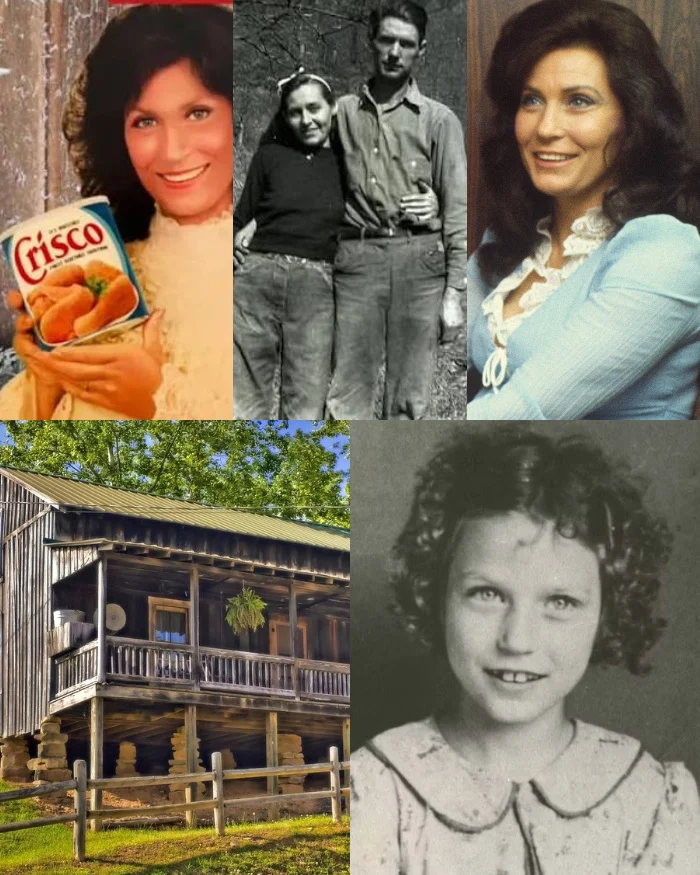
The table that shaped Loretta Lynn was never fancy. In Butcher Holler, holidays did not bring wrapped gifts or roasted turkey. They brought the same humble meal as any ordinary day, baked biscuits, brown gravy, pinto beans, and cornbread.
Her father, Ted Webb, worked the Van Lear coal mines and received company scrip instead of real wages. That paper money only had value at the company store, so the family remained trapped in a cycle of debt.
For the Webb children, the real celebration was relief. The mine whistle did not blow, and their father stayed home. They bowed their heads over a meager table and treasured being together.
That empty table became the root of a country music legend’s greatest love language.
Filling plates was how Loretta healed the hungry little girl she once was.
Years later, after fame changed everything, Loretta bought the sprawling Hurricane Mills estate in Tennessee. She did not build a flashy celebrity dining hall. She built a massive country kitchen.
She could wear a sequined gown to accept a music award one night and tie on a flour dusted apron the next morning. The kitchen kept her anchored to the coal miner’s daughter she had always been.
Knowing the sharp pain of an empty stomach, she fed her children, her bandmates, road weary musicians, and anyone who walked through her doors. She proudly became the face of Crisco and published her 2004 cookbook, You’re Cookin’ It Country.
By turning Appalachian survival food into a proud Southern legacy, Loretta proved that gold records could never erase Butcher Holler. Her truest stage remained the kitchen, where every plate told the story of resilience, love, and belonging.