
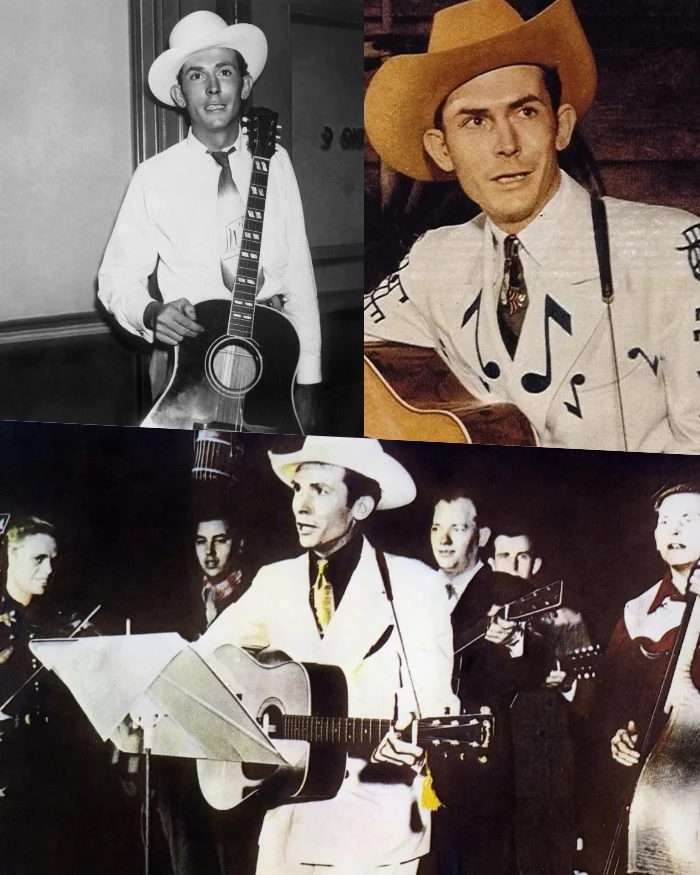
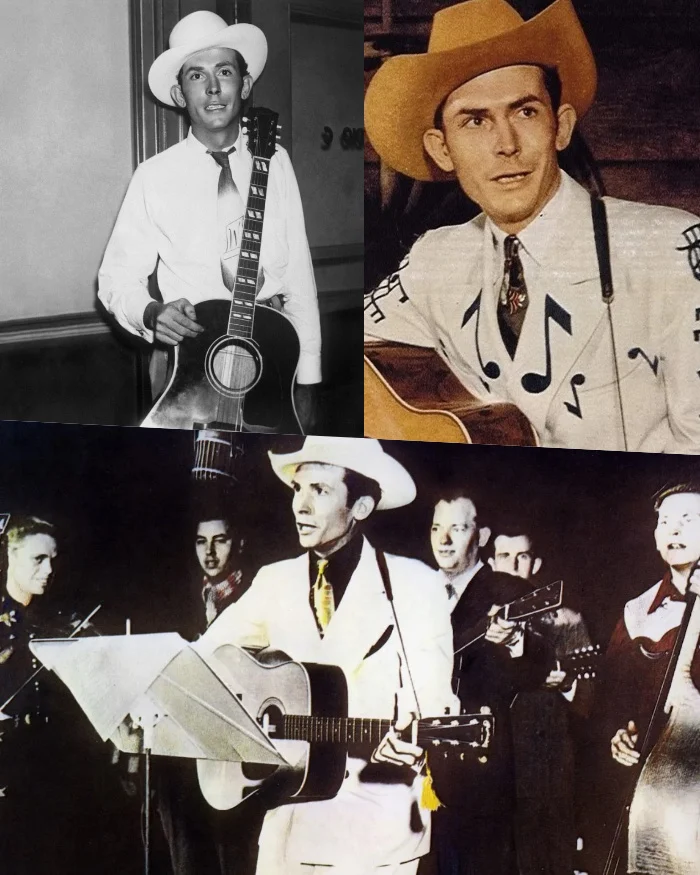
Tears welled in the shadows of the Ryman Auditorium as a frail young man stepped out of the spotlight and into a future he had been chasing since childhood. Moments earlier, the crowd had refused to let live radio move on. Hats flew through the sweltering June air. The WSM broadcast lost its schedule. Producers sent him back to the microphone again and again. By the time he finally reached the wings on June 11, 1949, Hank Williams had done more than survive the Grand Ole Opry. He had conquered it.
That triumph was not supposed to happen. Three years earlier, the Nashville institution had turned away the twenty-five-year-old singer from Alabama. Opry management saw his songwriting gift but feared his drinking, his unpredictability, and his troubled reputation. So Williams built his own road back. He drew huge crowds on the Louisiana Hayride and cut a record the industry could no longer ignore.
That record was Lovesick Blues. It was not his own composition. It was an old show tune that he tore apart and rebuilt with a sharp rhythmic yodel that sounded like heartbreak breaking through the radio. When he finally earned his Opry debut, the pews of the Ryman were packed with working-class listeners hungry for the raw truth of the honky-tonks.
The crowd did not care about the clock. They stood, screamed, and threw their hats into the air
Behind the curtain, Williams carried a destitute childhood and the chronic ache of spina bifida occulta. The Ryman was sweltering in June. Thousands of bodies filled the un-air-conditioned brick building. Sweat soaked his western suit as Red Foley introduced him. Then adrenaline pushed the pain aside. He leaned into the microphone and his voice broke with its signature sorrowful sob. The audience heard a man who sounded exactly like the struggles they had lived through.
Live radio in the 1940s ran on strict and unforgiving schedules. The Ryman audience did not. When Williams finished Lovesick Blues, the applause was so deafening that the WSM broadcast could not continue. Producers had no choice but to send him back out to calm the room. He delivered an unprecedented six encores of the same song.
When he finally retreated to the wings, tears came in the quiet of backstage. The shoeshine boy from Georgiana, Alabama, walked out of the Ryman as the biggest star in country music. But that sudden coronation opened a grueling new chapter. Over the next three years, box office demand skyrocketed and industry pressure became insatiable. He formed the Drifting Cowboys and hit the highway in a heavy Packard sedan, often driving hundreds of miles to play multiple shows in a single day. To survive the punishing pace while wearing a rigid steel-and-leather back brace, Williams leaned heavily on alcohol and painkillers. That coping mechanism fueled his rapid physical decline and led to his tragic dismissal in August 1952 from the very institution he had just conquered.
Yet on that June night in 1949, the tragic end was still waiting in the distance. In that moment there was only triumph. A frail young man had forced the musical establishment to listen. His backstage tears were the release of a lifetime spent knocking on locked doors, fighting past poverty, physical pain, and industry rejection.
The Grand Ole Opry had demanded perfection. Hank Williams gave them the unpolished truth. He did not just sing a song that night. He took ownership of the genre and left a permanent echo in the Ryman Auditorium that still refuses to fade.