
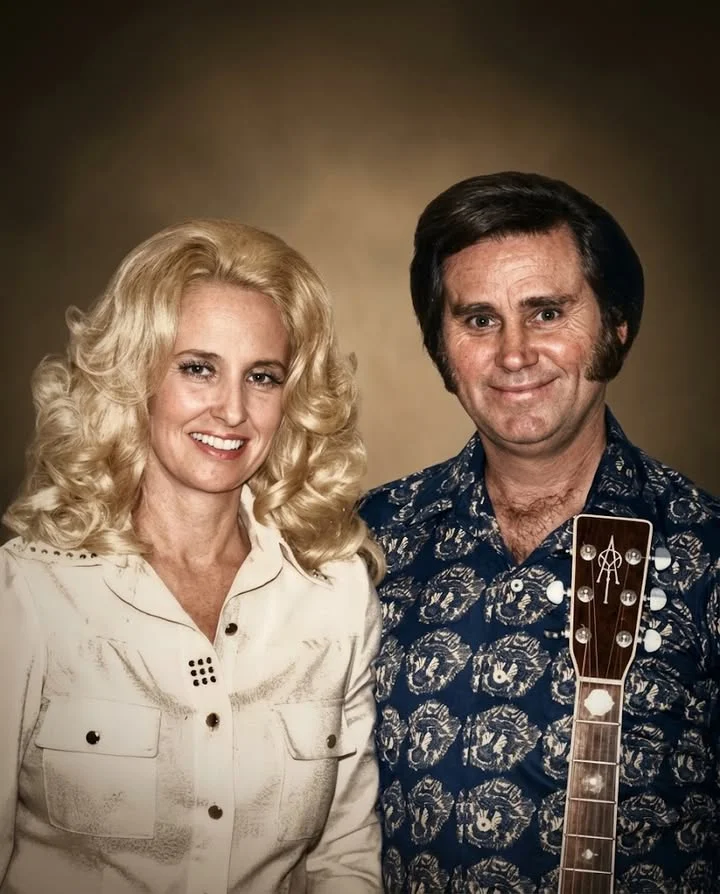
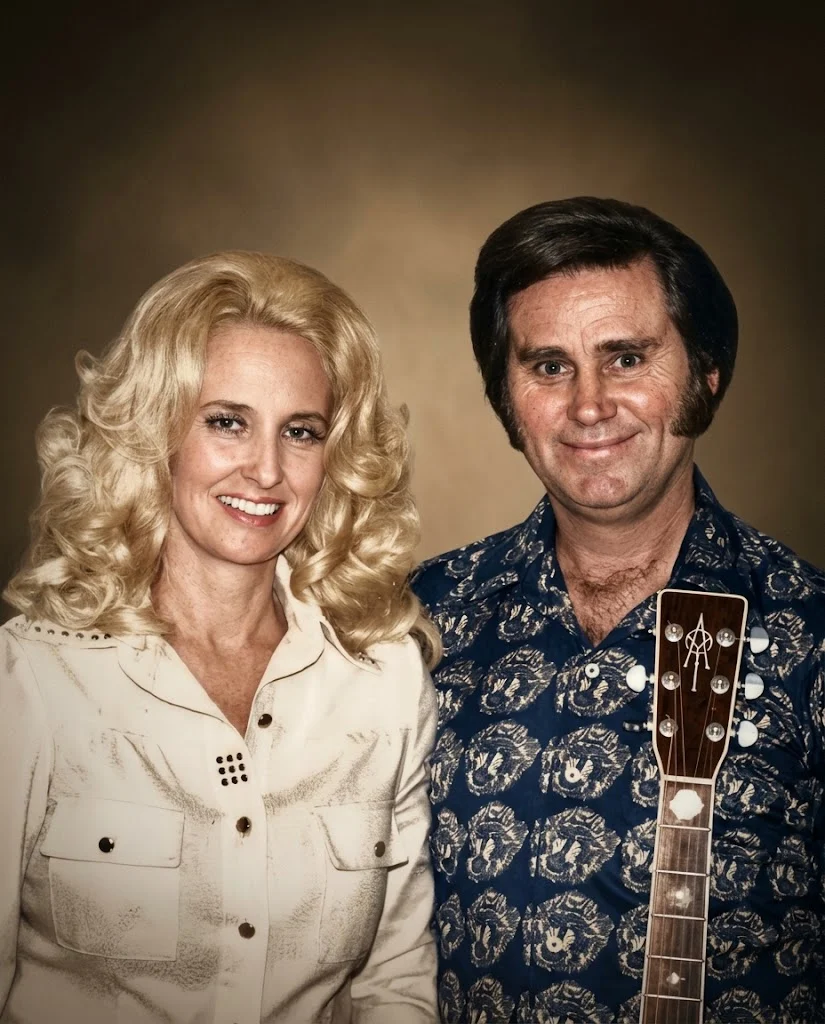
George Jones once called the song too morbid to sell. Decades later it became the final farewell sung over his own grave.
At the Grand Ole Opry House on May 2 2013, the country music world gathered to mourn a voice that had carried heartbreak for generations. George Jones had died at age 81. Alan Jackson stepped forward and sang “He Stopped Loving Her Today.” In that moment the lyrics stopped being fiction. They became a eulogy for the broken singer who had saved himself by singing them.
The story began in the late 1970s when Jones entered the CBS Records studio in Nashville as a man unraveling. He was bankrupt. He was battling severe addiction. His divorce from Tammy Wynette had torn him apart. He was missing shows, facing lawsuits, and sometimes sleeping in his car. The industry had already branded him “No Show Jones.”
Producer Billy Sherrill handed him a song written by Bobby Braddock and Curly Putman. It told of a man who loved a woman until death. Jones hated it. He thought the melody was morbid and too heavy for radio. He bet Sherrill a hundred dollars that nobody would ever buy it.
The recording sessions became a painful test of endurance. Jones was so worn down that he could barely stand in the vocal booth. He often confused the melody with Kris Kristofferson’s “Help Me Make It Through the Night.” Sherrill had to capture him phrase by phrase, take by take, over eighteen agonizing months.
The final vocal was not one perfect performance. It was a stitched together portrait of pain. Sherrill reviewed countless ruined takes and spliced small sections of analog tape until the fragments formed a voice that sounded like confession. The spoken section felt less like singing and more like a man speaking at a graveside.
When the record was released in April 1980, it changed everything. “He Stopped Loving Her Today” rose to the top of the charts and ended a six-year drought for Jones. It swept the Country Music Association Awards and earned a Grammy. It resurrected a career that many had written off.
He later admitted the three-minute song had saved his life.
That admission carries more weight because the song was not only about devotion. It was about survival. A man who had lost his grip on his own reality found strength in a character who loved until his heart stopped beating.
The record remains a monument to love that survives to the absolute end. It also reveals the quiet miracle inside the studio. A wounded singer and a patient producer turned broken tape into a masterpiece that would outlive them both.