
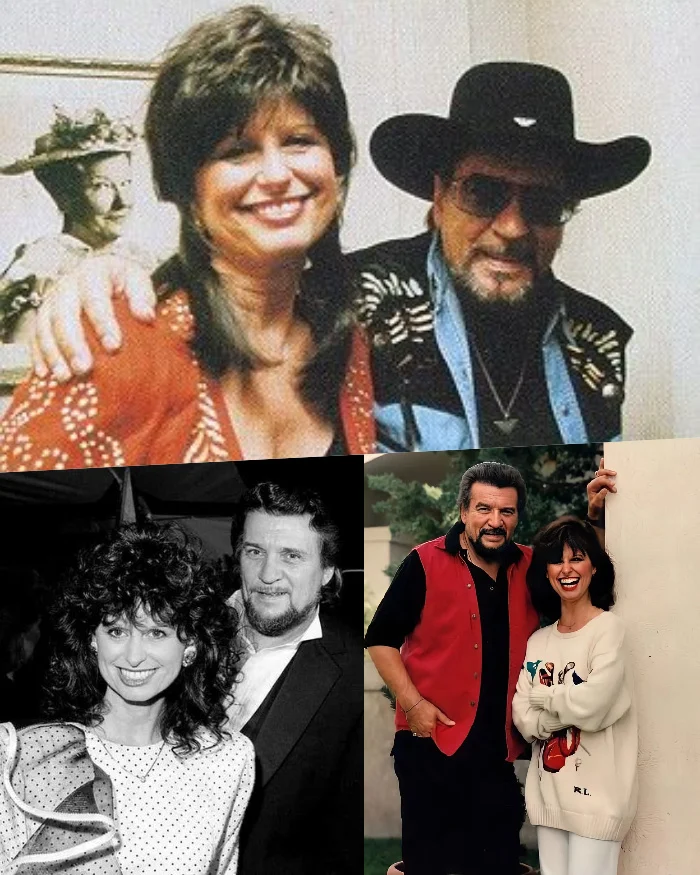
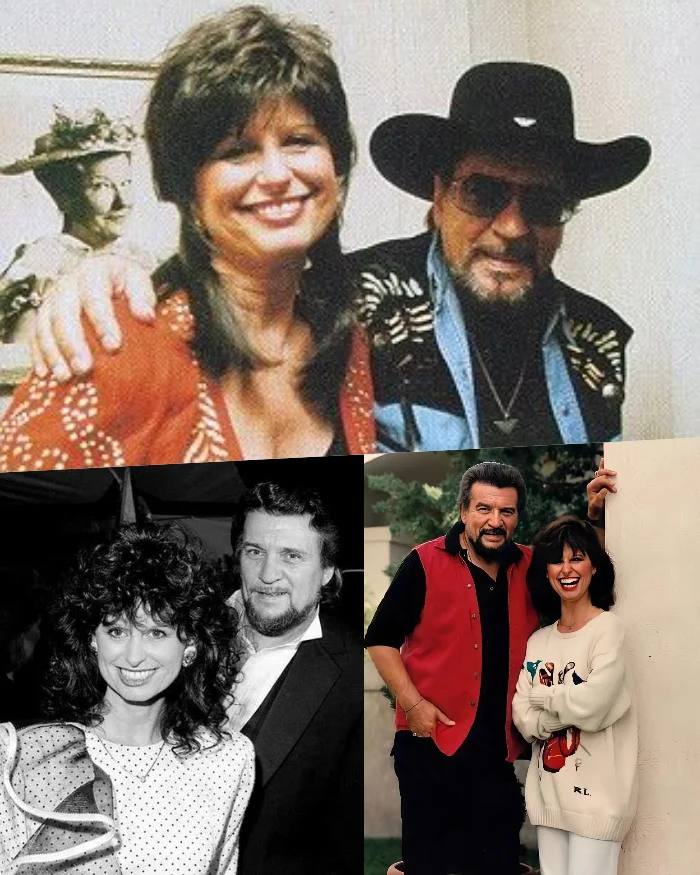
At the peak of the Outlaw frenzy, Waylon Jennings found the calmest room in his life on a stage beside his wife.
That unlikely refuge grew out of a 1976 release that changed country music and the Jennings household at the same time. RCA Records issued Wanted! The Outlaws with a cover designed like a 19th-century fugitive poster, a bold wink at the rebel image surrounding Waylon Jennings, Willie Nelson, Tompall Glaser and Jessi Colter. Buyers responded fast. The RIAA certified the collection platinum for sales of one million copies, making it the first platinum album in country music history.
For Colter, the project carried extra weight. She was the only woman on the album, and she held her ground in a movement often framed as a boys’ club. Her clear, deep vocal tone gave Waylon’s weathered baritone the balance it needed. She was not a guest in his story. She was a star in her own right, with solo success such as I’m Not Lisa proving she could command a crowd without standing in anyone’s shadow.
The record made the Outlaw sound a commercial force and gave the couple a professional reason to share the same road.
Before that breakthrough, country touring was a grinding machine. Artists often spent more than two hundred days a year moving between distant venues, and the isolation strained marriages and family life. The platinum success of Wanted! The Outlaws changed the logistics for Waylon and Jessi. Because Colter was central to the album’s appeal, the couple could merge their careers and travel together.
They began playing the same arenas and stepping onto the same stages night after night. The tours were chaotic. Waylon had risen from working musician to stadium headliner, and the road brought deafening crowds, intense media attention and an exhausting pace. His substance dependency made those years even more volatile.
Jessi was the steady counterweight. She was not waiting in the wings while her husband worked. She was a major draw, and their contrast made the shows dynamic. Waylon brought a heavy, bass-driven and unpolished sound with rock energy. Jessi offered haunting piano melodies and a clear, resonant voice that met his weathered baritone.
The duets became a sanctuary. When they stood at the microphone together for songs such as their reimagined Suspicious Minds, the frenzy of fame faded for a few minutes. Managers, reporters and record executives could not interrupt them there. In an industry that often isolated its biggest stars, the spotlight became a private place to communicate.
Through the erratic behavior and the grueling travel, Jessi remained the steady force that anchored Waylon to reality.
Waylon later described the height of his Outlaw fame as a period of deep personal struggle, even self-destruction. Yet his wife stayed beside him as the pressure to maintain his rebellious image grew. They continued to record and tour together for decades, and their duets often reflected their real lives by acknowledging hardship while affirming commitment.
The Outlaw era is remembered for defiance, loud guitars and a rejection of Nashville’s polite rules. At its center, its biggest star found stability by making sure his wife stood right beside him. When the tour buses rolled out behind a million-selling record, a husband and wife were finally traveling down the same road.