
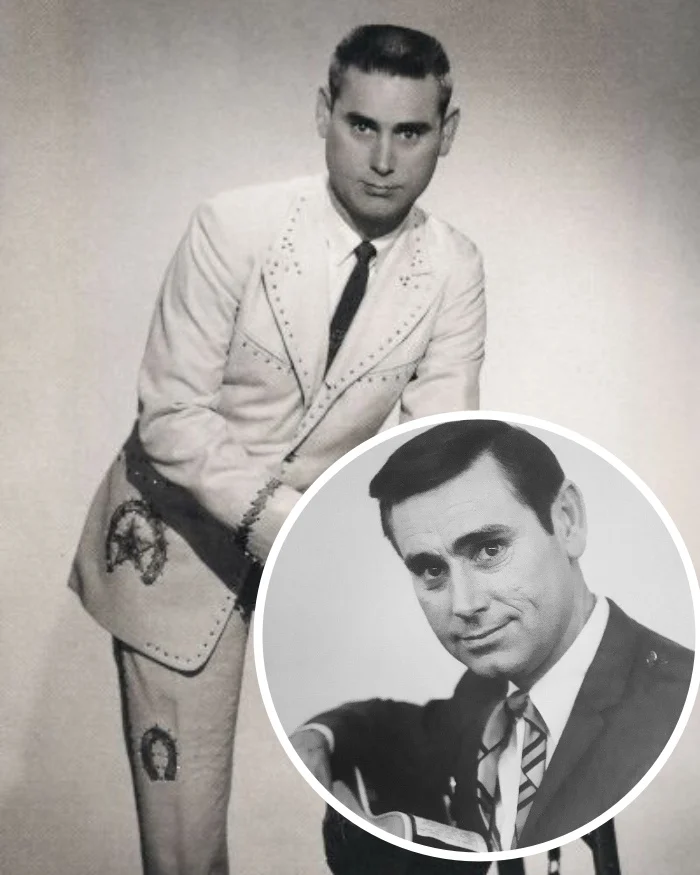
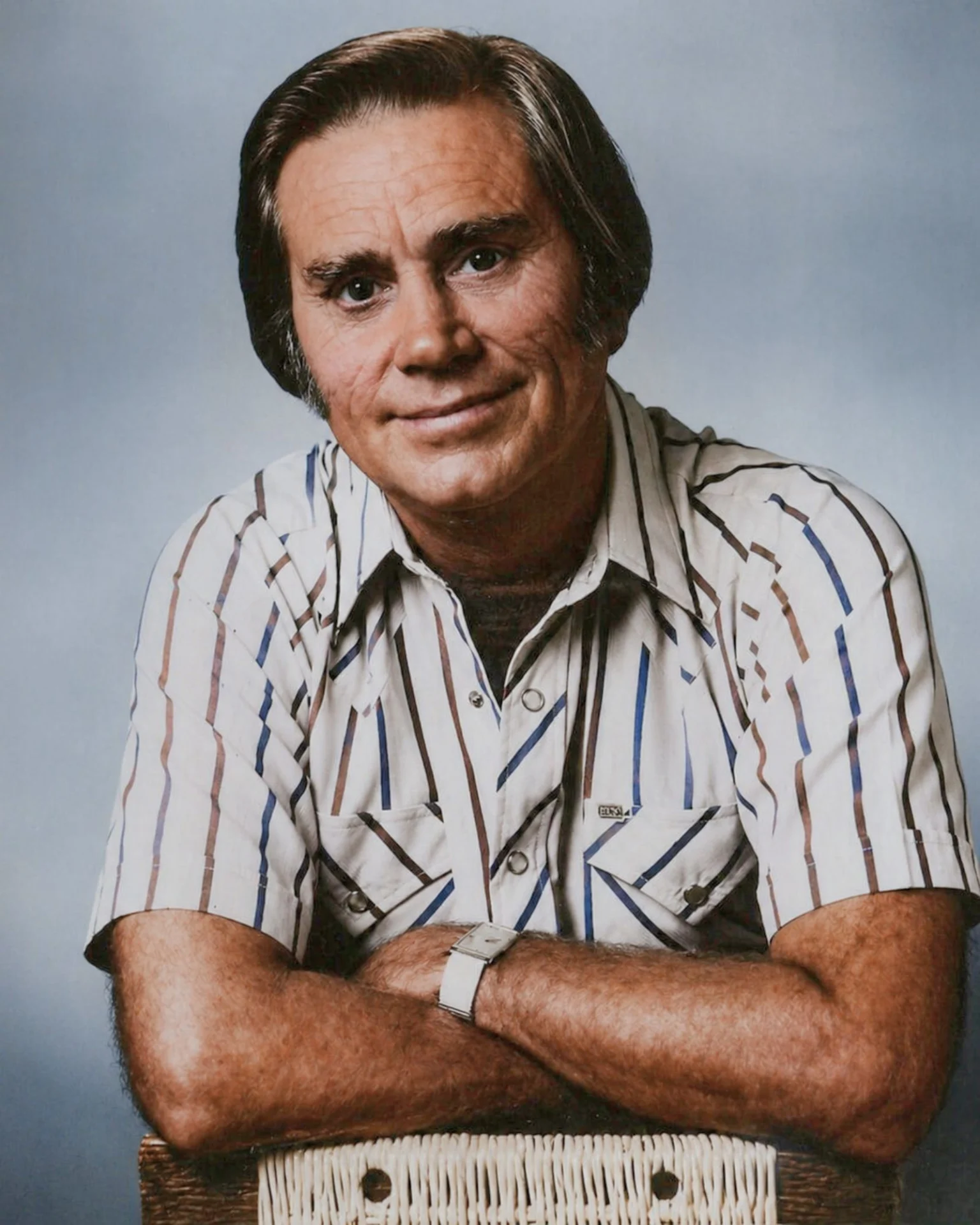
On an April night in 2013, the Grand Ole Opry fell into a hush that felt almost holy.
George Jones stood inside the wooden circle at center stage, his silver hair catching the lights, his hands steady on the microphone. No one in the crowd knew they were hearing him for the last time. Within weeks he would be gone.
He did not offer a grand farewell. He gave the people what he had always given them, a piece of his soul set to three chords. The man often called the greatest country singer of all time had spent decades turning heartbreak into something you could hold.
But the song that became his masterpiece had once been a song he refused to record. For more than a year George Jones fought his producer over ‘He Stopped Loving Her Today’. He was certain the track was too dark to ever become a hit. What finally happened in that Nashville studio remains one of the strangest stories in Music Row history. The world now knows the song as the gold standard of country music.
Waylon Jennings once said something that still cuts to the truth of the man.
If we could all sound like we wanted to, we’d all sound like George Jones
It was not about power or range, though he had both in spades. It was about the way he could slide into a note and find the bruise underneath it. He carried the history of country music in the grain of his voice. He had seen the highs of the charts and the lows of the lawnmower stories. He had survived his own demons, earned the nickname No Show Jones, and eventually found his way back to the light.
In those final moments under the Opry lights, the air seemed to thin out. He did not need pyrotechnics or flashy production. He needed a melody and the truth. When he sang, the crowd did not cheer. They leaned in. They held their breath as if loud breathing might break the spell he was weaving.
There is a specific kind of silence that only follows a George Jones song. It is the silence of people realizing they are not alone in their regrets. He sang for the man in the back row who could not find the words to apologize to his wife. He sang for the woman who still smelled old cologne on a jacket in the closet.
That night he performed with the dignity of a man who knew his work was nearly finished. He did not make a grand speech about his legacy or offer a tearful goodbye. He simply gave the people what he had always given them. He walked off the stage, and the lights dimmed on an era that will never be replicated.
Now the silence he left behind is filled by the records he left in his wake. You can still hear him in the hum of a neon sign or the crackle of a distant radio. The voice is still there, navigating the turns of a heartbreak with the precision of a surgeon and the heart of a poet.
The stage at the Opry is still there, and the circle is still cut into the floor. But a certain resonance left the building that night in April. We are left with the echoes, the static, and the stories told in the dark.
The charts may forget, but the jukeboxes never do
He finally stopped loving her today, but the world never found a way to stop loving him.