

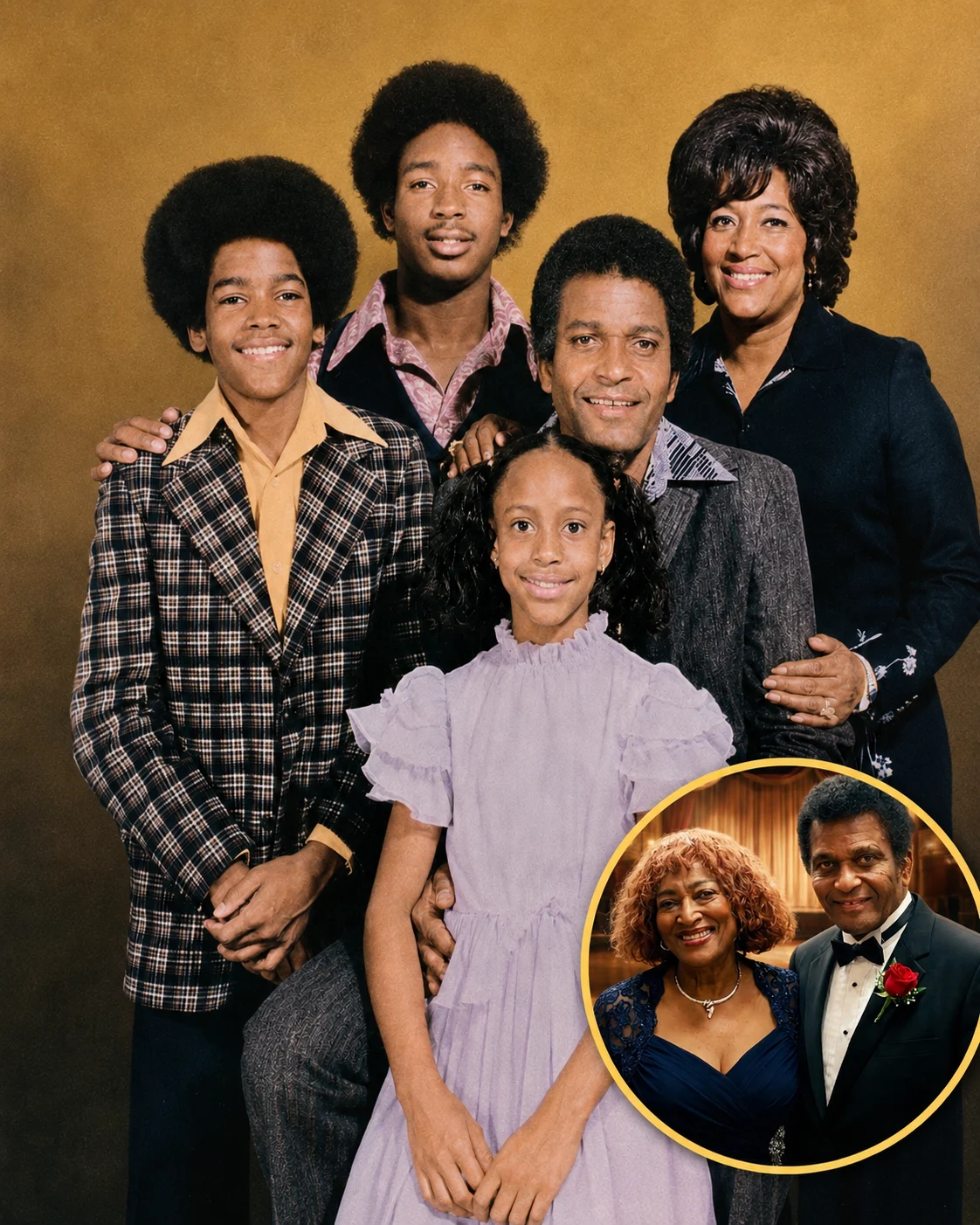
Before Charley Pride carried country music into stadiums and record shops around the world, a quieter woman held his life together at home.
Rozene Pride raised Kraig, Dion, and Angela through the social storms of the 1950s and 1960s while her husband chased a low-paying baseball career in the Negro American League. She stretched tiny paychecks, softened racial prejudice at the front door, and gave him the room he needed to keep pitching.
When Charley left the mound for the uncertain path of a Black country singer, she did not flinch. He worked at a lead smelting plant in Montana, sang in local clubs after dark, and later moved toward Nashville with more risk than promise. Rozene remained the steady anchor behind every move.
His voice crossed barriers. It helped him earn twenty-nine number-one hits, Country Music Association Entertainer of the Year recognition, and a place in the Country Music Hall of Fame. The public saw a smooth baritone under bright lights. It rarely saw the woman who made that stage possible.
As fame arrived in the late 1960s, the family went from counting pennies to navigating international attention. Rozene stepped into the pressure with discipline. She reviewed major label contracts, organized complex logistics, and vetted grueling tour schedules so an industry known for exploiting new stars could not take advantage of his sudden success.
She attended parent-teacher meetings, managed childhood illnesses, and carried daily household decisions alone. She never turned his long absences into resentment. Instead, she protected a private world where Charley could return as a husband and father rather than a symbol.
She gave him an ordinary place to go home to.
Their marriage lasted sixty-four years, outlasting the executives and promoters who doubted a Black man could sell country records. Today, gold and platinum albums and Hall of Fame honors preserve Charley’s public history.
Yet the deepest chapter belongs to Rozene. Her greatest legacy did not hang in a museum. It lived in the stable, grounded lives of three children and in the quiet strength that helped one of country music’s biggest barriers finally fall.