
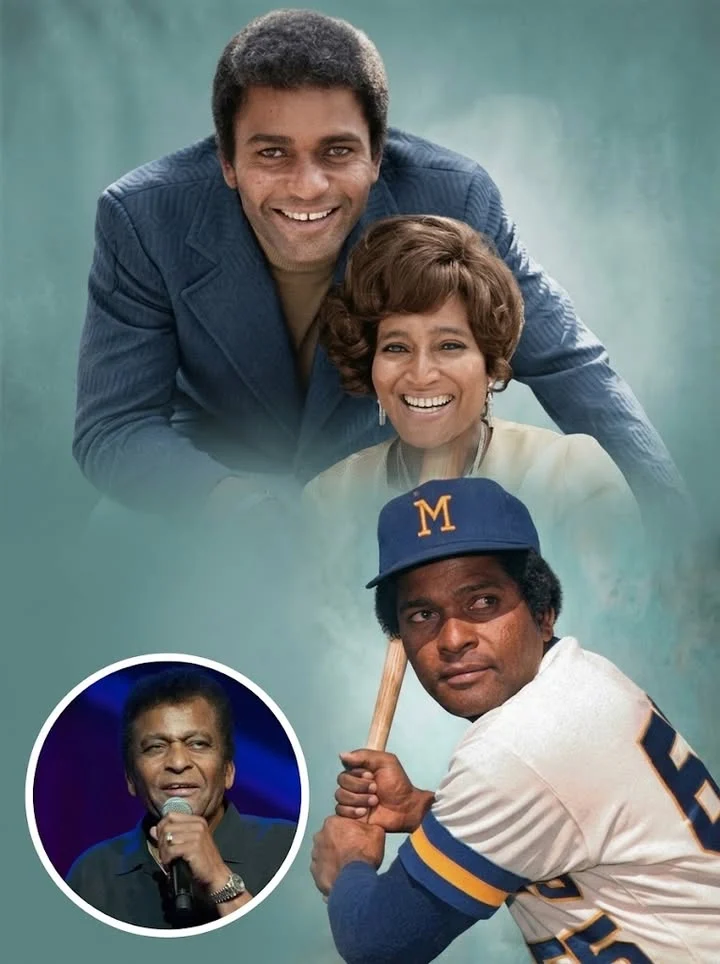
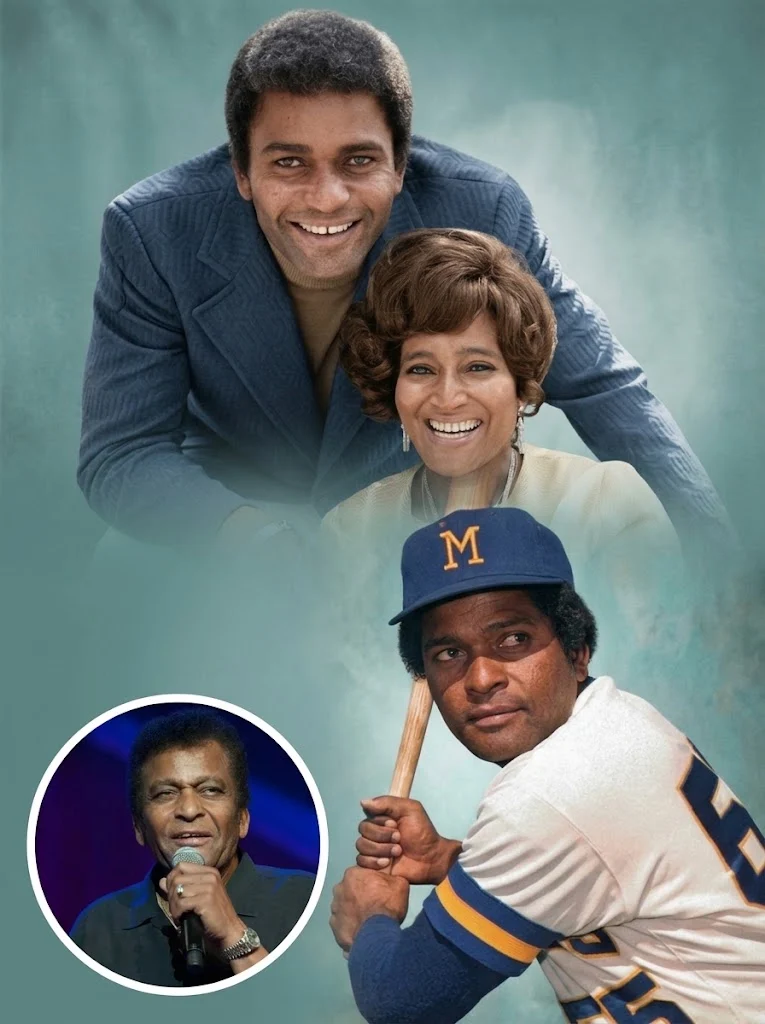
Long before Nashville knew his name, a chain-link fence and a dugout hum set the stage for one of the longest partnerships in country music.
Charley Pride was twenty-two years old in 1956 when he threw fastballs for the Memphis Red Sox in the Negro American League. He carried the hope of a Mississippi sharecropper family and chased a major-league dream before he ever chased a recording contract.
Rozene Cohran arrived in that same Memphis summer as a hardworking cosmetologist who ran her own styling work. She watched him at Martin Stadium and the two spoke through the chain-link fence along the third-base line. Their talk moved through pitching drills, bus-travel budgets, and the uneasy future facing a young Black athlete in that era.
She saw his calloused hands and steady character. He showed her a quieter side after long Southern doubleheaders, humming Hank Williams songs on the dugout bench. They married in December 1956 in a simple ceremony and made a promise that would hold through sixty-four years.
When arm strain ended his baseball path, Rozene stayed beside him through the hard turn. In 1960 the couple moved to Helena, Montana, where Charley worked at the Asarco lead-smelting plant and sang in local honky-tonks while still playing semi-pro baseball.
Rozene balanced budgets from her cosmetology work and managed the family calendar as their young children grew. She steadied him when club owners began paying extra for his singing between innings and nudged him toward Nashville auditions.
She believed in his voice long before radio stations knew his name.
That belief helped carry him to the moment when producer Chet Atkins signed him to RCA Victor in the mid-1960s. As the first Black superstar in modern country music, Charley faced intense scrutiny in a divided nation, yet Rozene kept their personal life grounded in discipline and trust.
She organized travel plans and household finances while their Dallas home remained a quiet refuge. He earned fifty-two top-ten hits, twenty-nine number-one singles, and three Grammy Awards, while their marriage remained a steady foundation behind the spotlight.
When Charley entered the Country Music Hall of Fame in 2000, he lifted the light toward the woman who had stood by that Memphis dugout fence when they owned little more than a dream. He died in December 2020 at age eighty-six, ending a partnership that began in a ballpark and lasted sixty-four years.
The world remembers his rich baritone and the doors he opened for later artists. The deeper story begins with Rozene Cohran and a young pitcher who learned that loyalty could be the first melody in a legendary life.