
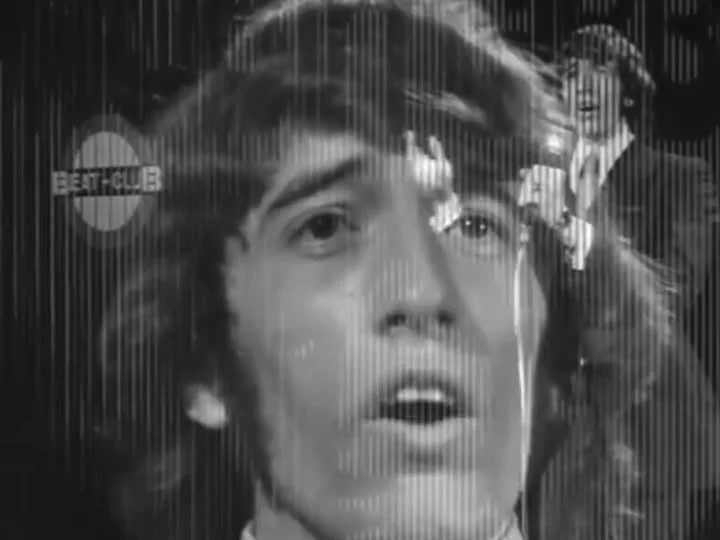
The late 1960s felt less like a decade ending and more like a fever breaking. The bright optimism of 1967 had curdled into something darker. The Bee Gees were experiencing their own private fracture. In early 1969 Robin Gibb stood apart from his brothers in a recording studio. Barry Gibb won the creative battle over the Odessa album. Robin’s track Lamplight was pushed to the B side. Saved By The Bell was the result. It was a declaration of independence. The song operates as a miniature operetta steeped in a gorgeous theatrical melancholy that only Robin could create.
The arrangement is a key part of the magic. A pioneering drum machine gives the track a ticking mechanical heartbeat. The strings sweep in with cinematic force. Kenny Clayton and Zack Lawrence handled the orchestral arrangements. Maurice Gibb added grounding piano and organ. The acoustic guitar sits deep in the mix.
Robin’s voice is the central character of the drama. He sings at the highest edge of his register. His wide vibrato turns every note into a moment of high tension. The lyric describes a preacher and a walk down an aisle. The bell rings and provides the escape. It is a perfect metaphor for his artistic independence from the group.
It captures the exhausted relief of an ending that is both painful and necessary.
I first heard the song on a crackling AM radio late one night years ago. The static age of the recording made the sadness feel deeper. The clean digital version later revealed the true layered textures of the arrangement. The song remains a perfect companion for a late rainy evening. It feels like the moment after a difficult decision is finally complete.
The single was a massive success across Europe. It reached number two in the United Kingdom. It paved the way for the 1970 solo album Robin’s Reign. American listeners were slower to embrace this pure baroque sound. Despite this the track endures as a masterclass in musical economy. Robin Gibb proved he could stand entirely alone. His legacy as a baroque pop auteur is perfectly captured in this one moment of vulnerability. The follow up album Sing Slowly Sisters was started but never finished. This body of work born from a single moment of fraternal tension still retains the power to pull a listener into its orbit.
For listeners who want more of this sound the Bee Gees I Started a Joke is a natural companion. The Left Banke Walk Away Renée is a lush essential baroque pop touchstone. Scott Walker Joanna offers a grand cinematic string arrangement. Procol Harum A Whiter Shade of Pale mixes classical organ with dramatic lyricism. Barry Gibb In the Morning adds a parallel view from a Bee Gees brother. Gene Pitney Something’s Gotten Hold of My Heart shares the same powerful theatrical vocal quality.