
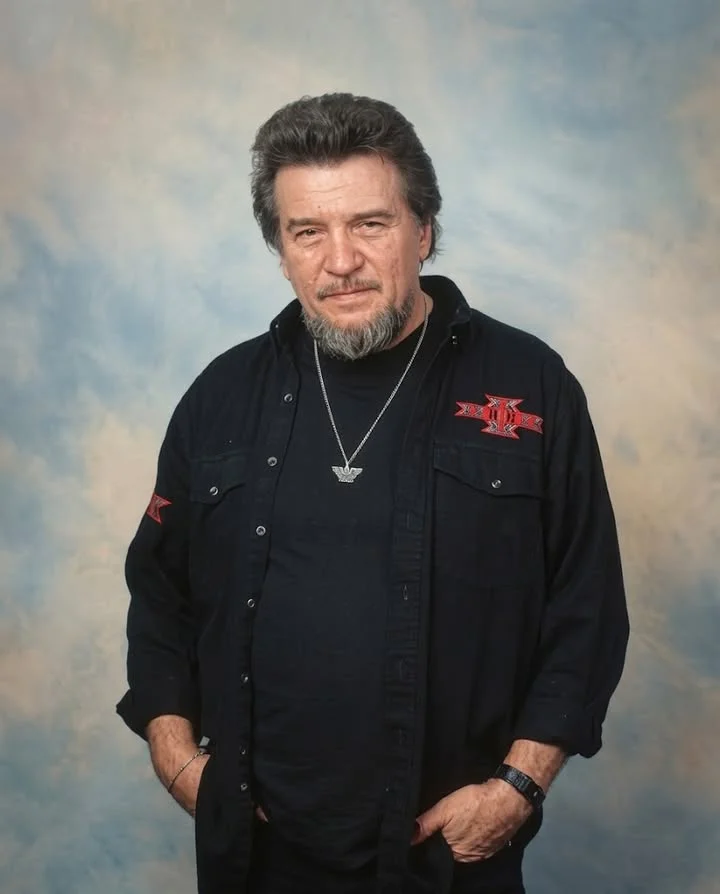
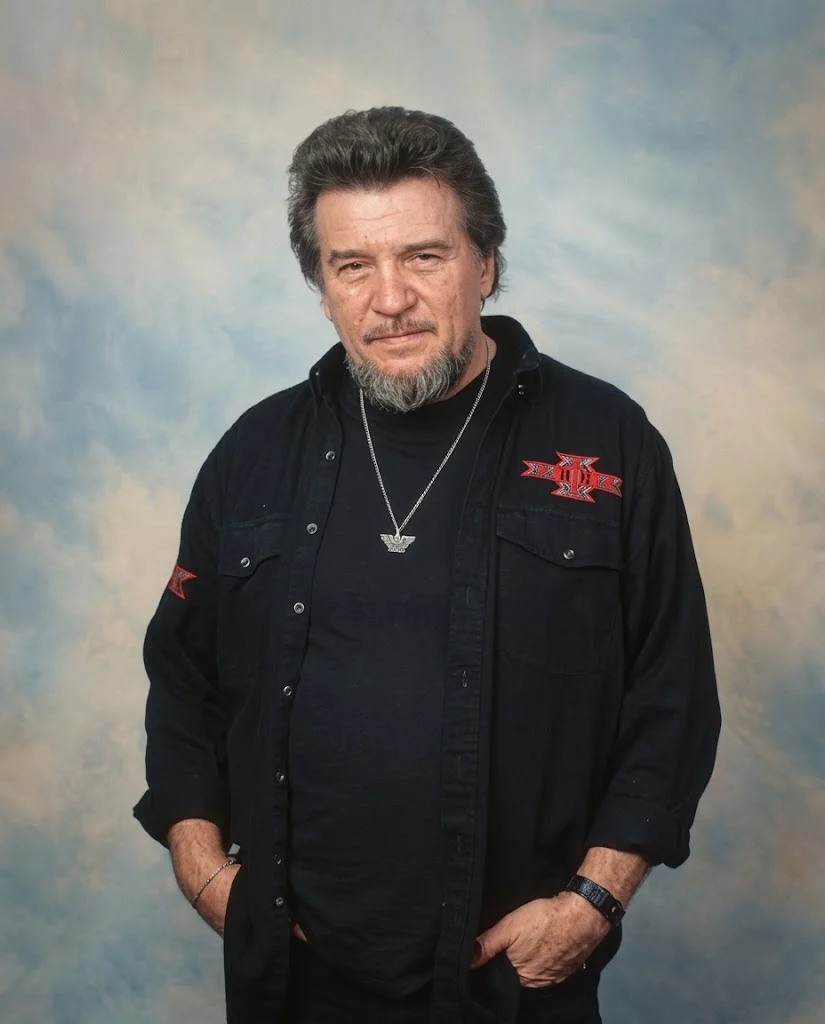
Waylon Jennings walked out of a Nashville studio and put his career and family’s livelihood on the table. The Texas singer had been trying to breathe under the polished weight of a music machine that wanted him to sound safe, smooth and easy to sell.
He was not chasing legend status. He was trying to keep his voice, his band and his life from being swallowed by the assembly line.
In the early 1970s, RCA Records and the Nashville establishment controlled recordings with a firm hand. The studio formula paired artists with the celebrated session crew known as the A Team and sweetened tracks with strings, choirs and crossover polish. For a singer whose voice carried the grit of honky tonk bars and long highways, that system felt like a slow suffocation.
Jennings made a demand that could have ended him. He wanted to choose his own songs, record with his touring band The Waylors and keep the sound raw. In a town where many vocalists were expected to arrive, read sheet music and leave, that was a radical act.
The struggle behind closed doors was bitter. When label executives tried to dictate sessions, he could walk out. He eventually brought in the tough New York manager Neil Reshen to confront the company brass, and that pressure helped produce a groundbreaking 1972 contract that gave him creative control over his own records.
He refused to let his authentic spirit be compromised.
With that freedom, he recorded Honky Tonk Heroes in 1973. Instead of leaning on established Music Row writers, he filled the album with the bruised street level poetry of the then unknown Billy Joe Shaver. The sound was stripped down, heavy on bass and marked by the crying steel guitar of Ralph Mooney. It captured the road as it was, not as Nashville wanted it to appear.
The defiance changed the center of gravity in country music. Three years later, RCA packaged the rebellion in Wanted! The Outlaws, featuring Jennings, Willie Nelson, Tompall Glaser and his steadfast wife Jessi Colter. The album became country music’s first certified platinum record, selling more than a million copies and proving that unvarnished rebellion could reach far beyond the expectations of the establishment.
The victory came with a heavy cost. The Outlaw label that had been born as a search for freedom slowly hardened into a cage. The industry learned that rebellion could sell, and the authenticity Jennings had fought for began to be marketed back at him as a brand.
Behind the stadium stages and the famous brotherhood with Nelson lay a brutal cycle of touring, pain and addiction. Jennings developed a severe cocaine habit that reportedly cost him up to $1,500 a day. The chaos reached a public breaking point in 1977, when a DEA raid struck his recording studio and later fed into his song Don’t You Think This Outlaw Bit’s Done Got Out of Hand.
Through those dark nights, Jessi Colter remained his anchor. While the public saw a renegade hero living out his songs, she witnessed the toll the image demanded and offered loyalty when the machinery of fame had become a destructive loop.
Jennings finally confronted the cost he had spent years trying to outrun. In 1984, he left the drugs cold turkey, renting a house in Arizona and isolating himself until he broke the habit.
His greatest triumph was not defeating Nashville. It was surviving the fire of his own rebellion.
He left a legacy that gave later artists the right to write their own songs, hire their own bands and protect their own sound. Waylon Jennings did not just change country music. He showed what it could cost, and what it could save.