
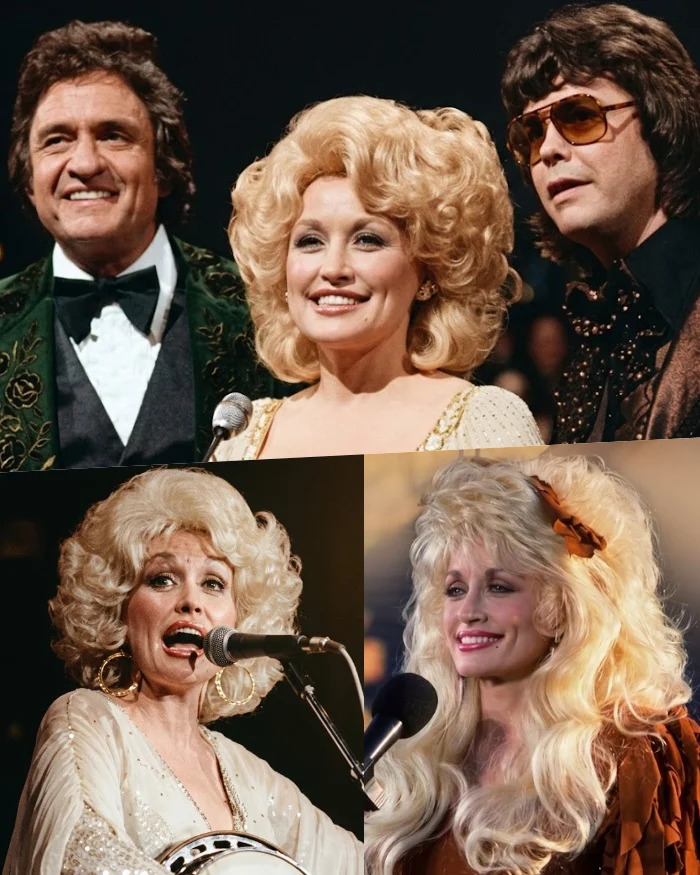
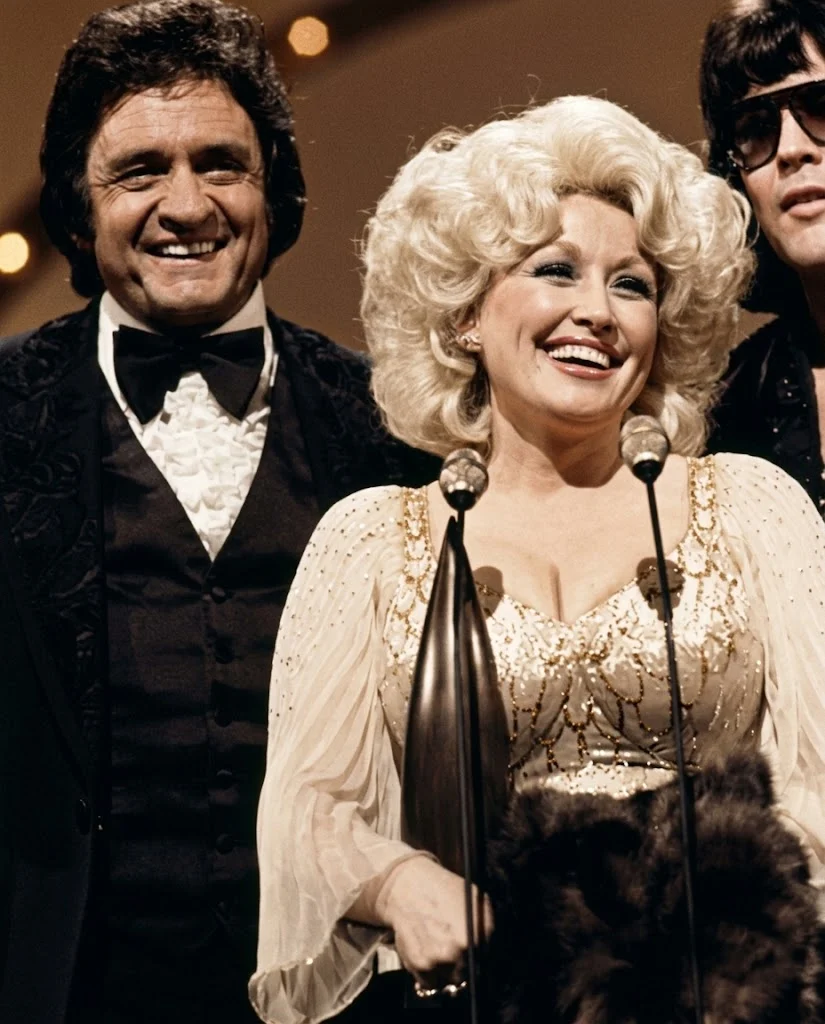
One sleepless night in 1974 nearly changed Dolly Parton’s fate forever. Elvis Presley wanted to record “I Will Always Love You,” and a single signature could have brought her fame, fortune, and a place beside the biggest star on earth. She chose her own voice instead.
That choice had roots far earlier, in the dusty optimism of 1964. Dolly stepped off a bus in Nashville after graduating from high school in Sevier County, carrying little money, a notebook of mountain songs, and a stubborn belief that she could belong in Music City. The industry she entered was controlled by executives who wanted young women polished, quiet, and predictable.
She arrived as a bright contradiction. Her towering blonde hair, vivid clothes, and bold mountain vibrato made her impossible to ignore. Producers gently pushed her toward a softer image, as if authenticity were a problem to solve.
Trust your instincts, stay true to who you are, and never let anyone rewrite your soul
Those words anchored her through the early struggle. Dolly became a household name while working with Porter Wagoner, yet she kept steering toward independence. In 1974, she wrote “Jolene” and “I Will Always Love You” on the same day, two songs that proved her emotional power and business instinct.
Elvis loved the ballad and arranged to record it. Colonel Tom Parker, his powerful manager, demanded half of the publishing rights before the session. For a rising songwriter, that ultimatum felt like a door to immortality with a hidden price.
Inside her home, the decision became painful. Losing half of a song written from her heart would mean surrendering a piece of her future. It also meant gaining worldwide exposure and a fortune most artists could barely imagine.
She remembered Cash’s backstage warning and the mountain girl who had come to Nashville with nothing but her own truth. The next morning, Dolly told Parker no. She walked away from the Elvis session and protected the song she had made.
Saying no to a massive payday became saying yes to her own ownership
Industry veterans thought she had made a mistake. Decades later, Whitney Houston’s 1992 version for The Bodyguard turned the ballad into a global phenomenon. Because Dolly kept full control of her publishing, the song later generated tens of millions of dollars in royalties and became one of the smartest business moves in music history.
She built an empire without changing her voice, her look, or her roots. She entered the Country Music Hall of Fame, championed literacy through the Imagination Library, and never stopped crediting the quiet encouragement that helped her anchor her courage.
For Dolly Parton, the story is not only about saying no to Elvis. It is about saying yes to herself, with the stubborn grace of a mountain girl who learned early that ownership of your own dream is the truest kind of success.