
The final hug never came
On April 24, 2020, Harold Reid died from kidney failure at eighty, and Staunton, Virginia, had to watch a beloved son leave without a crowded goodbye. The man whose bass voice had held generations together was gone, while masks and six foot distance turned grief into a quiet public ache.
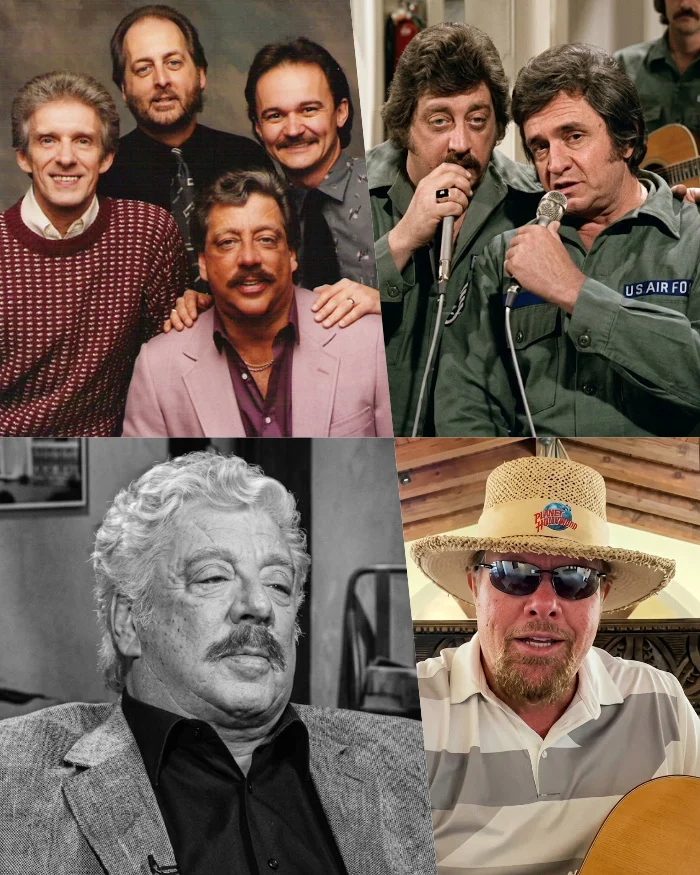
For nearly four decades, Harold stood as the warm comedic anchor and deep foundation of the Statler Brothers. He helped give them three Grammys, 33 Top 10 hits, and permanent places in the Country Music and Gospel Music Halls of Fame. Yet the brightest lights never pulled him away from the town where his story began.
He stayed in Staunton, Virginia, the same place where he and three childhood friends started singing gospel harmony in 1948. In a music business built on reinvention and relocation, he chose roots, loyalty, and the comfort of home.
He was a global superstar who simply wanted to go home
When a legend of that stature dies, fans usually fill streets and churches with hymns, handshakes, and shared memories. The spring of 2020 refused that grace. There was no packed funeral and no long line of mourners. The mayor placed a simple wreath at the downtown Statler Brothers monument, while family and city leaders stood apart behind masks.
It felt cruel. A man defined by warmth and connection had to be mourned through cold distance. His wife could not even receive the embrace her grieving town would have given her in any other year.
Still, music found a way through the static. Toby Keith, isolated in Mexico, picked up a cheap acoustic guitar from a furniture store and sang Flowers on the Wall into a phone screen. No stage lights. No audience. Just a raw tribute sent through quarantine.
Reba McEntire, Crystal Gayle, and the Oak Ridge Boys recorded memories from empty living rooms. A congressman entered Harold Reid into the Congressional Record. They could not gather, but they could not let his voice vanish either.
Harold Reid never needed a roaring crowd to prove his worth. He built a legacy on steady harmony, quiet loyalty, and simple truths. He never left home, and in the end, home grieved him from a painful distance.
Maybe his low notes still stand there, singing you back home