
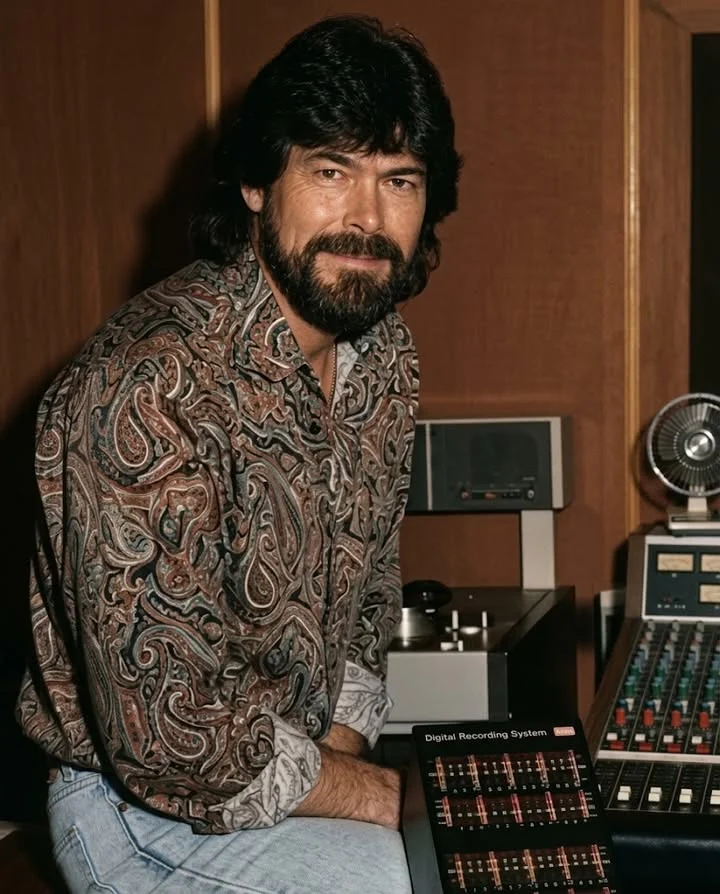
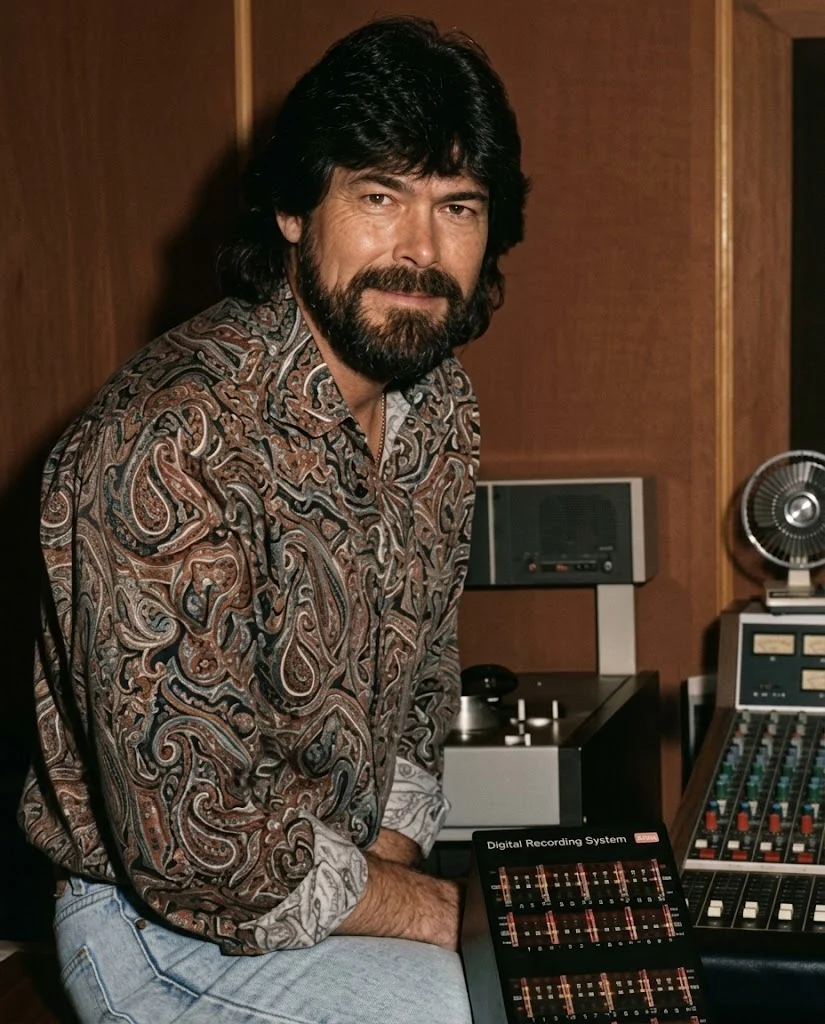
Randy Owen once filled arenas across America, yet a quiet promise made in 1989 became the true heartbeat of his life.
As the frontman of Alabama, he carried dozens of consecutive Number One hits and sold out massive stadiums through the 1980s. Behind the lights and awards, Danny Thomas, founder of St. Jude Children’s Research Hospital, asked Randy and his wife Kelly to rally country music around children facing life-threatening illnesses.
The couple answered without hesitation. They founded Country Cares for St. Jude Kids and helped turn Nashville artists, record labels, and radio stations into a nationwide movement.
Early planning sessions happened away from the spotlight. Randy and Kelly worked with station programmers and broadcast leaders, convincing them that local listeners would embrace real stories of survival and hope. Annual multi-day radiothons soon gave families airwaves filled with courage, compassion, and community.
By 2020, the campaign crossed more than one billion dollars. Those funds helped keep the founding pledge of St. Jude alive, ensuring no family receives a bill for treatment, travel, housing, or food.
The numbers were enormous, but the movement lived in private devotion. Away from cameras, Randy and Kelly spent long afternoons on hospital floors in Memphis, reading books, playing games, and holding hands with children undergoing chemotherapy.
When radiothon broadcasts stretched through the night, Kelly stayed at Randy’s side, managing schedules and handing him warm water as his voice grew thin.
Randy’s own battle with prostate cancer in the late 2000s deepened their commitment. Treatment and recovery gave him fresh empathy for families walking hospital corridors, and it strengthened their resolve to keep the annual campaigns going.
“The music made them household names, yet their work helped thousands of families find tomorrow.”
Formal honors followed, including the Danny Thomas Leadership Award. Inside the Owens’ home in Fort Payne, Alabama, the most treasured keepsakes are not platinum records. They are handwritten thank-you notes, small craft projects, and crayon drawings from children who survived.