
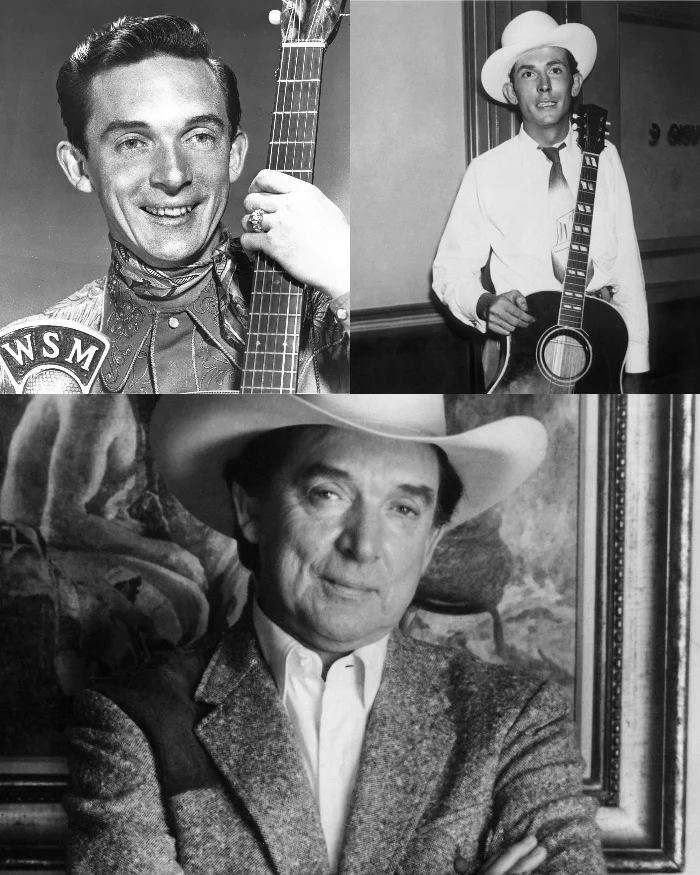
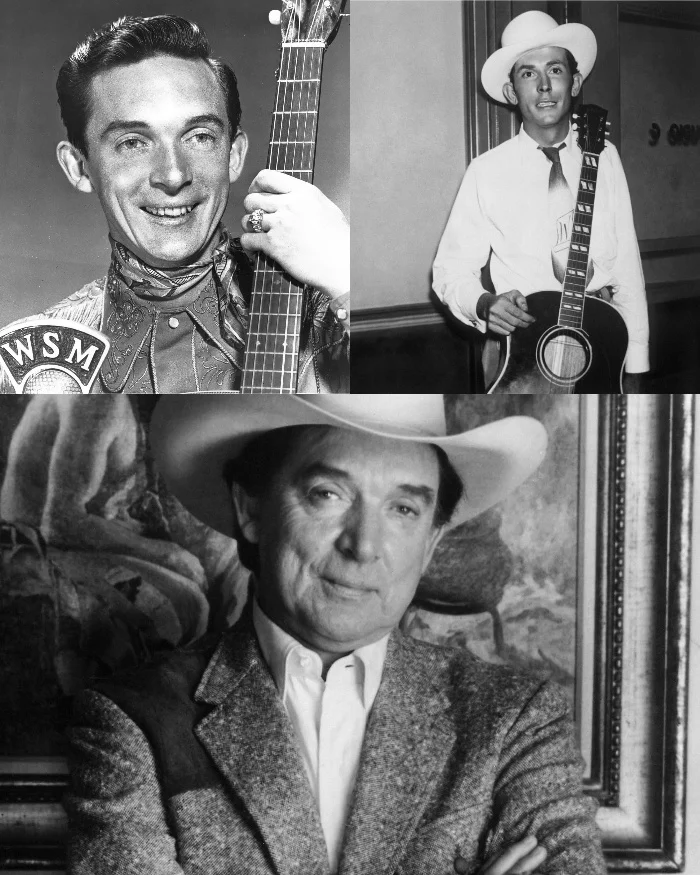
When Hank Williams died on New Year’s Day in 1953, the microphone did not fall silent in a vacuum. It fell into a stunned room, a grieving nation, and a band whose next paycheck suddenly looked like a broken promise.
The Drifting Cowboys had contracts, stages, and fans waiting across the country. At 29, Williams had left them stranded in the middle of a tour calendar that no one could fill. The loss was personal, professional, and terrifyingly immediate.
Ray Price did not leap at the chance. He had lived with Williams in a modest Nashville house, shared late-night writing sessions, and learned the fragile economics of country music beside him. When the band needed a frontman, Price stepped forward to protect the musicians, not to chase applause.
He walked into a shadow so thick it could almost be seen. Managers expected a replacement. Audiences expected a ghost. Night after night, Price wore similar suits, sang Williams’ biggest songs, and stood under lights that seemed to search past him for someone who would never return.
The crowd could cheer, but Price knew many eyes were looking through him, not at him.
His loyalty kept the Drifting Cowboys working through their hardest season. Yet the constant comparisons became a quiet cage. To keep imitating a legend would have been easy. To become a legend in his own right would require leaving the safety of another man’s memory.
Price chose the harder road. He formed the Cherokee Cowboys and began building a sound that belonged to him alone. He moved away from the weeping steel-guitar style that had wrapped his early years and pushed country music toward a smoother, driving groove.
With “Crazy Arms” in 1956, he introduced what became known as the “Ray Price Shuffle.” By shifting the traditional two-four honky-tonk beat into a four-four pulse carried by a walking electric bassline, he changed the way country music felt in the body.
The rhythm pulled dancers into a new motion and gave Nashville a modern architectural foundation. His band also became a proving ground, with Willie Nelson, Roger Miller, and Johnny Paycheck passing through and learning from a leader who had already survived the hardest test of all.
Ray Price could have been remembered only as the man who filled Hank Williams’ empty microphone. Instead, he honored his friend when loyalty demanded it, then refused to remain an echo. He built a legacy that stood on its own.