
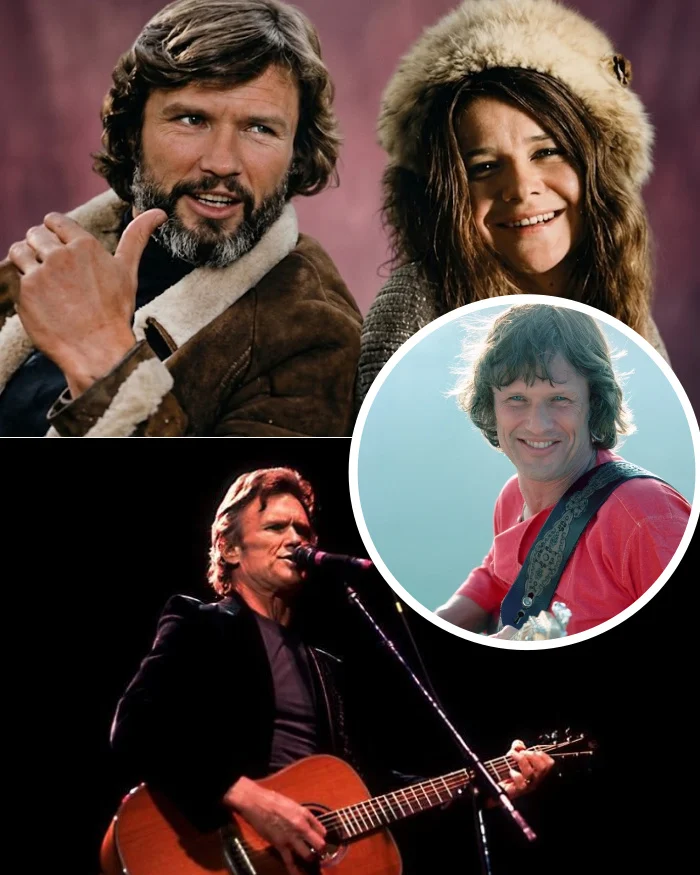
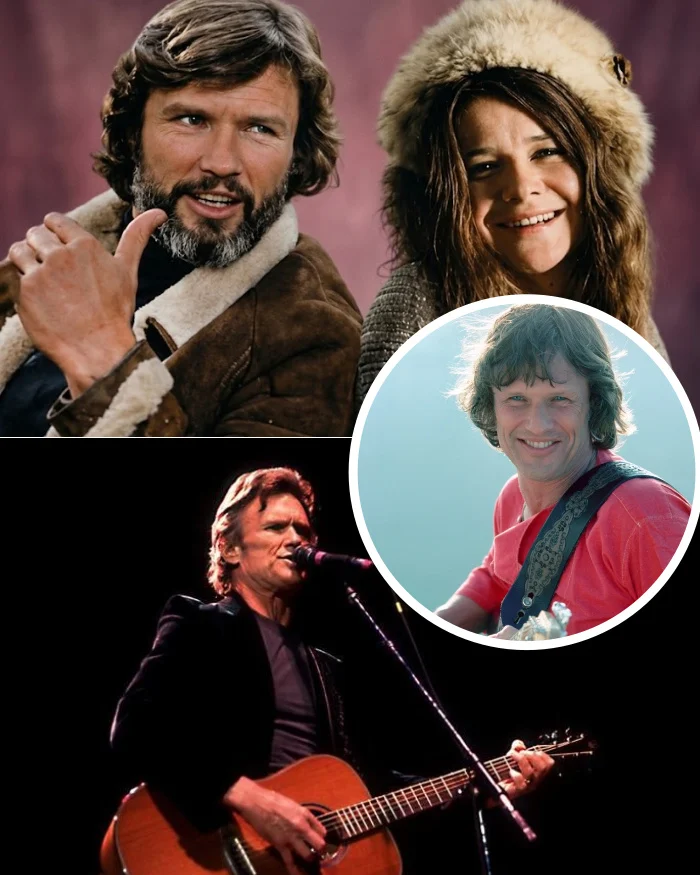
The office was quiet when producer Fred Foster threaded a reel to reel tape into the machine. The speakers filled with Janis Joplin’s raspy, burning voice, and Kris Kristofferson broke into tears. He was hearing the words he had written as a song about drifters and freedom, but the singer who had made them unforgettable was already gone.
In March 1971, her recording of Me and Bobby McGee from the album Pearl climbed to Number One on the Billboard Hot 100. Only the second time in American music history did a song reach that summit after the artist had died. The voice that carried the victory had been captured just days before Joplin was found dead in a Los Angeles hotel room in October 1970.
Kristofferson had never known she had chosen his song. He learned about it in Foster’s office, and the playback turned a professional moment into a private grief. The tape did not give him a chance to hear her laugh, argue, or explain why she had taken the melody. It gave him her voice without her body.
Freedom’s just another word for nothin’ left to lose / Nothin’, that’s all that Bobby left me, yeah.
Those lines became the emotional spine of a generation that understood freedom as the absence of attachments. The song follows two vagabonds hitchhiking through the American South, sharing the road and a brief, electric bond before California separates them. Kristofferson’s lyric made freedom sound beautiful, then showed the cost of having nothing left to lose.
The success changed his life instantly. A former military helicopter pilot who had once swept floors at Columbia Studios just to stay near music became one of the most recognized songwriters in the country. Fame, respect, and financial security arrived at the exact moment a close friend had vanished.
On the day the record topped the world charts, Kristofferson walked through the streets with no clear destination. The triumph felt haunted. The same melody that opened doors also pressed him to carry a loss he could not repair.
Joplin’s final studio work adds another layer to the story. She recorded the song at Sunset Sound Recorders in early fall 1970 with the Full Tilt Boogie Band. Guitarist John Till, pianist Richard Bell, and drummer Clark Pierson built a grounded country soul frame around her vocal. The arrangement begins like a porch conversation and then rises into a gospel soaked climax.
She shaped the take with a loose, intimate confidence, directing the rhythm until it matched the heartbreak in the lyric. The result feels less like a polished studio product and more like a midnight confession preserved on tape.
Years later, when Kristofferson played the song on an acoustic guitar, he often seemed to look past the crowd. The public anthem became a quiet dialogue with a woman who could never answer. Her voice remained, and his words remained, but the friendship lived only in the echo.