
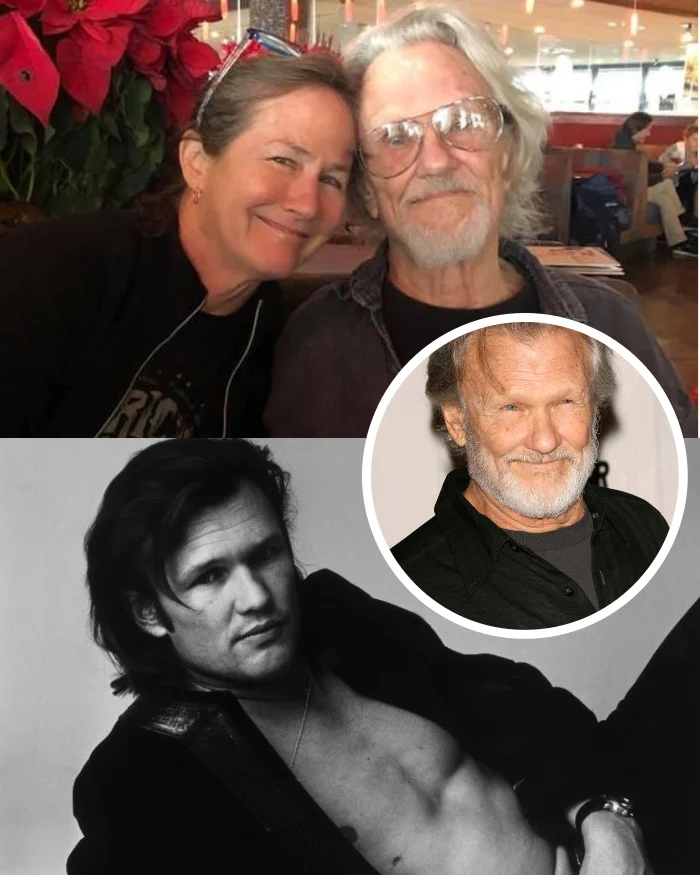
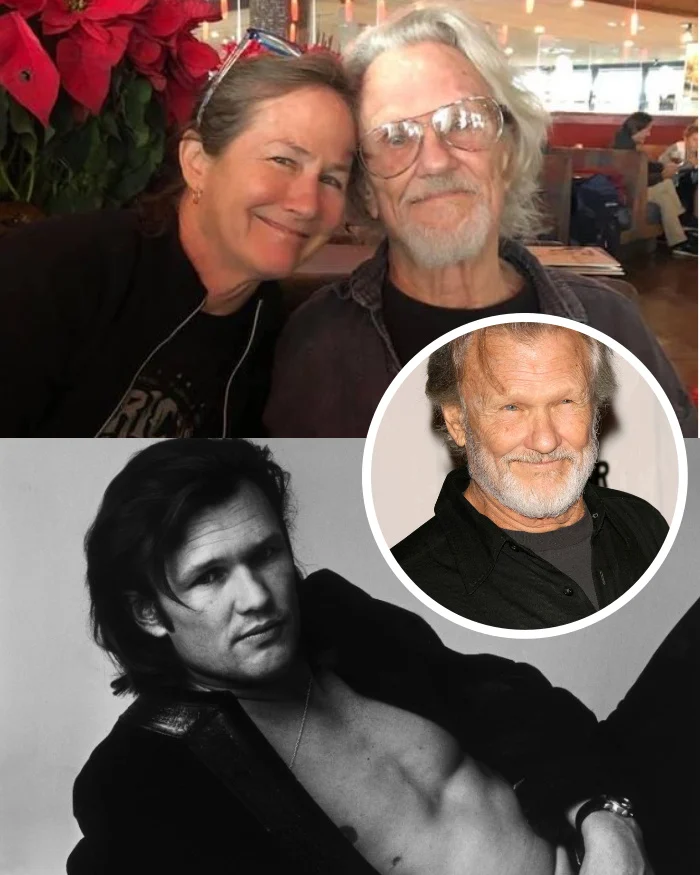
The lights burned bright inside the Ryman Auditorium in October 1970 when the Country Music Association called Kris Kristofferson’s name for Song of the Year. The man who had recently emptied ashtrays in a Nashville recording studio stepped forward as the industry honored a broken man waking into a bleak Sunday morning.
That victory reshaped country music. For years Nashville favored polished voices and tidy stories. This award went to a raw portrait of loneliness, hangover regret, and a small apartment where a man faced a lonely day without a clear path forward.
Kris Kristofferson was no ordinary outsider. He had been a Rhodes Scholar and an army captain who left a secure path for songwriting. He moved to Music City and took a janitor job at Columbia Studios, sweeping floors and carrying trash cans while watching stars like Johnny Cash record.
His persistence turned legendary when he landed a National Guard helicopter on Cash’s lawn to deliver a demo tape. When Cash finally heard the song, he recognized the same struggle he had lived through, and he chose to give it a national stage.
Network executives reviewed the planned television performance and flagged a line that openly referred to wanting to be under the influence. Broadcast standards in 1970 were strict, and producers demanded that Cash soften the wording before cameras rolled.
Cash listened to the request, then walked into the light anyway. On The Johnny Cash Show, he sang Kristofferson’s original words without changing them. He kept the unpolished truth intact, protecting the song’s lonely reality for millions of viewers.
He stood in front of a national audience and refused to erase the struggle written by a janitor turned songwriter.
The performance proved that a flawed perspective could carry enormous emotional weight. Audiences responded to the honesty, and the song climbed toward the top of the Billboard charts, sealing a partnership between two artists who believed rough edges mattered.
Johnny Cash had already shown his loyalty to the marginalized voice. His choice to defy television pressure helped Kristofferson become one of the most respected writers in Tennessee and signaled the dawn of the outlaw country movement.
When Kristofferson accepted the award, the conservative establishment had to acknowledge a story that did not fit the old Nashville mold. The industry recognized that country music could be truthful, wounded, and powerful all at once.
That night was not only a personal breakthrough for Kristofferson. It was a defining chapter in country history, born from a struggling janitor, a fearless star, and a song about a hungover Sunday morning that refused to be cleaned up.