
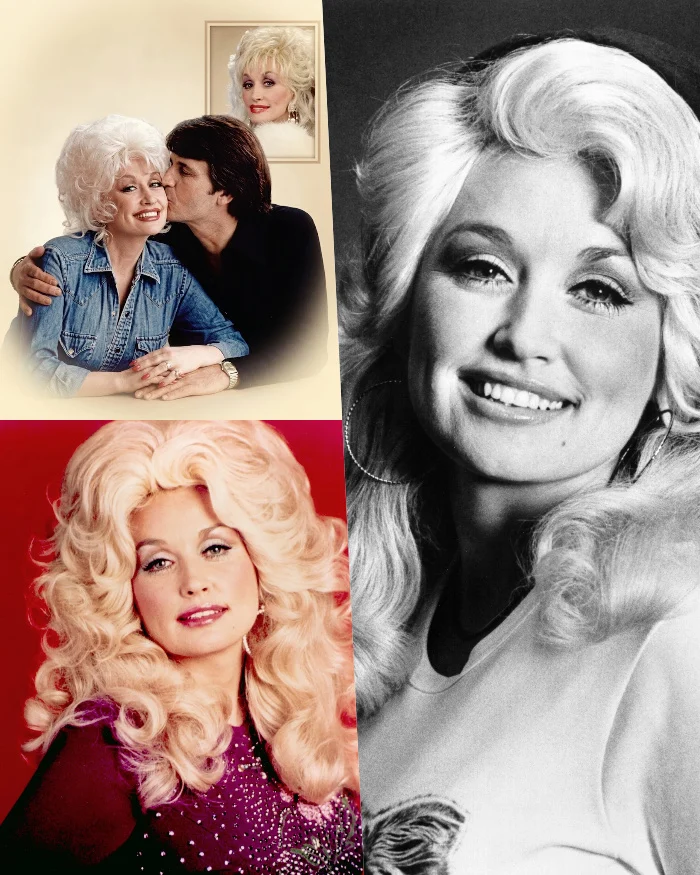
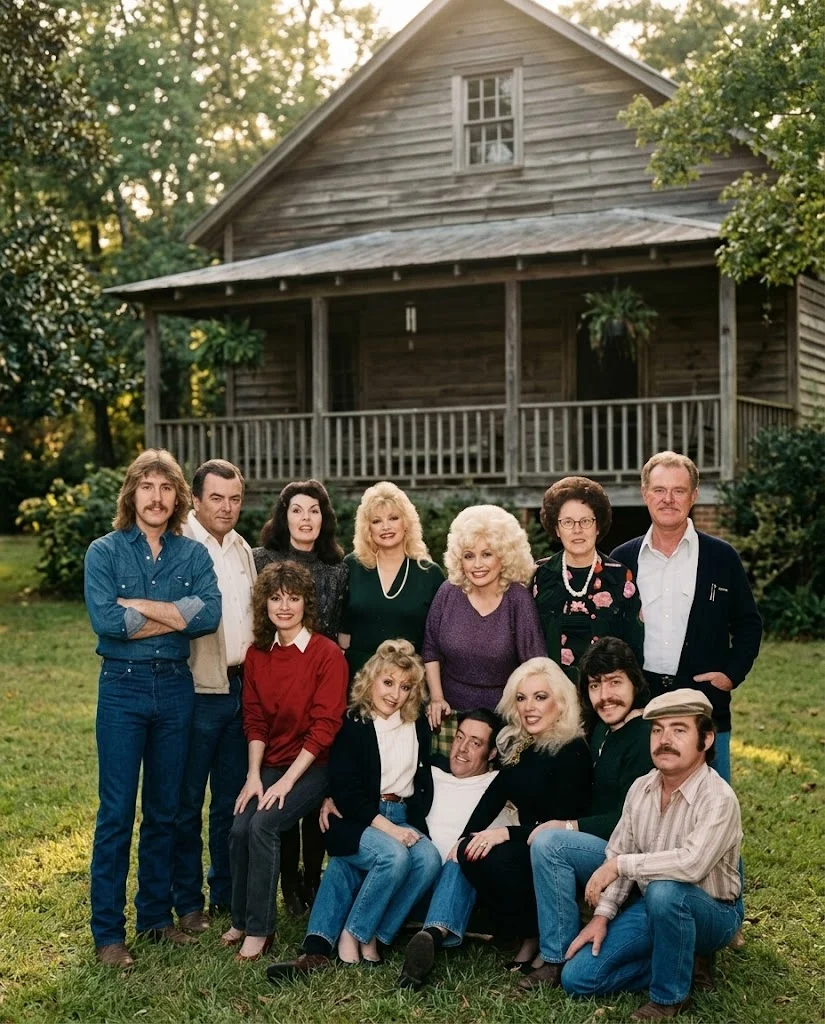
Dolly Parton did not build Jolene from stage glamour. She built it from a quiet fear inside her home.
When Dolly Parton released Jolene in late 1973, the song raced to the top of the Billboard country charts. Its frantic guitar picking and urgent voice made it unforgettable.
Years later, hundreds of artists across many genres covered it. Yet the true origin remains more intimate than any legend.
In one stunning display of discipline, Dolly Parton wrote Jolene and I Will Always Love You on the exact same day. I Will Always Love You became a farewell to her longtime television mentor Porter Wagoner. Jolene became a confession about marriage.
Her husband Carl Thomas Dean stayed far from the spotlight. He ran an asphalt paving business and gave her a calm place to return to after the noise of fame.
Early in their marriage, Dolly Parton learned that a striking red headed bank teller had developed a crush on Carl Thomas Dean. The threat was small, but it touched a deeply human fear.
Instead of hiding jealousy or attacking the woman, Dolly Parton opened her notebook. She turned embarrassment into art.
On paper, she was not a rising superstar. She was a wife pleading for the safe haven she had built.
She needed a name for the other woman. She did not use the bank teller’s actual name.
The answer arrived at a concert. A young fan stepped into the autograph line with bright red hair, pale skin, and piercing green eyes.
When the little girl said her name was Jolene, Dolly Parton felt the name lock into place. She repeated it while signing the photo so she would not forget its musical shape.
The missing piece was no longer a stranger threat. It became a character with a name that sounded like a heartbeat.
On May 22 1973, Dolly Parton entered RCA Studio B in Nashville. Producer Bob Ferguson helped shape the recording without burying the emotion under grand orchestration.
Session guitarist Chip Young played a restless descending acoustic riff that matched the anxious pulse of the lyrics.
The song moved from insecurity to master track in just a few takes.
Please don’t take him just because you can
That plea stripped away celebrity armor. It revealed the fragile heart beneath the bright stage persona.
The fear never broke her marriage. Carl Thomas Dean stayed, and Dolly Parton and Carl Thomas Dean remained together for nearly six decades.
The little girl walked away with a signed photo, unaware that her name had helped shape country music history.
Dolly Parton proved that her greatest strength was not armor. It was the courage to show the world her fragile heart.