
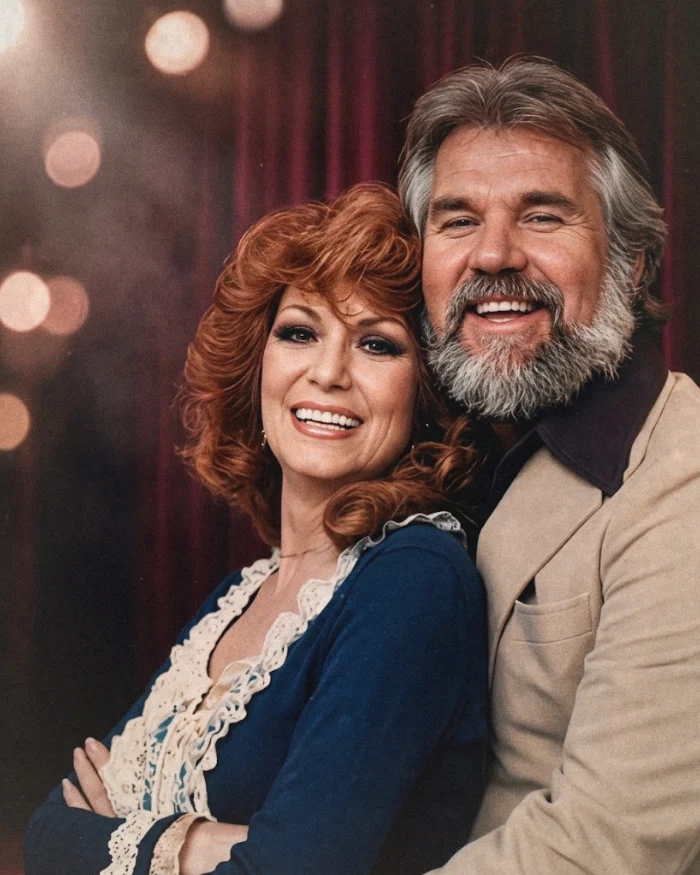
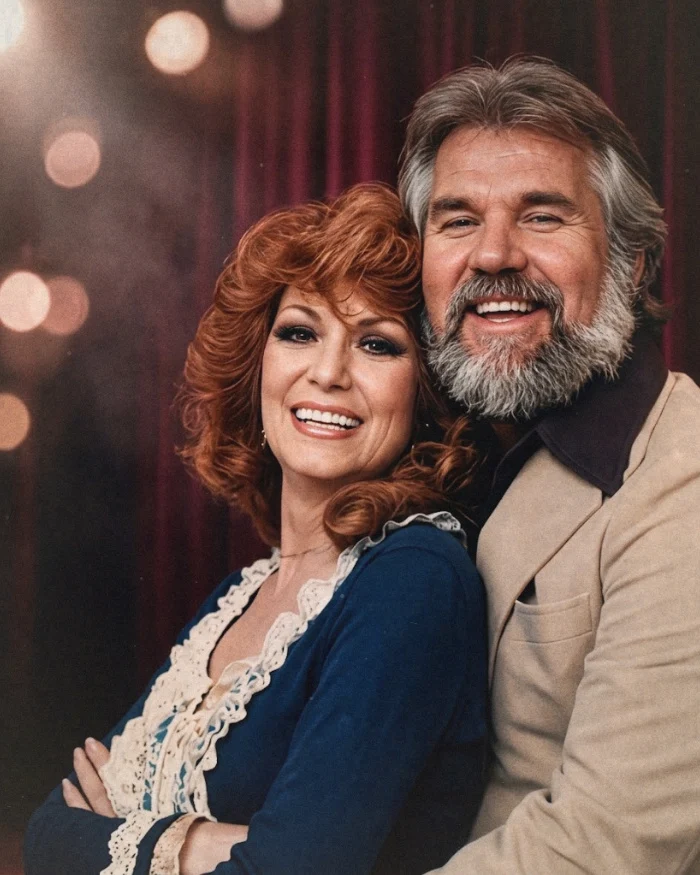
The borrowed car fell silent in the Nashville heat and Dottie West stared at a clock that refused to move fast enough.
She was 58 and she had a promise to keep at the Grand Ole Opry. Her call time was half past eight in the evening on August 30, 1991. The vehicle had been arranged by Kenny Rogers, the longtime duet partner who stepped in after bankruptcy stripped away her own cars and much of her former life.
West flagged down her 81-year-old neighbor George Thackston and accepted a ride rather than miss the stage. The fear of being late mounted with every passing minute. She urged Thackston to hurry.
They entered the exit ramp from Briley Parkway toward Opryland at roughly 55 miles per hour, more than double the posted limit of 25 miles per hour. The car lost traction, went airborne over an embankment, and slammed into a concrete barrier.
West suffered catastrophic internal injuries. Doctors at Vanderbilt University Medical Center performed multiple emergency operations, but her body could not recover. She died on September 4, 1991, never making that Friday night curtain call.
The tragedy carried a quiet cruelty for everyone who loved her. The stalled car had been an act of friendship meant to help her rebuild. The frantic ride was born only from a lifelong vow to honor her audience.
Rogers and West had become one of country music’s most beloved duos after a chance studio meeting in late 1977 at United Western Recorders in Hollywood. Rogers was finishing solo vocal tracks while West worked with producer Larry Butler in an adjoining tracking room. Butler asked both singers to step around the same microphone and run through a demo called Every Time Two Fools Collide.
The first playback revealed an instant spark. Rogers’s husky rhythmic warmth met West’s emotive mountain-rooted ache. Released in early 1978, the single rose straight to number one on the Billboard country singles chart and revived West’s commercial momentum.
Over the next four years they became an arena-level force. They swept the Country Music Association Vocal Duo of the Year honors in 1978 and 1979 and collected major Academy of Country Music awards. Songs such as All I Ever Need Is You and What Are We Doin’ in Love dominated radio playlists across North America.
On tour their shows carried seamless harmonies, playful banter, and visible mutual respect. Rogers’s solo stardom grew into stadium tours and television films, yet he consistently treated West as a co-headliner and equal peer. He often credited her stage stamina, sharp comedic timing, and emotional generosity for teaching him how to command a live country audience.
Behind the bright stage lights West faced devastating setbacks. Multiple divorces, turbulent romances, and an ill-fated drilling venture culminated in a 1990 financial collapse. Federal marshals auctioned off her Nashville mansion, tour buses, stage dresses, and even her favorite baby grand piano on the front lawn.
Throughout that public ordeal Rogers remained a private anchor. He sent an anonymous representative to the bankruptcy auction to buy back her piano and have it placed in her rental apartment. He also quietly arranged a reliable car and financing so she could keep traveling to regional bookings and Opry appearances without losing her livelihood.
When the crash happened Rogers was among the first colleagues to rush to Vanderbilt University Medical Center. He stayed in close contact with her family through days of intensive surgery until her heart gave out on the operating table on September 4.
Days later Rogers stood beside her casket at Christ Church in Nashville to deliver her eulogy. He broke down in tears as he recounted her fierce heart and unyielding honesty behind the microphone.
Decades after their voices first blended in that Hollywood recording booth their legacy remains permanently inscribed in American music history. West was posthumously inducted into the Country Music Hall of Fame in 2018.
In her final run toward the Opry spotlight Dottie West gave everything she had left just to keep her word to the music