
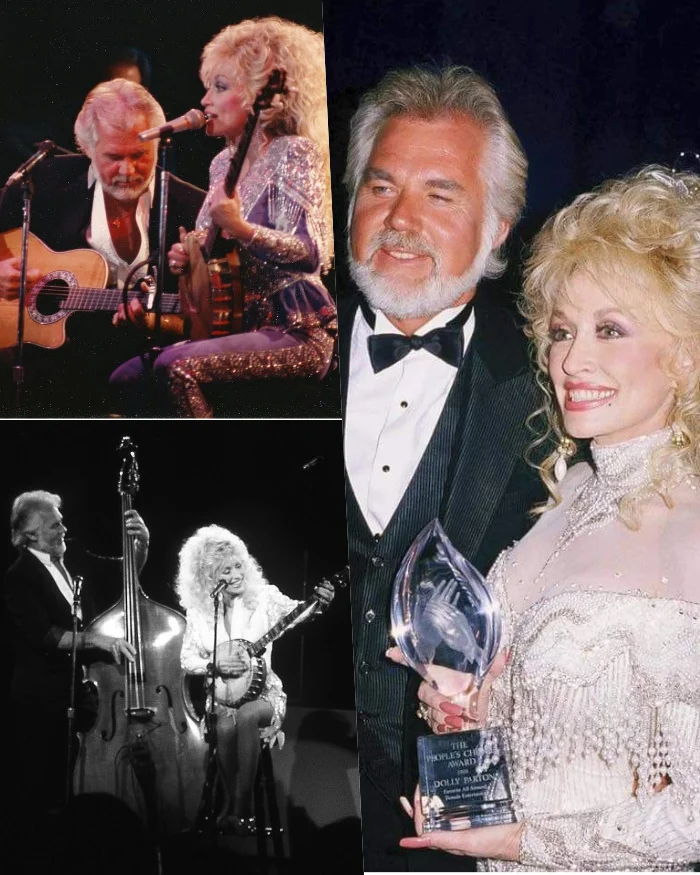
In 2017, when Kenny Rogers sang his final farewell at Nashville’s Bridgestone Arena, Dolly Parton stood beside him and the microphone held their story. That shared moment was not a marketing trick or a scheduled reunion. It was the last public echo of a bond that had already changed country music years earlier.
During the summer of 1985, the two biggest solo stars in the world stepped onto the same North American stage for the Real Love Tour. At that time, arena tours usually demanded a rigid pecking order. Managers fought over who would open and who would close. Dolly and Kenny refused that script. They split the billing down the middle and gave the audience a partnership instead of a hierarchy.
The tour grew from the crossover fire they had lit with their 1983 collaboration and the holiday album that followed in 1984. Massive arenas filled with fans who did not fit neat categories. Country loyalists sat beside pop listeners, and the night belonged to both.
The production carried some of the decade’s most advanced lighting and sound. Still, people left talking about the spaces between songs. In front of tens of thousands, including the Sacramento crowd that HBO filmed for a widely watched national broadcast, Dolly and Kenny tossed aside their cues. They joked, teased, and laughed when a mark was missed. Kenny’s steady baritone and calm body language gave Dolly’s soaring soprano and rapid Appalachian humor room to shine.
There was no fight for the spotlight, no attempt to out-sing one another.
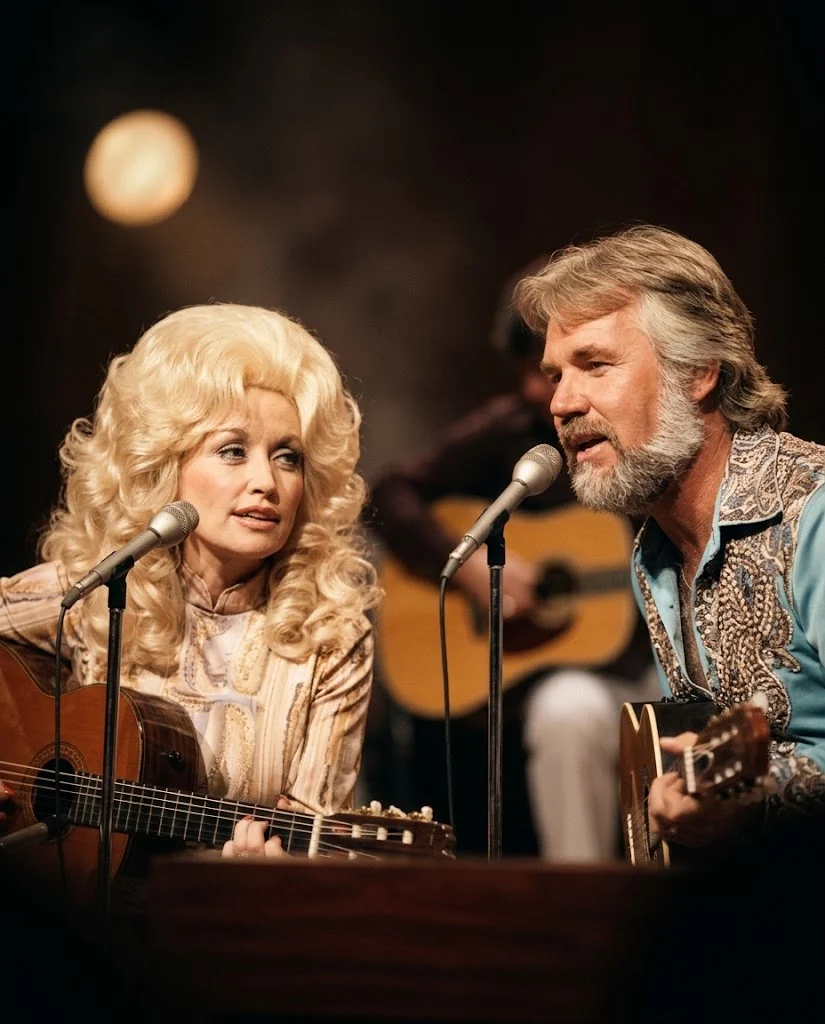
That trust did not stop after the tour ended. It shaped the way they recorded together. When modern country production became more digital and duet partners were often tracked in separate booths on separate days, Dolly and Kenny kept insisting on standing face to face at the microphone. They sang while looking at each other during later projects such as Love Is Strange in 1990 and You Can’t Make Old Friends in 2013.
During the 2013 sessions, Kenny admitted he could not have recorded the song with anyone else. He leaned on Dolly to help carry the emotional weight of the melody. The result sounded less like a polished product and more like two friends telling the truth in real time.
Decades later, when Kenny stepped away from touring, Dolly was there. They shared one last microphone in Nashville, and the chemistry that had softened giant stadiums remained intact. Their story proves that the most powerful music happens when two icons decide they do not need to stand alone.