
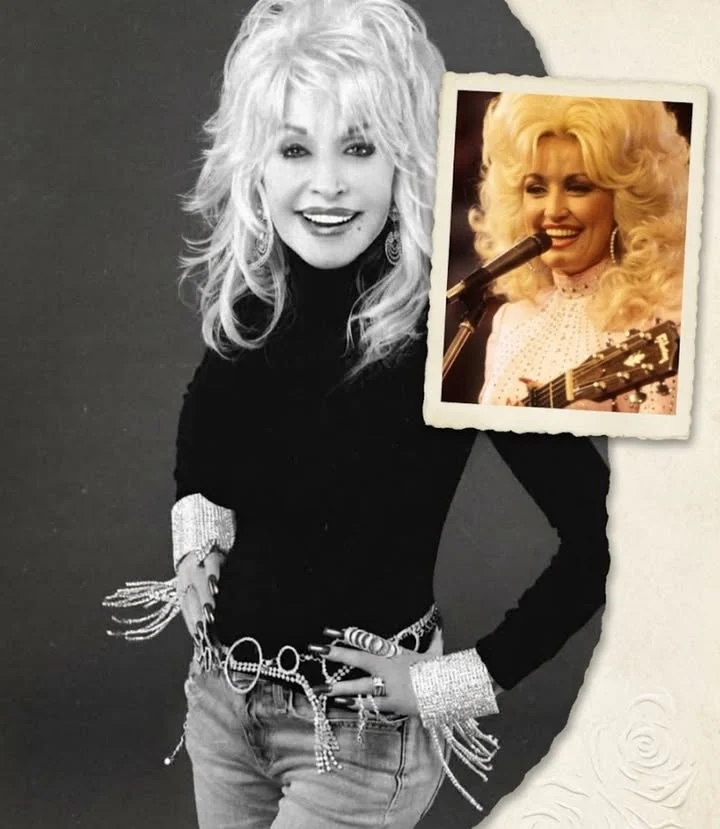
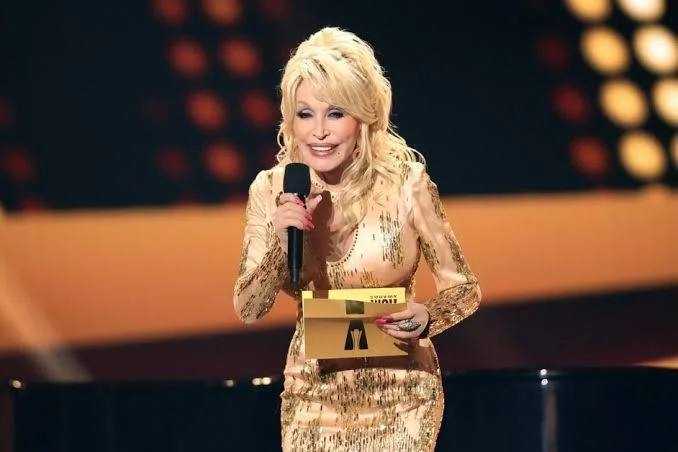
A little girl walked into school wearing a coat stitched from scraps and heard laughter from other children. That moment could have become a scar. It became a song. Coat Of Many Colors is the Dolly Parton classic that turned childhood hardship into one of country music’s most treasured stories.
Released in 1971, the song looks back on Dolly’s childhood in the mountains of East Tennessee. The family had very little money. Yet her mother gave her a coat made from rags and wrapped it with imagination and love.
As her mother sewed each small piece together, she connected the coat to the biblical story of Joseph and his coat of many colors. She told her daughter that the coat could bring good luck and happiness. That simple act changed the meaning of poverty.
The song never asks listeners to feel sorry for the little girl at its center. Instead, it lifts a child’s pride above cruelty. The coat was humble. It was also priceless because it carried her mother’s time and heart.
Parton later recalled that the words came to her while traveling on Porter Wagoner’s tour bus. She had nothing to write on. She spotted a dry cleaning tag attached to one of Wagoner’s outfits, tore it off, and began writing the lyrics. She kept that original receipt and it became part of her museum collection at Dollywood.
Although we had no money, I was rich as I could be in my coat of many colors my mama made for me
More than half a century later, Coat Of Many Colors still feels deeply personal. It is not only a memory of a ragged coat. It is a lasting tribute to a mother who made something beautiful out of almost nothing.