
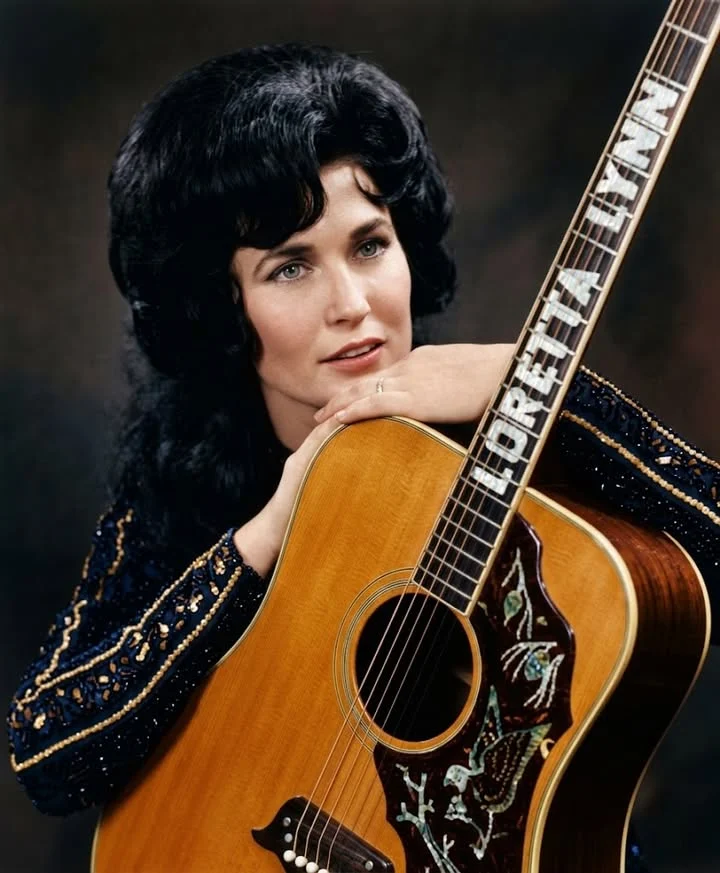
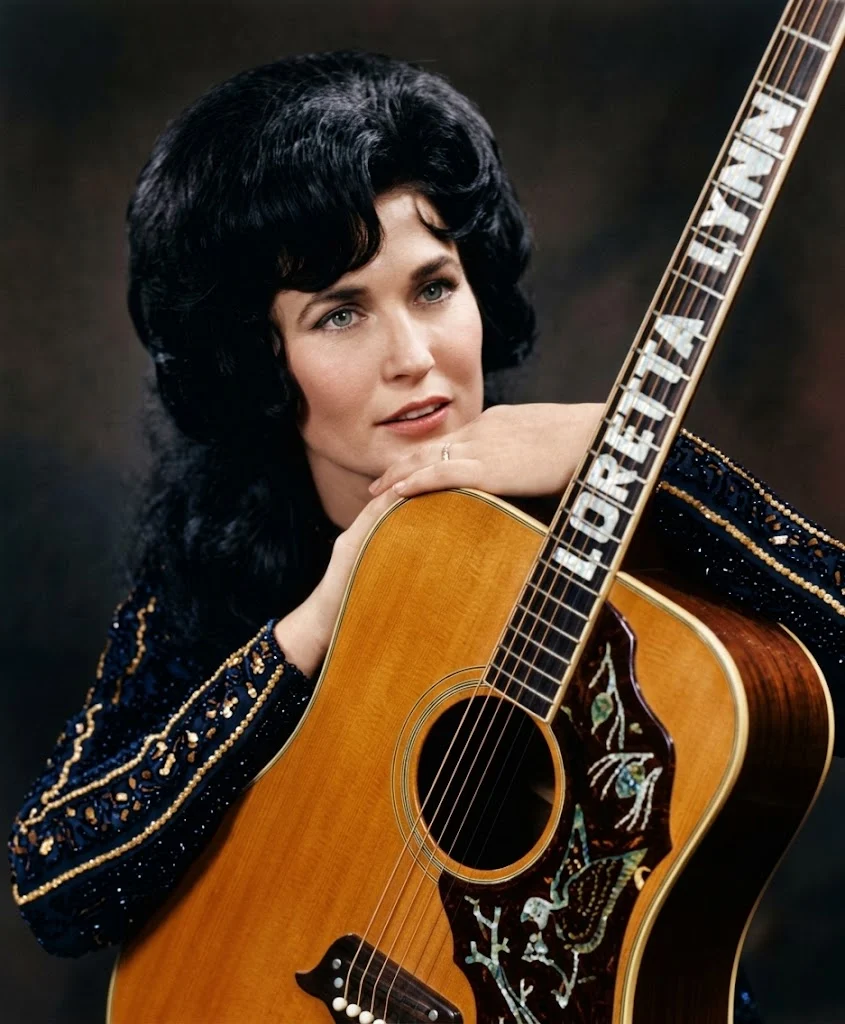
At fifteen Loretta Webb stood at her parents’ home carrying a baby and a broken promise. The humiliation could have ended her story before it began.
She had married Oliver “Doolittle” Lynn in January 1948 only a month after meeting him. By the end of that year the teenage bride from the poverty of Butcher Hollow Kentucky was expecting their first child Betty Sue.
Life with Doolittle quickly revealed his drinking and his wandering ways. He sent his young pregnant wife back to her family. That painful exile carved a pattern of betrayal and endurance that would shape nearly fifty years of marriage.
Yet Loretta did not vanish into shame. She returned to Doolittle. The couple moved to Custer Washington far from the familiar hollers of Kentucky. Isolated from family and raising children while he worked she began to find a voice inside the silence.
The stinging betrayals that left her weeping in rural America became the raw material for her most enduring hits.
For their anniversary in 1953 Doolittle bought her a $17 Harmony guitar. He had heard her singing while doing chores and believed she was as good as anyone on the radio. He did not merely give her the instrument. He pushed her onto local stages and forced the shy young mother to perform.
That guitar became her microphone. The woman who endured humiliation and loneliness began speaking for millions of rural women who had no place to share their pain. She wrote honestly about marriage infidelity and the struggles of working class women.
Her marriage remained complicated and often painful. It survived until Doolittle passed in 1996. The heartbreak did not silence Loretta. It gave her the stories that changed country music forever.