
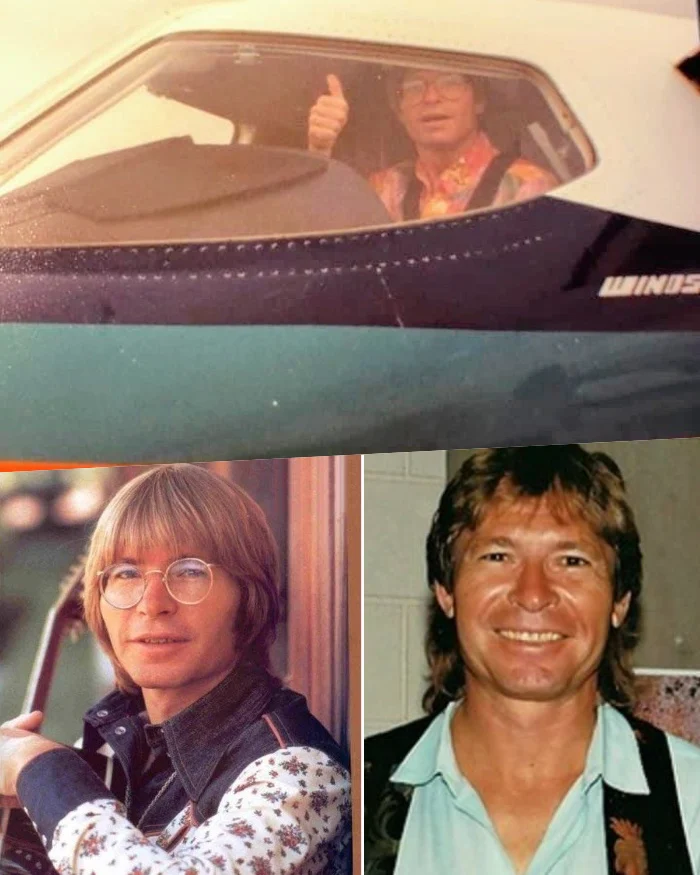
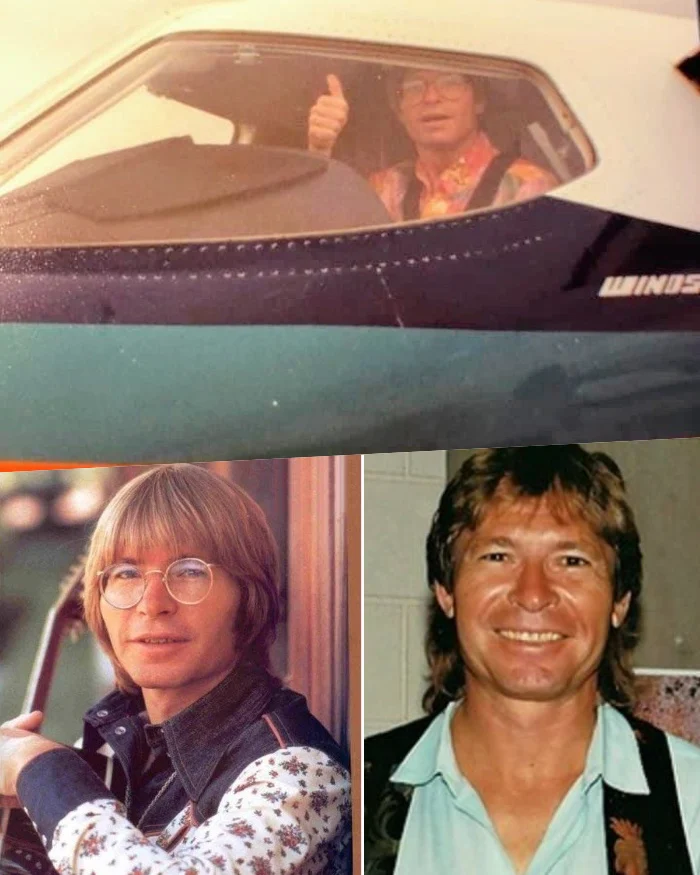
John Denver spent a lifetime lifting listeners into open country, then on October 12, 1997, he lifted himself into the sky one last time.
He had spent the day on a golf course near Monterey, laughing with friends and showing no hint that the afternoon would end in water. Around five in the evening, he took off from Monterey Peninsula Airport in an experimental Rutan Long-EZ he had purchased just two weeks earlier and began practicing touch-and-go landings. Fifteen minutes into the flight, the plane lost power near Pacific Grove, banked right, and fell into Monterey Bay. He was fifty-three.
For Denver, flying was not a casual thrill. It was a family inheritance. He grew up as Henry John Deutschendorf Jr., the son of U.S. Air Force Lieutenant Colonel Dutch Deutschendorf, a celebrated pilot who had set world speed records in the B-58 Hustler.
Denver accumulated more than 2,700 flight hours across single-engine planes, gliders, and even a type rating in a Learjet. The cockpit gave him privacy that fame could not breach. Away from autograph seekers and tour demands, he could study the wide landscapes of the American West and translate them into songs.
The view from the cockpit helped shape the expansive clarity of his music.
His concern for the earth grew sharper with every flight. In 1976, at the height of his fame, he co-founded the Windstar Foundation on a thousand acres in Snowmass, Colorado. He invested personal earnings into the project and imagined it as a living laboratory for sustainable living, holistic education, and environmental stewardship.
Through Windstar, Denver convened annual gatherings that brought scientists, thinkers, and grassroots activists together around renewable energy and habitat loss. He testified before congressional committees for wilderness protection, served on a presidential commission on world hunger, and in 1992 created Plant-It 2020 to fund reforestation across the globe.
His music also crossed political walls during the Cold War. Denver traveled to China and the Soviet Union, using acoustic songs to speak about shared responsibility for a fragile planet. Few Western performers were welcomed in both places.
After the crash, official investigations by the National Transportation Safety Board found that Denver had not been incapacitated. The amateur-built aircraft had an awkward fuel selector handle behind the pilot’s left shoulder. Switching fuel tanks at low altitude required a difficult twist that inadvertently pushed on the rudder pedal.
His family carried him home to Colorado. In a quiet private moment, they scattered his ashes across the high ridges of the Rocky Mountains, returning him to the pine forests, rivers, and snowy peaks that had shaped his life and melody.