
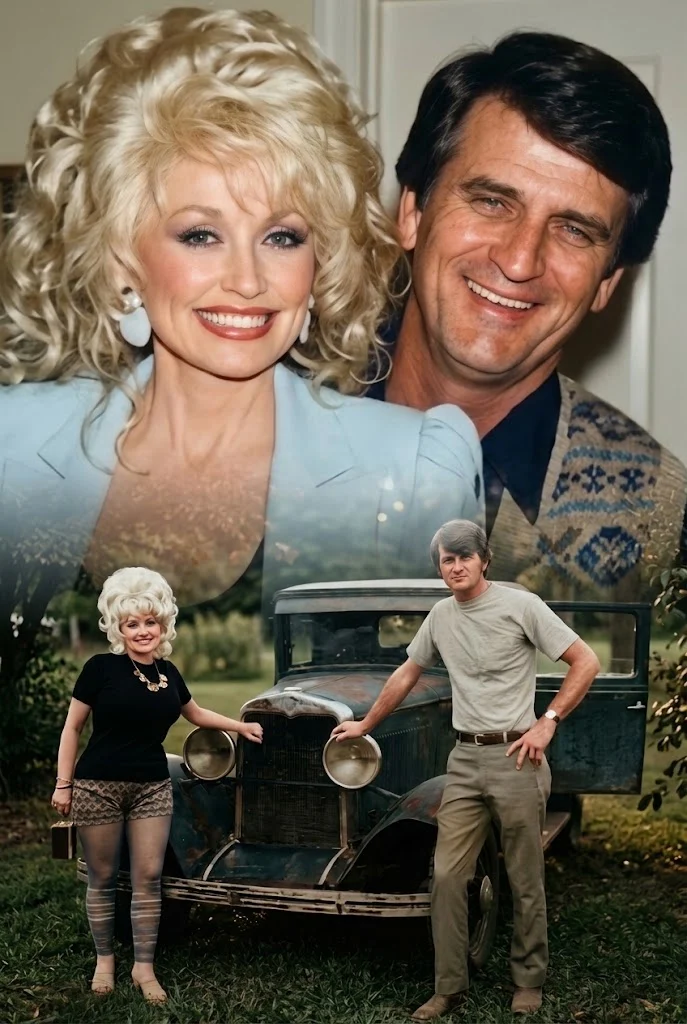
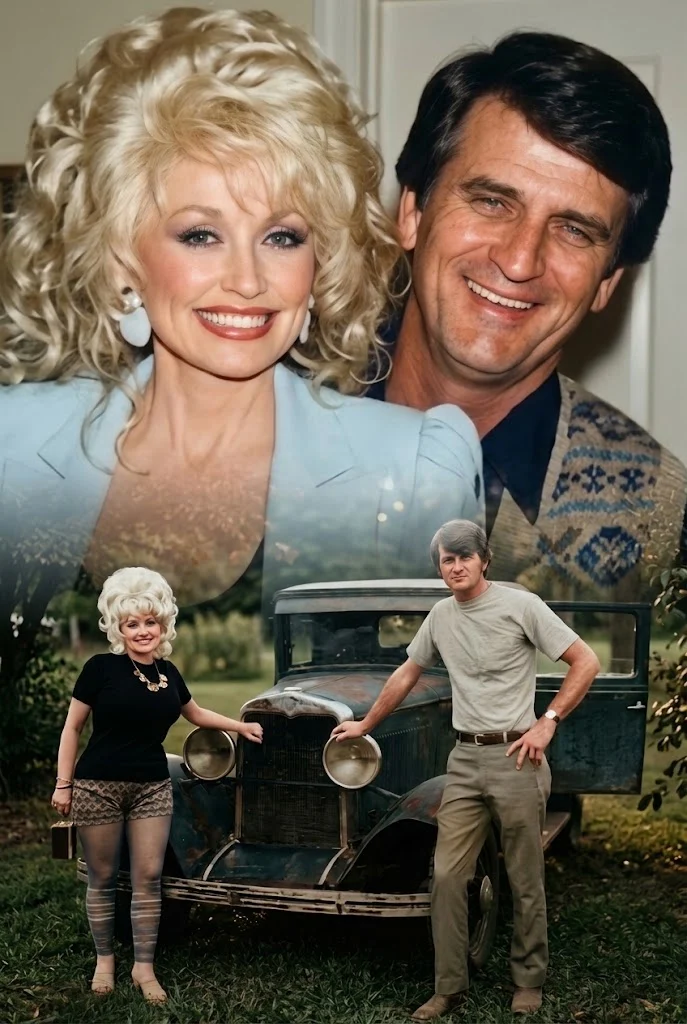
A single folded slip of paper could stop Dolly Parton from feeling alone in a dressing room a thousand miles from Tennessee.
For decades, her most precious travel companion was not a suitcase or a stage costume. It was a small handwritten note from Carl Dean, slipped into her bags before long tours began. He hid them in makeup compacts, between loose bills, along wig case seams, and inside tour binders. She found them later in quiet hotel rooms or backstage dressing tables, just before the stage call sounded.
The habit began during her earliest national tours in the late 1960s, when Porter Wagoner’s roadshow kept her on interstate highways for weeks. The country music circuit was relentless, carrying her through rural fairgrounds, regional auditoriums, and crowded smoke-filled halls across the Midwest and the South. Those endless stretches between interstate exits left her alone with a legal pad and an acoustic guitar.
Carl did not send polished poetry or show business compliments. He wrote plain reminders to eat regular meals, keep a coat zipped against drafts, drive carefully, or notice that Tennessee backyard flowers were coming into bloom. In unfamiliar cities where crowds chanted her name, those pencil lines grounded her before rhinestones and towering wigs turned her into a larger-than-life star.
At the piano during long stretches away from home, separation became melody. Songs about distance, road-weary travelers, and waiting for someone across county lines grew from that ache. A diesel-fumed bus created a sharp contrast between roaring crowds and quiet hours watching telephone poles blur past the window. Rather than writing strictly traditional heartbreak ballads, she leaned into fatigue, loneliness, and emotional tension.
Traveling Man captured the nomadic rhythm of people who made their living on the move. Later reflective catalog cuts examined the deep pull between professional ambition and the desire to be sitting at an ordinary kitchen table. When she composed melodies on portable tape recorders in transit, she drew on the domestic reality Carl maintained in Tennessee, anchoring songs about distance in real and tangible details.
Carl stayed rooted in Brentwood, running his asphalt-paving business and overseeing the property. That steady home base gave Dolly an unshakeable point of return. In backstage dressing rooms in London, Los Angeles, and Tokyo, the world demanded complete immersion in her larger-than-life public persona. Opening an envelope to read a two-line note about how the back lawn needed mowing or that spring azaleas had finally opened cut through the noise instantly.
When tour delays left her stranded in unfamiliar cities, she used that stillness to work through melodies that balanced gratitude with an ache for home. Her writing frequently carried the perspective of someone standing on a platform or looking out a window, observing a fast-moving world while holding tight to an unchanging promise.
Carl never requested updates on her tour receipts or asked about industry gossip. His notes stuck strictly to everyday life, written with dry humor and plain affection. Dolly kept every single one. Instead of discarding worn pieces of notebook paper or hotel stationery after reading them, she smoothed out their creases, folded each slip back up, and placed them in her travel bags to bring home.
Over fifty years, those quiet papers preserved the life waiting for her on the other side of the road.
No matter how far the highway stretched, the only home that counted was already waiting.
The global music industry saw Dolly Parton as an unstoppable touring force who owned the biggest stages in the world. But the emotional spine running through decades of her road songs belonged to those tiny scraps of paper.