
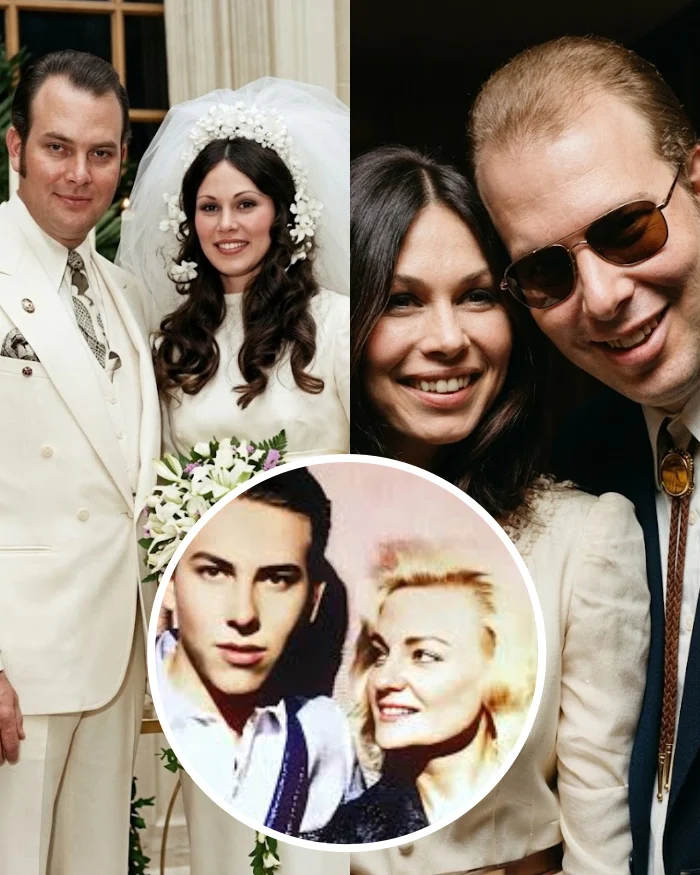
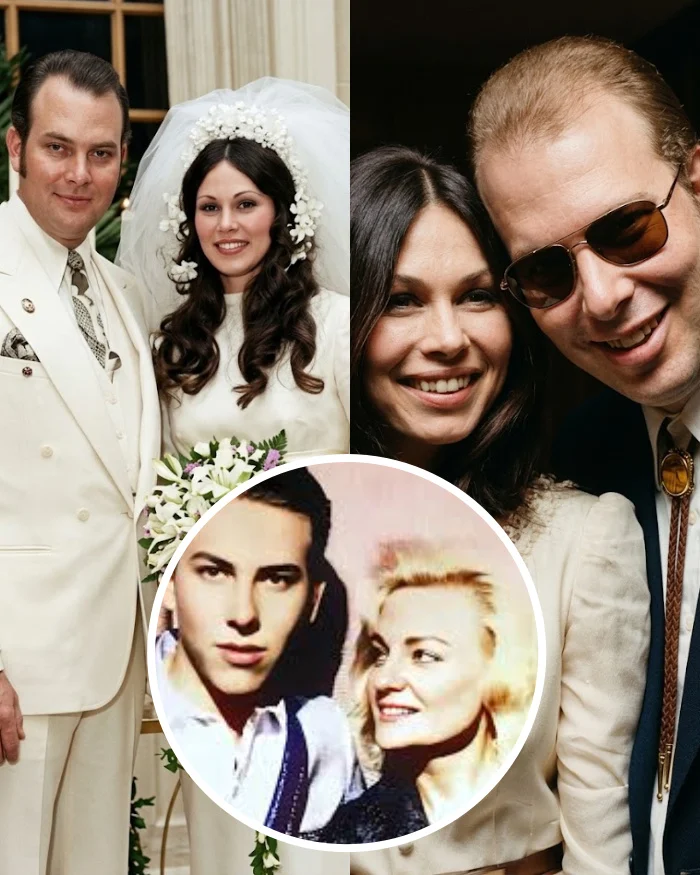
She married a young singer and dreamed of a quiet life. Gwen Yeargain entered her 1971 marriage to Hank Williams Jr. hoping for a private home and a steady future. Instead she walked into a ruthless Nashville empire and a family legacy that demanded control over every hour of her husband’s life.
At age twenty two Hank Jr. had almost no autonomy. Audrey Williams managed his finances and contracts and forced him onto a grueling tour schedule that left little room for rest. Record executives and his mother also pushed him to perform as a living replica of his late father. He wore similar suits and played venues his father had conquered decades earlier.
Their marriage had no privacy. Gwen spent long days in empty houses and lonely tour buses. She quickly learned she was sharing her husband with a towering legacy that swallowed his identity. Night after night he faced crowds cheering for a ghost while he stood alone under the spotlight.
He felt trapped between loyalty to his family and the desperate need to become his own man.
The pressure drove him into heavy substance abuse. Gwen watched the man she loved drown under an empire she could not fight. Emotional exhaustion cracked their foundation.
Survival required a break. In the mid 1970s Hank Jr. fired his mother as manager. He severed the financial and business ties that had bound him since childhood. He moved to Cullman Alabama to put distance between himself and the Nashville establishment Audrey controlled.
That risk became his reinvention. He sought new management and leaned toward Southern rock musicians such as Charlie Daniels and Waylon Jennings. Their influence helped him shed the clone act and search for an aggressive sound of his own.
For Gwen the story was never only fame. It was a marriage tested by industry machinery and grief. For Hank Jr. it was a brutal path from being owned by a legacy to claiming a life and a voice.