
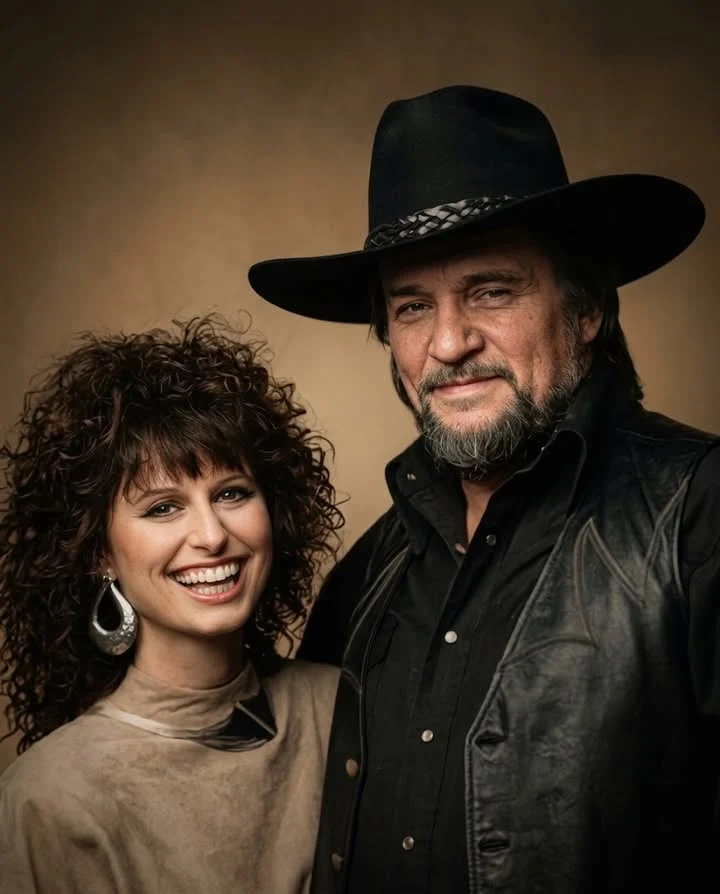
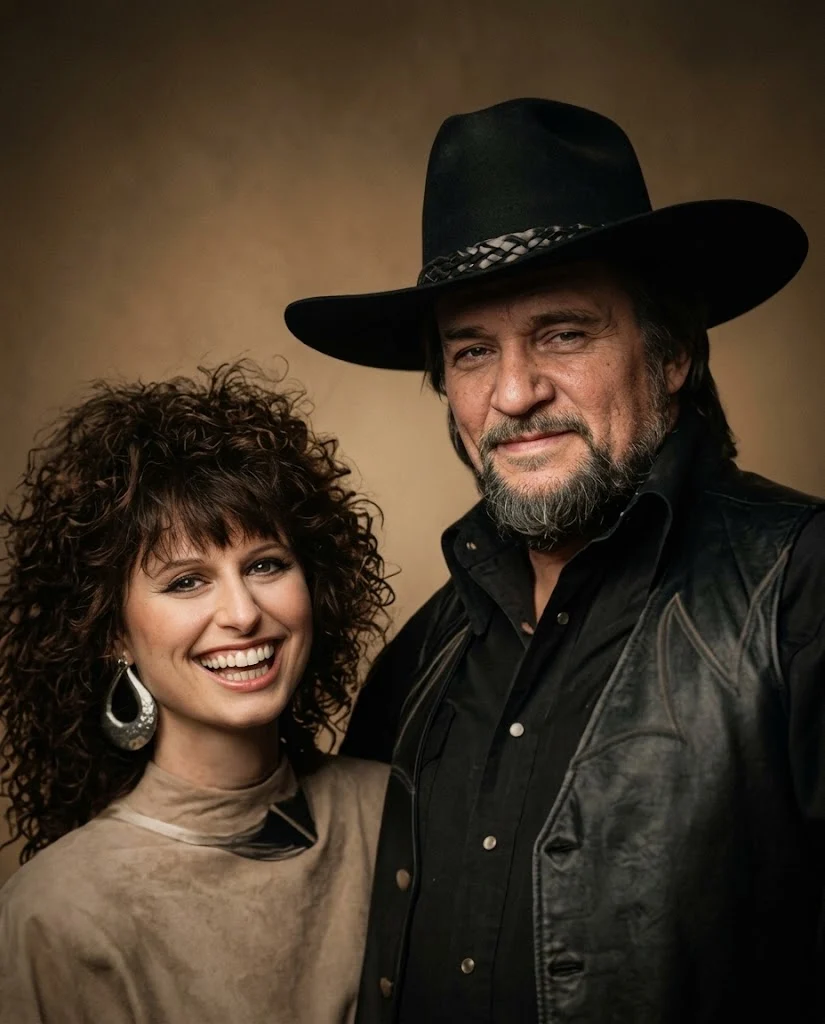
By the early 1980s, Jessi Colter stood in a Nashville home where love and terror shared the same air, wondering if she should leave Waylon Jennings before the addiction took everything.
The man who had made Outlaw country feel fearless was drowning in cocaine and amphetamine damage, while platinum records and roaring arenas hid the daily agony he could barely describe.
Jennings had once relied on speed to survive endless tours, yet that survival habit had twisted into a brutal dependency. Reports said the habit drained thousands of dollars from his accounts every week, and his body began to feel like a cage of pain.
Every bone in my body was screaming
That image captured the collapse beneath the leather, the Telecaster, and the defiant public voice. Behind the success, he was losing sleep, steadiness, and trust.
Colter, his wife and musical partner, faced a heart breaking choice. She had to protect herself and their young son, Shooter, from a man destroying himself in front of her. The public saw country music’s golden couple, but their private life had become a test of endurance.
Instead of storming into the press with ultimatums, she turned to her Christian faith. She replaced shouting with prayer, resentment with compassion, and the urge to flee with a steady refusal to abandon him spiritually.
Her presence did not cure the addiction, and she knew she had to keep distance to protect her sanity. Yet her loyalty became the thread that tethered Waylon to family, home, and his own survival.
In 1984, the threat of permanent loss finally broke through his denial. Jennings understood that his fiercely independent image would mean nothing if he ended up alone, stripped of the people who loved him.
Knowing his stubbornness, he refused a traditional rehab facility where doctors would issue orders. He chose isolation instead, renting a private house in the Arizona desert, far from Nashville enablers, and entered a brutal withdrawal on his own terms.
That desert reckoning became the defining chapter of his survival. The Outlaw who had built a career on strength learned that the hardest kind of courage is admitting you are falling, then letting love hold you long enough to stand.