
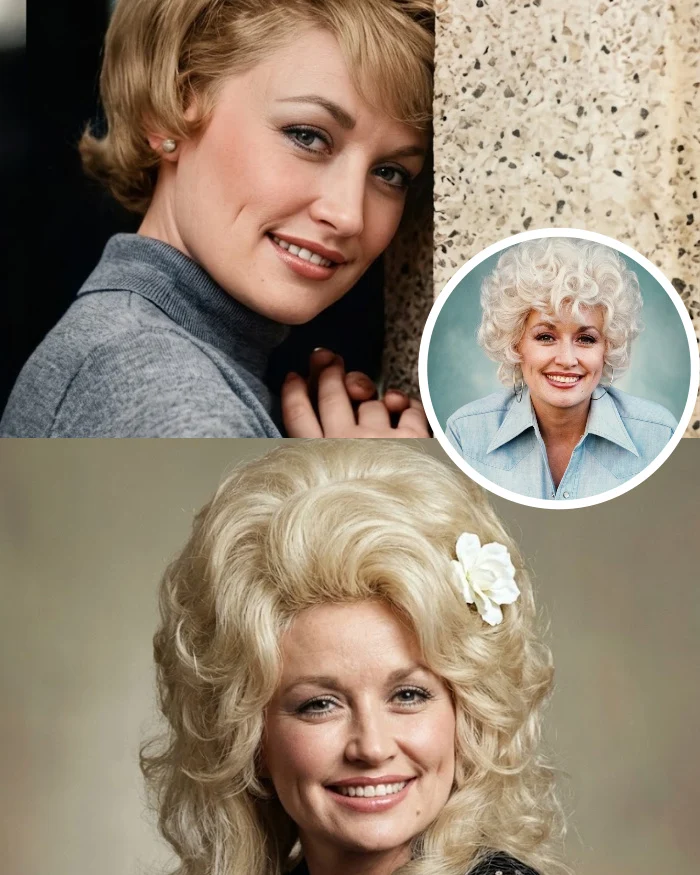
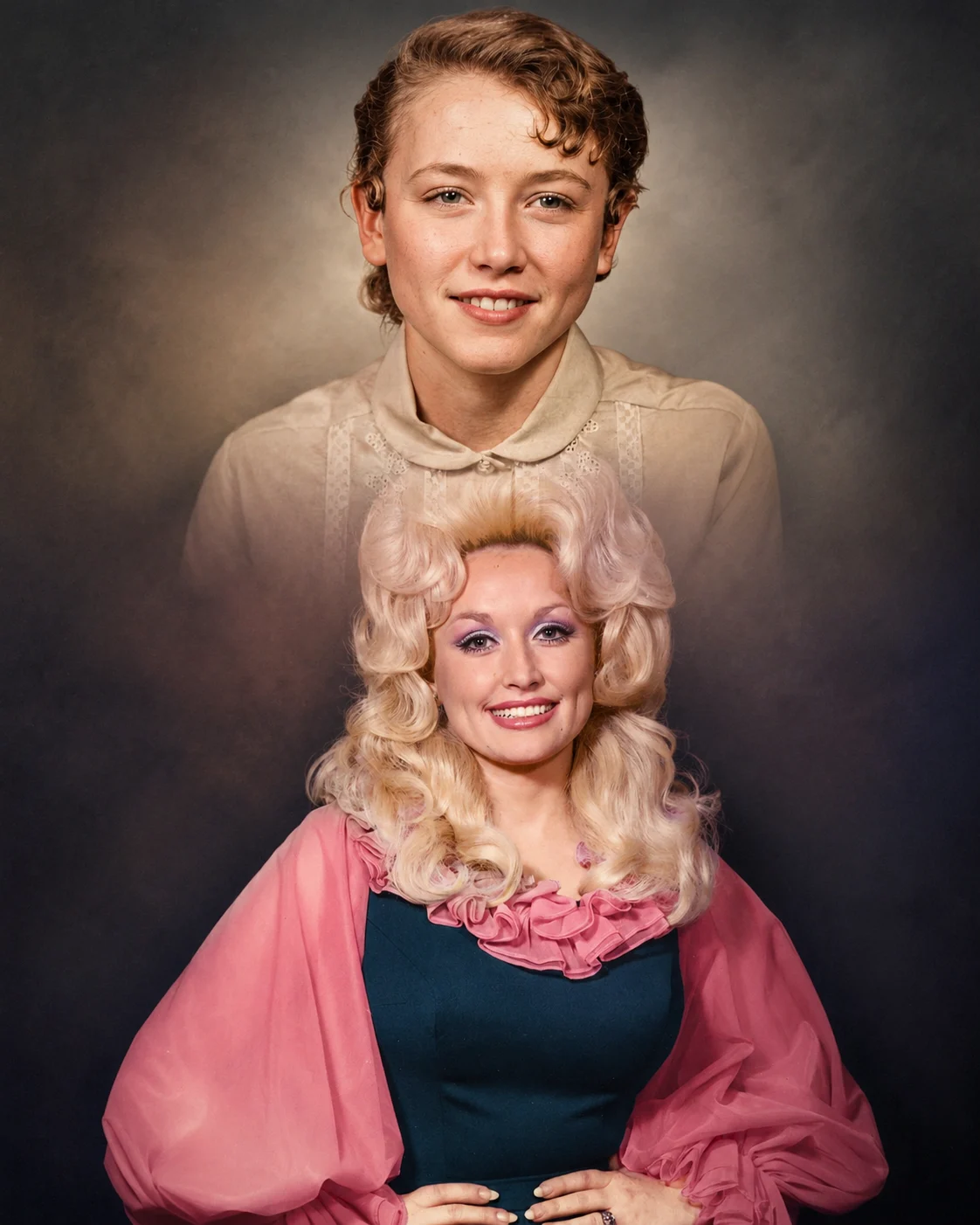
The Ryman Auditorium did not hand its approval to children. Yet in 1959 a 13-year-old girl from a one-room mountain cabin made that historic room roar with three encores, and country music felt its future shift.
Dolly Parton arrived in Nashville with little more than a cheap guitar, a fierce dream, and the memory of a porch where there was no electricity. She came from poverty on the banks of the Little Pigeon River, but she carried a voice that refused to shrink.
She was not entirely unknown. She had already earned a meager wage singing on Cas Walker radio and television shows in Knoxville. But Knoxville was not Nashville, and local television was far from a live broadcast carried across the country on WSM radio.
The Grand Ole Opry was the strict heart of country music, and its audience was known for holding judgment close. A seasoned star could feel fear under those stained-glass windows. A nervous teenager from Sevier County faced an even steeper climb.
Her path onto the oak circle did not come from a polished booking. Her uncle, Bill Owens, pushed through hallways and back doors, pitching her to anyone who would listen. Established country star Jimmy C. Newman finally gave up one of his own performing slots so she could have a brief chance.
Even then, Opry management hesitated. Putting an unknown girl on a live national broadcast was a risk no one wanted to carry alone. Johnny Cash heard her sing backstage and recognized the raw mountain truth in her voice. He used his own reputation to vouch for her, stepping forward to introduce her personally.
He handed the microphone to a frightened teenager and let the future of country music speak.
The scene on stage was unforgettable. Cash stood tall in dark clothing, already a commanding figure. Beside him was a tiny teenager in homemade clothes, staring into a packed auditorium that could launch her dreams or send her home empty-handed.
When Cash yielded the stage, Parton did not freeze. She gripped her guitar, leaned into the heavy microphone, and sang George Jones’s “You Gotta Be My Baby.” Her clear soprano cut through the room, and the tension broke.
She sang with rhythmic precision, fierce confidence, and a maturity that made the crowd forget her age. The Opry audience, rarely generous to newcomers, rose into applause and demanded three separate encores.
That thunderous response gave her something deeper than praise. It gave her proof that the voice she had practiced in poverty could command the most important room in the world.
Cash’s willingness to leverage his own reputation for an unknown girl from the Smoky Mountains also revealed the rare, supportive spirit of early Nashville.
The 1959 broadcast was not heavily documented with video, yet its impact became a foundational piece of country music history.
She returned to Knoxville to finish school, but the ovation followed her. The morning after her high school graduation, she packed her bags for Nashville permanently, carrying the night when a legendary star believed in her before the world did.