
On a cold March day in 1963, a small plane fell into a Tennessee forest, and one of country music’s most powerful voices went silent.
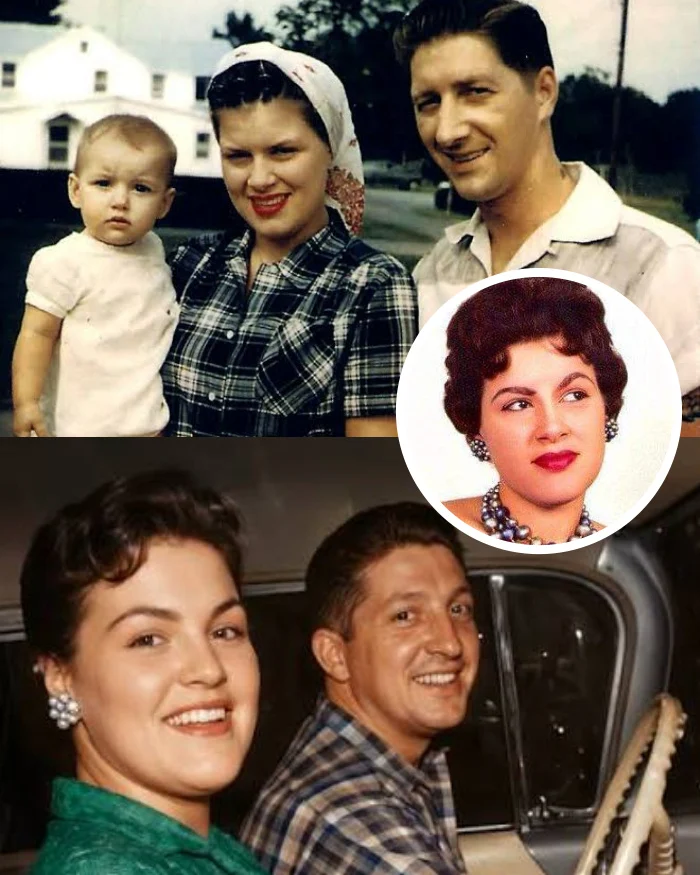
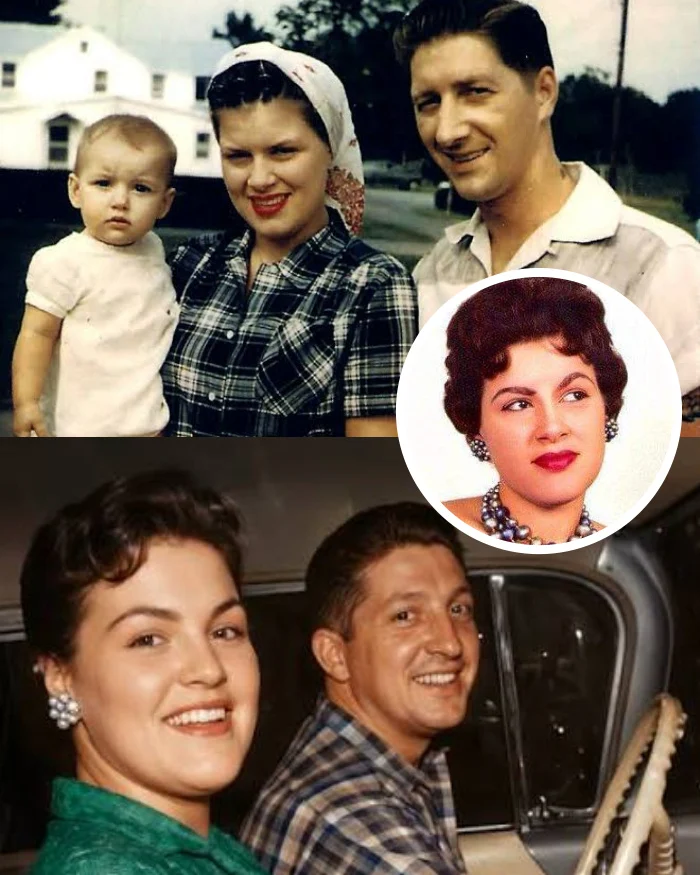
For the world, the crash meant the loss of Patsy Cline. For Charlie Dick, it meant coming home to a quiet house and telling two very young children that their mother was gone.
He was 28 years old, suddenly alone with four-year-old Julie and two-year-old Randy. The cameras had stopped flashing, the applause had faded, and the hard work of raising a family had only just begun.
He could have left the music industry behind. He could have hidden from the grief, moved away, and tried to build a quieter life. Instead, he made a vow that shaped the next half century. He would protect her name, her recordings, and her place in country music history.
He did not just manage an estate. He kept a beloved artist alive in the public memory.
Working with producer Owen Bradley and Decca Records, Charlie helped bring unreleased vocal takes and studio sessions into the light. He did not want Patsy’s master recordings buried in a vault. He wanted them heard, honored, and passed to new listeners.
Those early choices mattered. They helped keep her distinctive Nashville Sound on the radio, and they gave fans a bridge between the music she recorded and the generations who would discover her later.
Charlie stayed close to the industry for decades. He worked as a record promoter, walked the same Music Row streets she once knew, and stood on stages when honors came to her name. In 1973, when Patsy became the first female solo artist inducted into the Country Music Hall of Fame, he accepted the recognition with their children beside him.
As time passed, popular memory often reduced Patsy to a tragic ending. Charlie resisted that version of her story. When the 1985 film Sweet Dreams began production, he served as a core advisor. He wanted audiences to see the strong, loud, fiercely loyal woman he had married, not only the victim of a famous plane crash.
He insisted that history remember her grit, her independence, and the respect she demanded in a male-dominated business. He wanted the world to hear her voice, but he also wanted the world to understand the person behind it.
He guarded the memory of the woman who had walked through their front door, not just the star on the record jacket.
Even in later years, Charlie spoke about Patsy with protective pride. He attended fan events, shared memories, and answered familiar questions again and again. For him, talking about her was a way of keeping her close.
In November 2015, Charlie died at 81. He was buried beside Patsy at Shenandoah Memorial Park in her hometown of Winchester, Virginia.
That final act ended 52 years of physical separation. Her voice is why the world still remembers Patsy Cline. His loyalty is why that voice never faded away.