
Seventeen dollars bought a battered Harmony guitar in 1953, and that cheap instrument helped Loretta Lynn turn bleeding fingers into a voice for working-class women.
In Custer, Washington, Doolittle Lynn spent the money on a Sears Roebuck catalog guitar for his wife. She was an overwhelmed teenage mother raising four children. Her hands were already worn from washing clothes, scrubbing floors, and picking local strawberries. She did not know how to play a single chord. For a couple scraping by paycheck to paycheck, the price tag felt like a heavy financial gamble.
When Loretta sat down with a basic instruction book and tuned her ear to country radio, the metal strings fought back. Her fingers bled before they calloused. She kept pressing down on the fretboard until the pain became muscle. That inexpensive guitar became the vessel for her most unfiltered thoughts, and she shaped her exhausted life into rhythm.
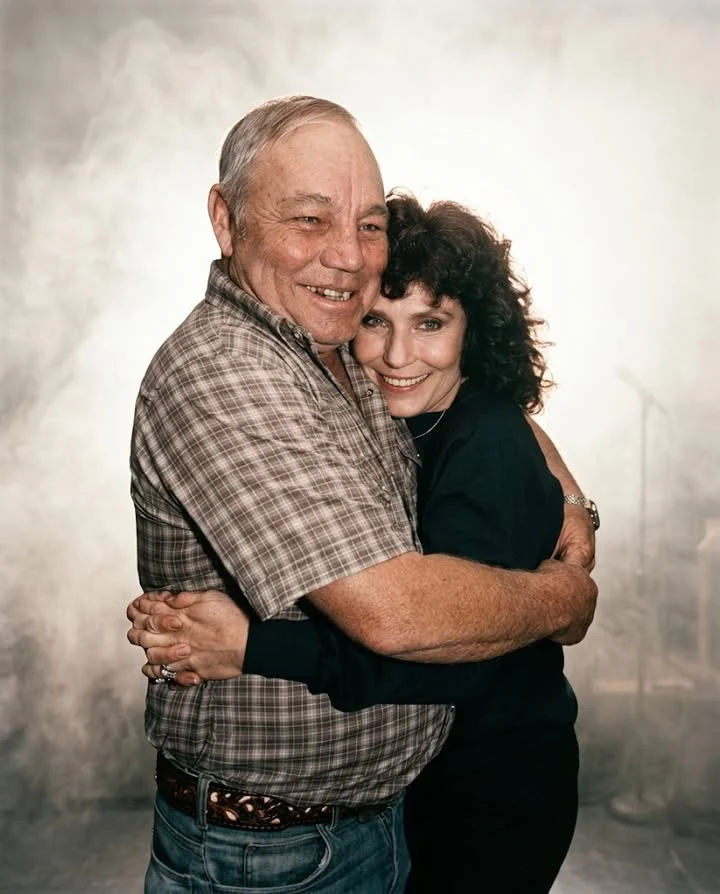
Her marriage to Doolittle held a sharp contradiction. The man who caused decades of tears, infidelity, and public humiliation was also the man who bought her the tool to sing about it. He did not let those songs stay in the living room. He pushed, and sometimes forced, his painfully shy wife under the lights of logging-town bars like Bill’s Tavern in Blaine.
Long before Nashville knew her name, Doo told anyone who would listen that his wife was better than the established stars on the radio. That confidence mattered. It helped a homesick young mother stand up and claim a room.
On that $17 guitar, Loretta crafted her first composition, ‘I’m a Honky Tonk Girl.’ The song was sparked by a devastated woman crying in a local bar after a man left her. Loretta translated that pain into a groundbreaking anthem about a woman carrying sorrow through nightlife.
I’m a honky tonk girl, and I’ve got no place to go
Those words carried the honest voice that would define her legacy. She did not write about idealized romance or sweeping landscapes. She wrote about survival, betrayal, and the fierce pride of standing your ground when the world tells you to stay quiet.
Armed with that raw track, the road to Nashville was far harder than her polished legend suggests. There was no instant record deal and no glamorous debut. Loretta and Doo packed up their 1955 Ford and spent three grueling months promoting the self-pressed record. They lived on bologna sandwiches, slept in the backseat, and pulled into small-town radio stations to beg disc jockeys for three minutes of airplay.
Every scratch on that guitar recorded her transition from an overwhelmed teenage bride to the most fearless storyteller in country music. The industry later crowned her a queen and handed her gold records. The foundation was built on a seventeen-dollar gamble that never left her hands.