
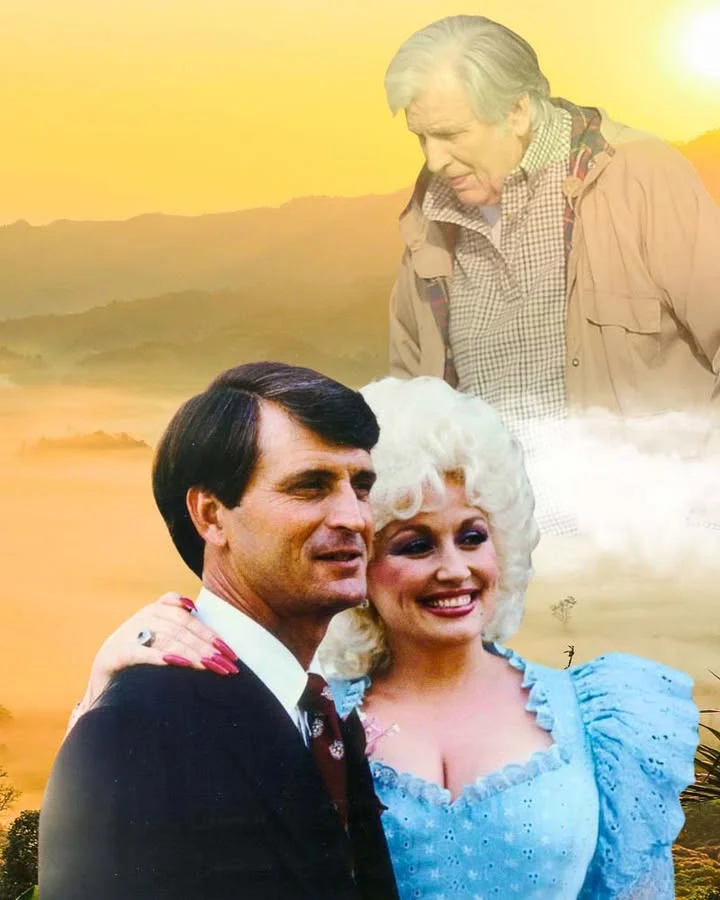
Dolly Parton conquered the biggest stages in music, yet the heart of her story lived away from the glare, in a quiet Nashville home shared with Carl Dean.
Her decades-long marriage survived on a simple promise made far from the spotlight, and that promise began outside the Wishy Washy Laundromat in 1964.
Dolly was eighteen, newly arrived from Sevierville with dirty laundry and a dream of singing on the Grand Ole Opry, when Carl Dean stopped his white Chevrolet pickup truck to speak with her.
Two years later, Monument Records executives urged her to remain single, warning that a husband might hurt the commercial appeal of a rising female artist.
The couple refused to let the music industry dictate their private life, and on Memorial Day, May 30, 1966, they drove across the state line to Ringgold, Georgia, to avoid local media attention.
Inside Ringgold Baptist Church, only Dolly’s mother Avie Lee, the pastor, and the pastor’s wife stood in the room as they exchanged vows in a short, quiet ceremony.
As her career exploded through the late 1960s alongside Porter Wagoner, Carl continued running his asphalt-paving business and chose to remain unseen.
After attending one formal industry banquet with Dolly in 1966, he told her on the drive home that he loved her and supported everything she wanted to do, but he never wanted to attend another industry event.
Dolly respected that boundary completely, and their home became a shelter from the relentless demands of celebrity culture.
While Dolly toured across the globe and became an international household name, their romance unfolded in small, ordinary moments.
Before heading out to his job sites in the early morning, Carl often left handwritten notes and short poems tucked beneath the kitchen coffee pot.
When he brought her flowers, they were often fresh wildflowers gathered directly from the fields surrounding their property.
Whenever long concert schedules concluded, the rhinestones and wigs were set aside, and Dolly returned home to cook southern staples like fried chicken and dumplings.
Over the decades, the couple took quiet, unannounced road trips through rural America in a small camper, ordering meals from roadside drive-through windows where nobody expected to see an entertainment icon.
Carl rarely watched her perform in sold-out arenas, yet he remained her trusted sounding board in the living room, listening as Dolly worked out brand-new melodies on her acoustic guitar.
His honest reactions helped ground her music in authentic storytelling long before the rest of the world ever heard the finished records.
In May 2016, to commemorate their fiftieth wedding anniversary, Dolly and Carl renewed their vows on the grounds of their Nashville home.
Dolly wore an off-white gown, Carl wore a suit, and they kept the ceremony intimate while selling exclusive photographs to raise funds for children’s literacy initiatives through her Imagination Library.
They kept the original humble wedding rings, and the celebration offered a rare public glimpse into a relationship that had thrived away from the cameras.
“Their marriage endured not by merging their worlds, but by keeping their home separate from the noise of fame.”
Behind the bright lights and decades of historic achievements, the foundation remained two young people who built a lasting life together on simple devotion and mutual respect.