
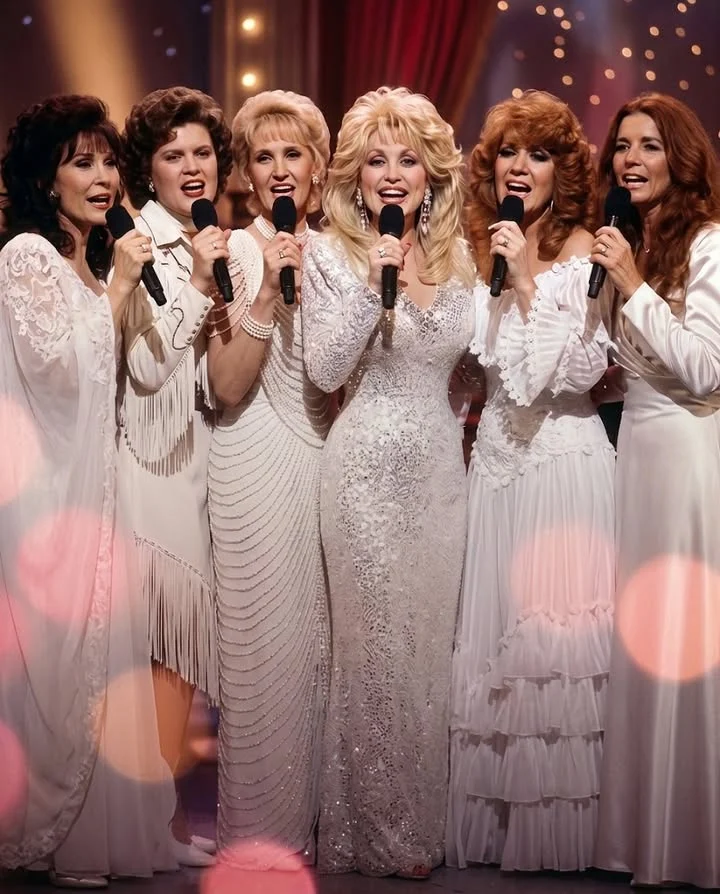
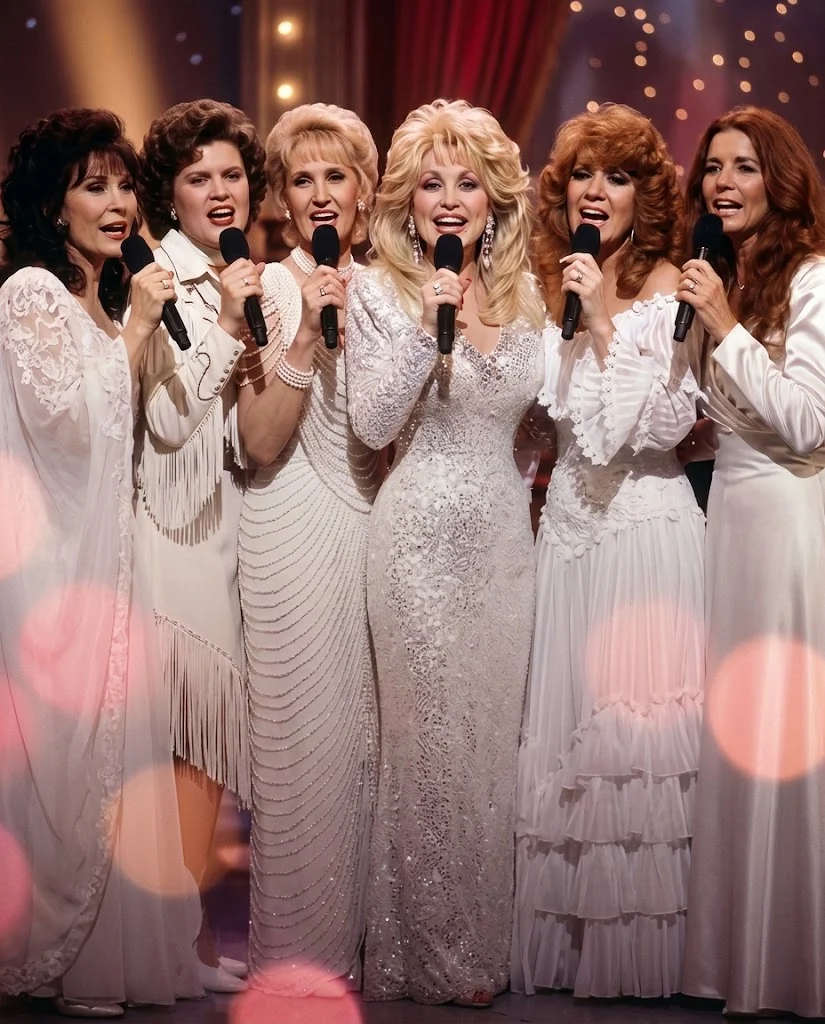
The plane fell from the sky in 1963, and Nashville lost Patsy Cline at thirty. Yet her courage did not die with her. It echoed through dressing rooms, studio doors, and boardrooms where women refused to be quiet. They turned hardship into power and rebuilt Music Row from within.
Country radio once promised female voices would never play back to back. That warning was not a technical limit. It was a wall built by gatekeepers who wanted women to stay decorative. These artists heard the wall and pushed anyway.
They were told country radio would never play female voices back to back.
Kitty Wells struck first in 1952 with an answer song that challenged domestic expectations and reached number one on the country charts. Her victory proved a solo woman could carry sales, airwaves, and audience loyalty.
Patsy Cline arrived with a voice that could melt steel and a spine that refused bending. She joined the Grand Ole Opry eight years after Wells and demanded headliner status. She insisted on equal pay from promoters who had never sat across a desk from a woman expecting the same respect.
Dottie West came to Nashville broke and searching for footing. Patsy did not see a rival. She saw a sister. Patsy handed her rent money, shared stage dresses, and opened doors to industry gatekeepers. That kindness became fuel. West wrote her way into history and took country music’s first female Grammy Award in 1965.
Behind glass, producers wanted polished generic songs chosen by male publishers. Wells, Cline, and West fought for material that matched their real lives and vocal strength. Their stubbornness changed what Nashville allowed a woman to say.
The next wave carried that grit into the late 1960s and 1970s. Loretta Lynn brought coal country into the spotlight. She sang about marital strain, rural hardship, and working class pride without apology. In 1972 she became the CMA’s first female Entertainer of the Year.
Dolly Parton pushed business autonomy even harder. When Elvis Presley wanted to record her self-penned ballad in the mid 1970s, his management demanded half of the publishing rights as a condition. Parton refused. She protected her catalog and kept ownership of her creative future. In 1978 she earned CMA Entertainer of the Year honors.
Tammy Wynette turned working class heartbreak into arena sized resilience. June Carter Cash carried mountain heritage and sharp stage instinct into national broadcasts. Together with the others, they made personal pain into touring power, publishing leverage, and lasting independence.
Museum cases hold trophies, but the deeper history lives in closed door meetings, private sacrifices, and late night studio sessions. Those women did not simply ask for a place on Music Row. They rewrote the terms.