
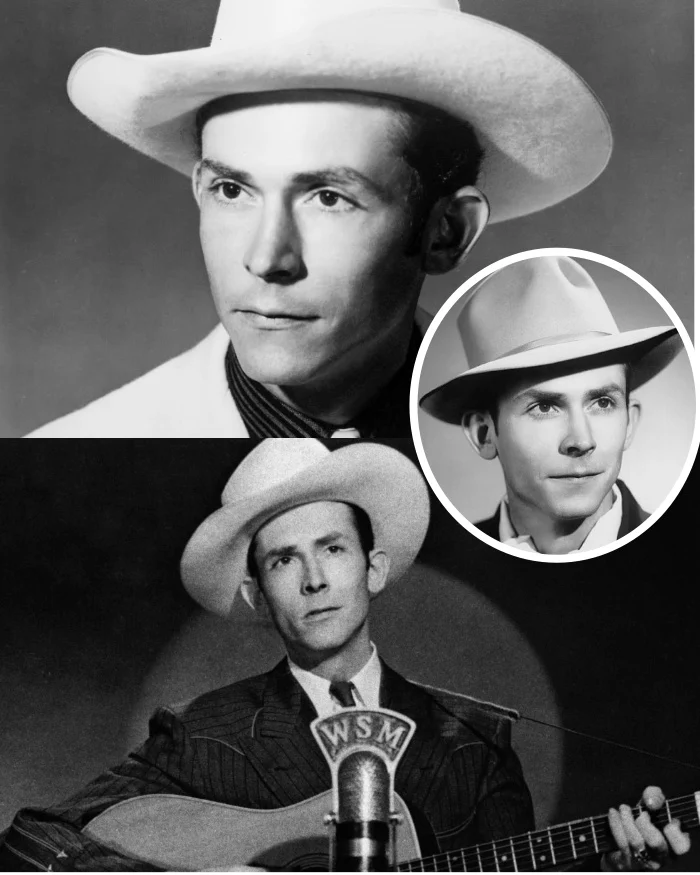
Two in the morning. A roadside diner. A shaking hand gripping a cheap pencil over a fragile napkin. Hank Williams was not chasing polish. He was chasing survival.
He built the modern spine of country music while carrying a pain too heavy for a 29-year-old heart. His voice filled vast auditoriums and made lonely strangers feel seen. Thirty-six hit singles marked an era of longing and loss.
Yet his greatest truth often arrived in smoke and noise. He wrote wherever the world pressed hardest. Stained coasters and diner napkins became emergency pages. Those scribbles were not charming habits. They were desperate catches of feeling slipping away.
The graphite pressed so hard it threatened to snap. A damp coffee ring tore the paper. A teardrop darkened the thin surface. Each verse had to outrun silence.
Hank Williams died on a freezing New Year’s Day in 1953 in the back of a powder-blue Cadillac. The music world did not only lose a star. It lost a future that could never unfold.
His surviving songs still ache because they were not finished in comfort. They were rescued from disappearing moments.
He caught the bleeding truth exactly as it fell leaving no distance between brutal feeling and final word
Many melodies never made it from his head to paper. Some verses stayed trapped in a tired mind. The tragedy lives in that silence.
He did not stop because the music ran dry. He stopped because time refused him another morning.
What remains are weathered survivors still reaching into the dark for one more hand to hold.