
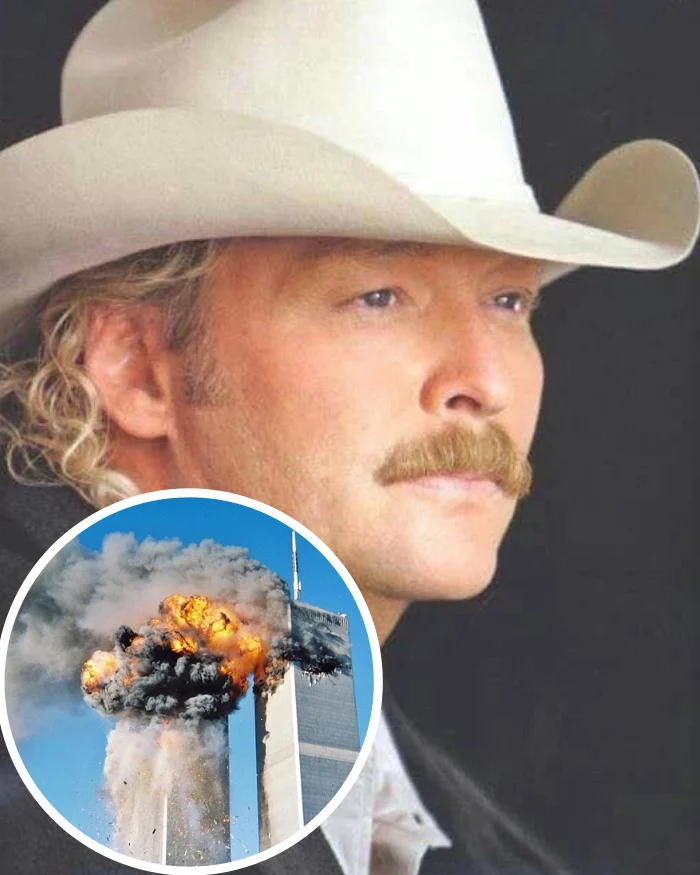

Before dawn on Sunday, October 28, 2001, Alan Jackson woke with a melody that felt bigger than a song. Six weeks after September 11, the country was still stunned. Millions carried a quiet ache and searched for a way to name what had happened. Jackson had not been able to write a single word.
He walked downstairs in his pajamas and hummed the tune into a handheld cassette recorder before it faded. Later, after his wife and daughters left for Sunday school, he stayed in his home office and shaped the verses alone. He did not write about politics, military retaliation, or anger. He wrote about an ordinary person sitting in front of a screen, feeling small, and trying to hold family and faith together while the world looked unrecognizable.
His fear made the song more human. Jackson did not want to release a track tied to national grief because he worried it could look like profit from pain. He shared the rough demo only with his wife, Denise, and longtime producer, Keith Stegall. Their reaction helped him see that the music was offering people permission to grieve without shouting.
On November 7, 2001, he brought the song to the 35th Annual Country Music Association Awards at the Grand Ole Opry House. He wore his white cowboy hat low and chose a sparse acoustic arrangement. When the final chord ended, the auditorium did not burst into applause. It sat motionless, then thousands rose together.
A broken nation heard permission to feel small.
Radio programmers did not wait for an official single. Stations pulled the raw live audio from the television broadcast and put it on the air because listeners demanded it. Inside Arista Nashville, executives debated how to respond. They eventually sent the live performance directly to radio and later included both the polished studio version and the television recording on his upcoming album.
The truest reward came away from charts. First responders, police officers, and families touched by the tragedy wrote letters and spoke quietly with his office. They thanked him not for a battle cry but for a simple melody that recognized their exhaustion. Jackson never wanted to be a political spokesman. He stood under the arena lights and gave a shaken country a gentle way to breathe.