
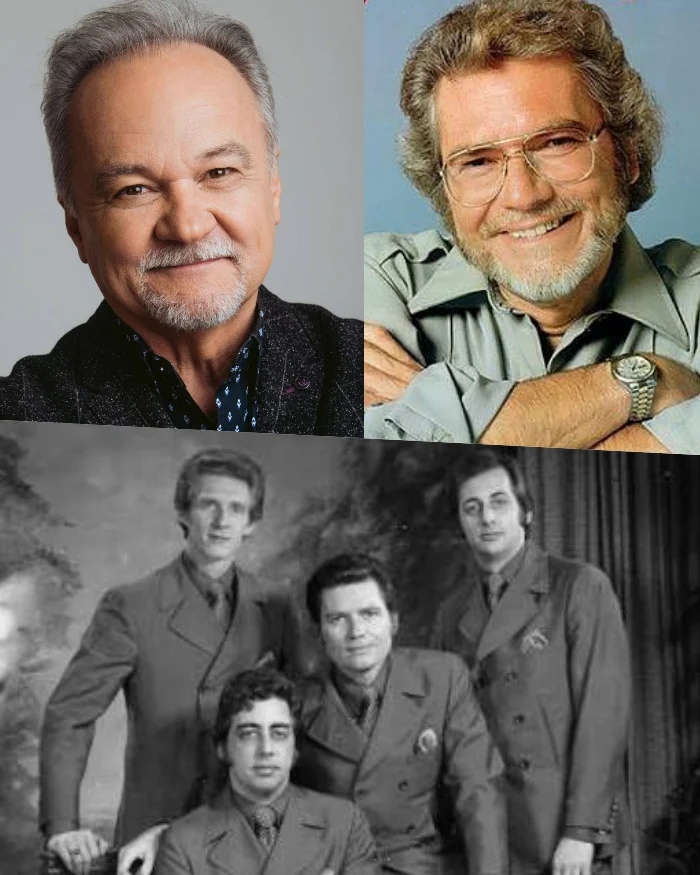
For The Statler Brothers, the hardest silence was not the one between songs. It was the gap left when Lew DeWitt stepped away in 1982 after Crohn’s disease made touring impossible. A founding tenor and the creative spark behind “Flowers on the Wall” had helped build one of the most recognizable four-part harmonies in American music.
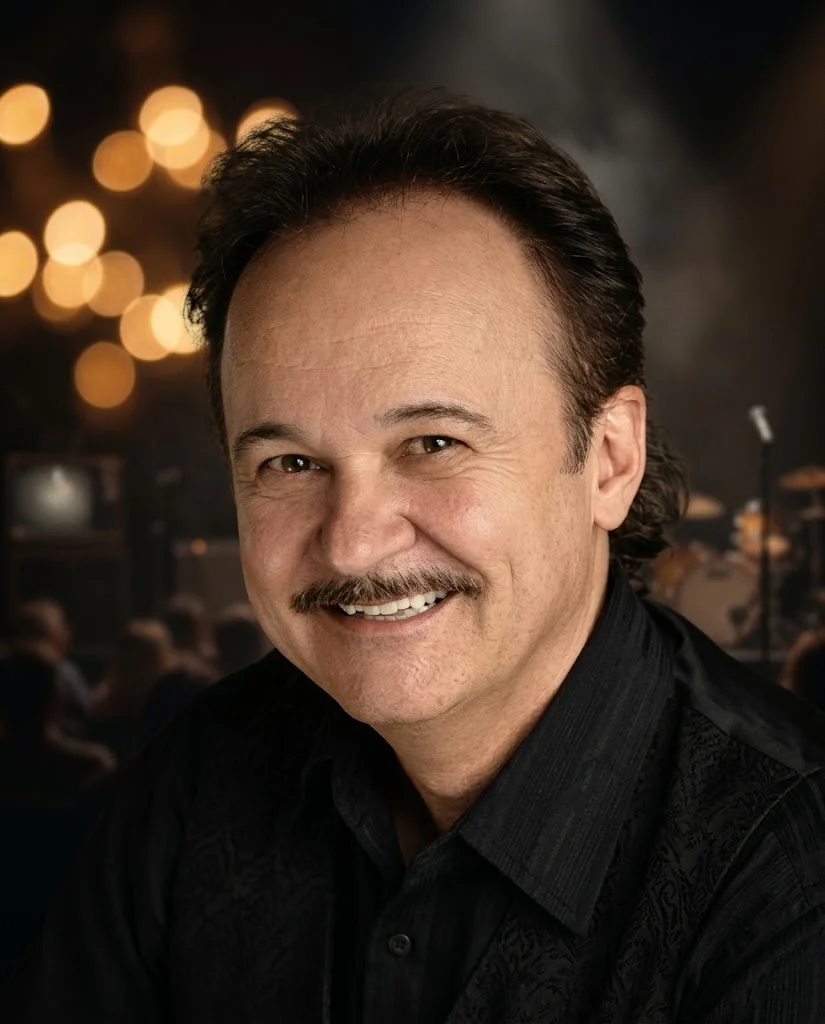
Jimmy Fortune arrived from Virginia with a quiet invitation. DeWitt had heard him singing at a local ski resort and recommended him for the role. Fortune officially became the new tenor in August 1982, and the veteran members needed more than a safe replacement. They needed a bridge to the future.
That bridge began on a 1983 tour bus heading toward Tulsa, Oklahoma. Harold and Don Reid showed Fortune the classic film “Giant,” starring Elizabeth Taylor, because scenes had been filmed in their home state of Virginia. Fortune had never seen it, and the actress on screen captivated him.
Later that night, an enthusiastic fan grabbed Fortune’s hand and told him her name was Elizabeth. The moment sparked a hesitant question. Fortune approached Harold and Don Reid and asked if the Statler Brothers would record a song he wrote. The veterans did not dismiss the newcomer. They gave him a simple challenge. They said they would record it if it was good enough.
Fortune stayed awake that night and wrote his first song. The next day he played “Elizabeth” for Harold and Don Reid. The delicate romantic ballad felt different from the nostalgic storytelling and baritone-driven humor that had defined the group. Still, the veterans made a bold choice. They placed it on “Today,” their first album with Fortune, and stepped back from the microphone so their youngest member could take the absolute lead.
Released in late 1983, “Elizabeth” rocketed up the charts and reached No. 1 on the Billboard country chart by March 1984. The triumph proved that a group rooted in the 1960s could still dominate a rapidly shifting era of country music. Fortune followed with more No. 1 songs, including “My Only Love” and “Too Much on My Heart.” His fresh romantic energy opened a door for a new generation, and the group earned multiple CMA Vocal Group of the Year awards throughout the decade.
The story later came full circle in Arizona, when the Statler Brothers were invited onto a movie set to sing “Elizabeth” directly to Elizabeth Taylor. Yet the deeper victory happened in theaters across the country.
Longtime fans who had arrived missing DeWitt’s familiar presence heard clear, soaring tenor notes taking the lead. They exhaled. The song became a bridge between two eras. It proved the veterans had not hired a shadow to replace a founding voice.
They trusted him to write their future
By stepping back and letting Jimmy Fortune sing, The Statler Brothers did more than save their harmony. They gave themselves a second golden era.