
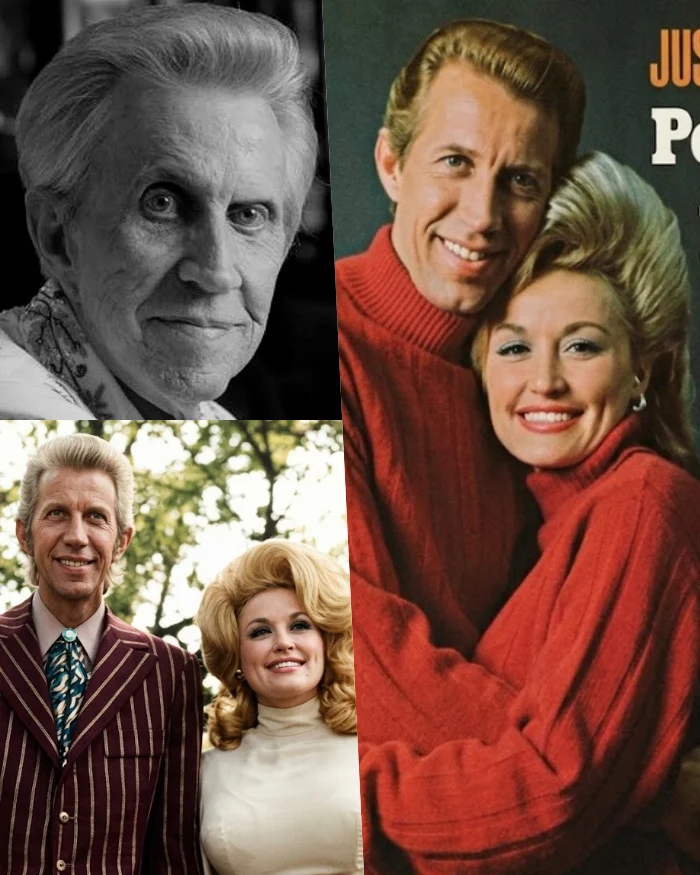
Nashville hospice room, fall 2007. The cameras were gone. The lawsuits were over. Dolly Parton sat beside Porter Wagoner and held his hand while his family prayed. That quiet vigil ended a feud that had once filled country music headlines.
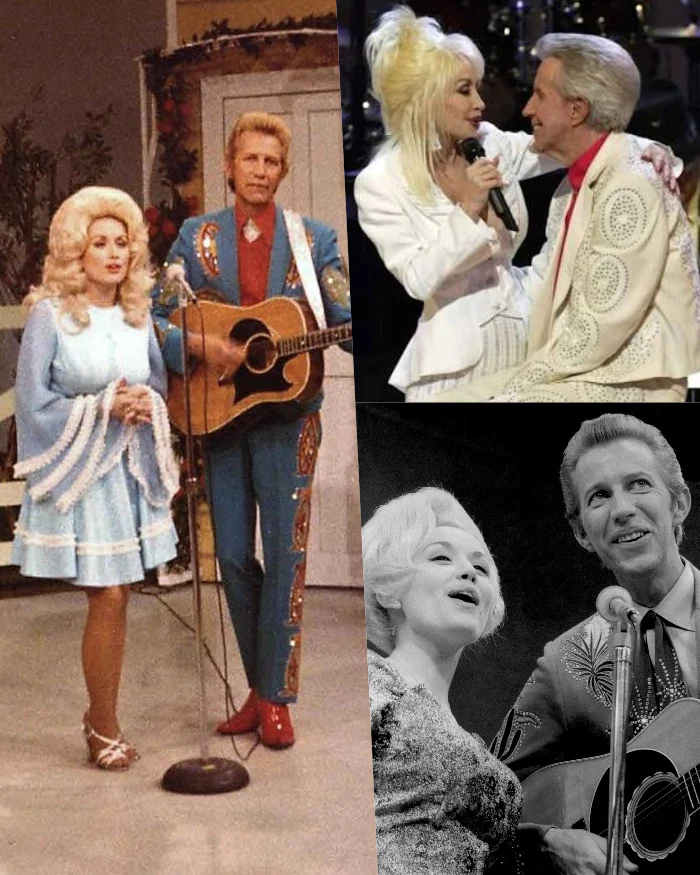
The bond between them began in 1967. Wagoner opened a national television door for a young singer from the Great Smoky Mountains. Parton stepped through it and became one of country music’s most celebrated duos alongside her mentor. Their tours carried them across America and turned a humble partnership into a landmark career.
Her departure for a solo path in 1974 changed everything. The split grew into a historic breach of contract lawsuit in 1979. Wagoner sought three million dollars because he wanted a continuing share of her rising solo earnings. The matter settled out of court, yet the courtroom battle severed their personal relationship and left years of silence in its place.
When Wagoner faced severe debt late in life, Parton chose to remember the open door rather than the bitter courtroom days. She quietly used her own money to buy his entire music publishing catalog. That catalog held rights to roughly two hundred of his songs. The private purchase rescued him from bankruptcy and kept record labels and creditors from taking his life’s work.
She did not just forgive the man who once fought her in court. She handed his dignity and his life’s work back to the people who loved him most.
The rescue did not end in a business ledger. As Wagoner’s health declined from lung cancer, Parton came to his bedside in 2007. Away from industry executives and flashing cameras, she prayed with him and his family during his final hours. The old public bitterness faded in that room.
After Wagoner died, Parton made one final legal move. She transferred full ownership of the profitable publishing catalog directly to his children, Richard, Denise, and Debra. She took no reimbursement for the sum she had spent. The catalog became a permanent royalty-generating inheritance for the Wagoner family.
Parton had once written a legendary farewell song to find her own voice. Years later, she used her immense success to protect the legacy of the man who first gave her a microphone. Her quiet act turned a complicated Nashville chapter into a story of mercy, memory, and restored honor.