
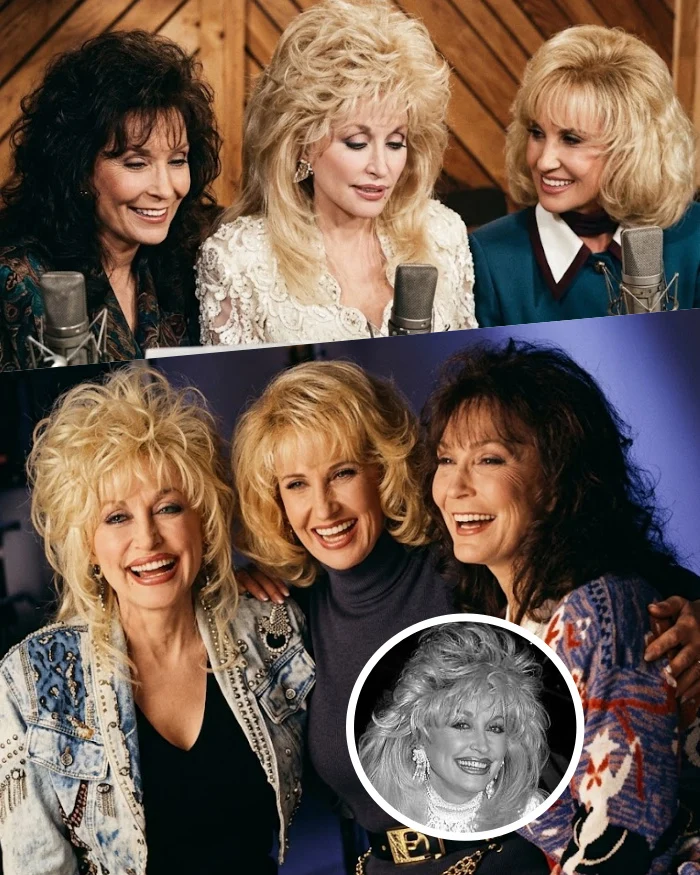
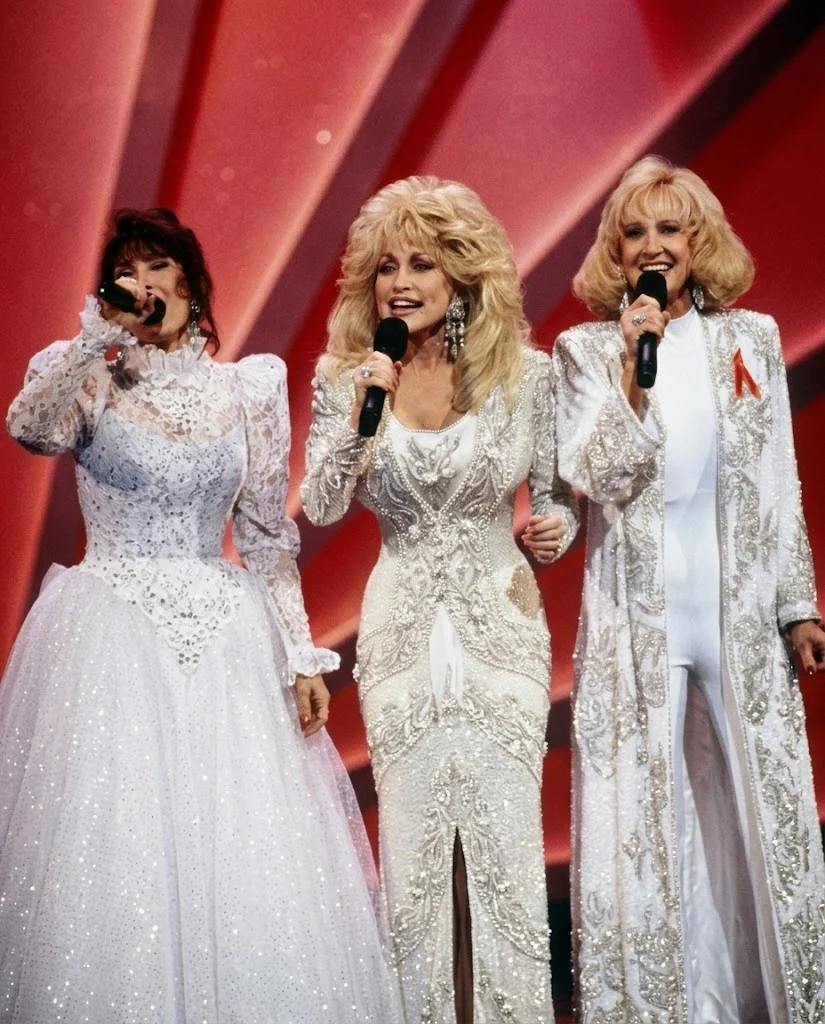
When the tabloids turned their spotlight into a cruel glare, Tammy Wynette still had two friends willing to stand in front of her. Dolly Parton and Loretta Lynn did not just make a record in 1993. They built a protective circle around a woman the public had begun to treat as a headline instead of a legend.
By the early 1990s, Tammy had survived dozens of major medical procedures and chronic intestinal inflammation. Years of pain and public scrutiny had worn down the body that carried one of country music’s most recognizable voices. The commercial industry was drifting toward newer trends, while sensational stories often crowded out the memory of her monumental artistry.
Dolly refused to let that voice fade into silence. She helped shape the idea for Honky Tonk Angels, a collaborative project that brought the three defining women of modern country music together under one marquee. Loretta joined the mission, and the two offered Tammy more than a studio date. They offered dignity, patience, and a place among peers who understood the cost of a long career under lights.
The album arrived in the fall of 1993 through Columbia Records. Steve Buckingham and Dolly Parton produced the sessions, drawing on iconic traditional material and adding guest appearances from pioneering voices such as Kitty Wells, Patsy Montana, and Brenda Lee.
Inside Nashville’s tracking studios, the schedule became a quiet act of care. The team arranged every session around Tammy’s stamina. Dolly and Loretta kept the room patient and unhurried, letting Tammy step to the microphone only when she felt strong enough. There were no rigid deadlines, no harsh pressure, and no judgment.
Between takes, the studio lounge carried shared laughter and home-cooked comfort food brought in by Dolly and Loretta. When fatigue pulled Tammy back, production paused naturally. Engineers used the time to prepare acoustic arrangements and harmony tracks designed to lift her signature vocal timbre.
The most powerful part of the project was never the chart position. It was the choice to protect a friend’s place at the top table.
The lead single, a stirring rendition of the standard Silver Threads and Golden Needles, revealed the natural balance among three distinct voices. The music video placed Dolly, Loretta, and Tammy side by side in equal prominence, directly challenging any notion that Tammy’s career had dimmed.
Listeners and critics responded with warmth. The album earned Gold certification from the Recording Industry Association of America after sales exceeded 500,000 copies. It also received a Grammy Award nomination for Best Country Collaboration with Vocals and reminded the music world of the enduring power of traditional country storytelling.
For Tammy, the triumph offered a meaningful artistic resurgence during a difficult decade. Standing shoulder to shoulder with Loretta and Dolly gave her a protective artistic sanctuary. The collaboration proved that deep fellowship and sisterhood could mean far more than commercial competition.
The historic record remains a lasting testament to loyalty in Nashville. Dolly and Loretta did not simply assemble a hit album. They used their collective stature to shield Tammy Wynette’s dignity and ensure her voice stayed honored where it truly belonged.