
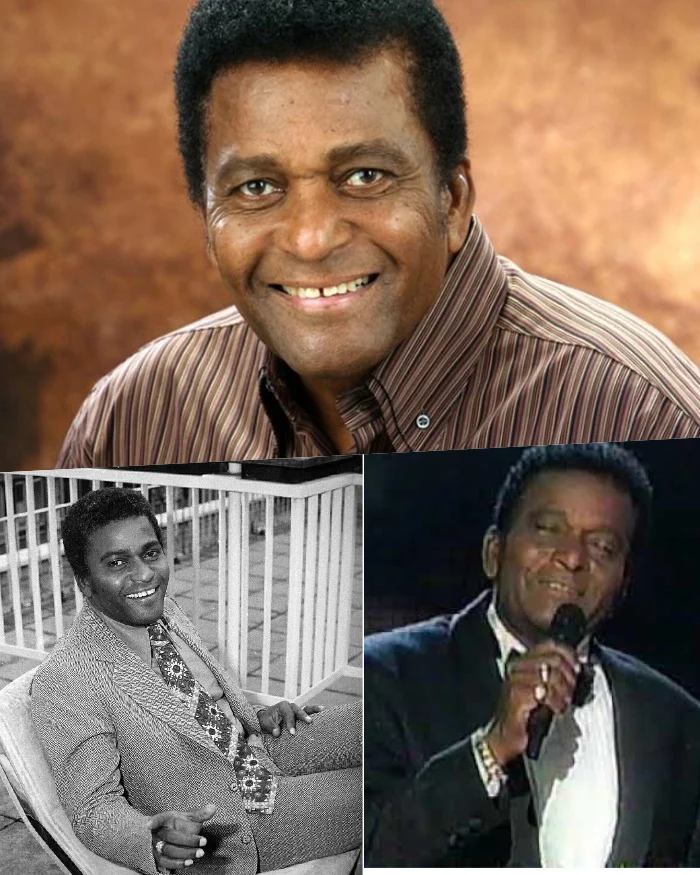
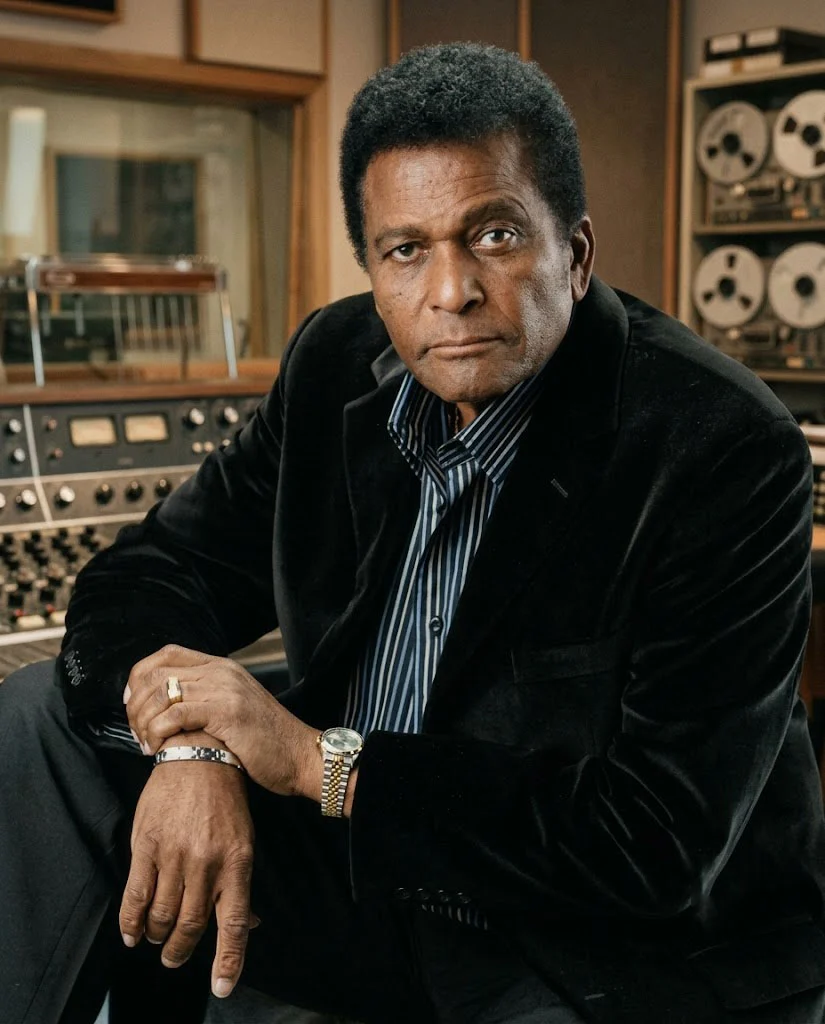
The room went still long before the applause arrived.
For Charley Pride, that stillness was not empty.
It was a doorway he had to cross again and again before country music could hear him clearly.
He carried a voice smoother than polished wood, and he carried a history no microphone could hide.
Before the standing ovations, before the award for Entertainer of the Year in 1971, before Kiss an Angel Good Mornin made him a household name, he was a Black man stepping into a country music world that often guarded its door.
He had been a baseball player.
He had been a dreamer.
He had been one of eleven children raised in Mississippi, where longing and labor shaped a man who would later make silence feel like a song.
That is why his recording of Silence carries such weight.
It is not only the quiet after love has gone.
It is the pause after a stranger looks twice.
It is the breath before a crowd decides whether to clap.
It is the lonely space where a man must choose grace without knowing whether grace will be returned.
Charley did not answer exclusion with rage.
He sang.
His voice rose warm and steady, wounded and dignified.
There was steel beneath it, not the kind that cuts, but the kind that holds.
He made people hear him when some rooms were not ready to see him.
By 1971, the Country Music Association crowned him Entertainer of the Year.
That honor did not erase the quiet rooms that came before it.
It proved something country music could no longer avoid.
He belonged.
He had always belonged.
Charley Pride passed in 2020.
Yet when his records play, that old quiet still breaks open.
From it comes a voice history could not keep out.
Some voices do not break silence by shouting, but by singing so steadily that history has no choice but to listen.