
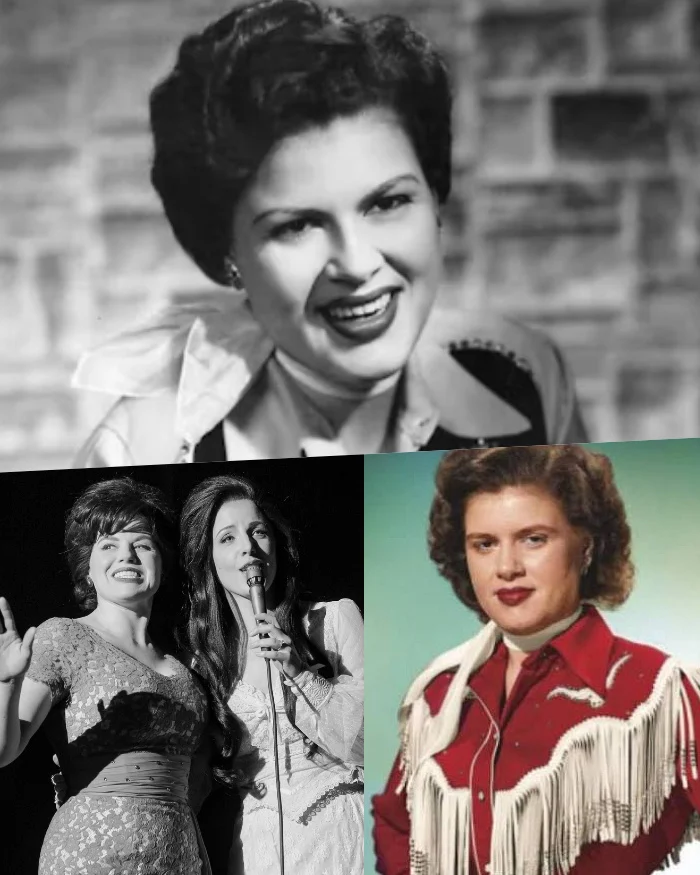
The most painful part of Patsy Cline’s death was not the crash. It was the calm way she had been saying goodbye long before her plane fell into a Tennessee forest in March 1963.
After a benefit concert for a fallen radio DJ in Kansas City, Dottie West offered to drive Patsy safely back to Nashville. Patsy almost accepted, then chose a small plane instead. Before they parted, she gave Dottie a quiet truth that felt too final to be taken seriously.
Don’t worry about me. When it’s my time to go, it’s my time to go.
Two days later, that plane went down, and Patsy Cline died at age thirty. The tragedy shook country music, but the deeper chill came from how steadily she had prepared for it. Since a near fatal car wreck in 1961, she had carried a certainty that her time was short.
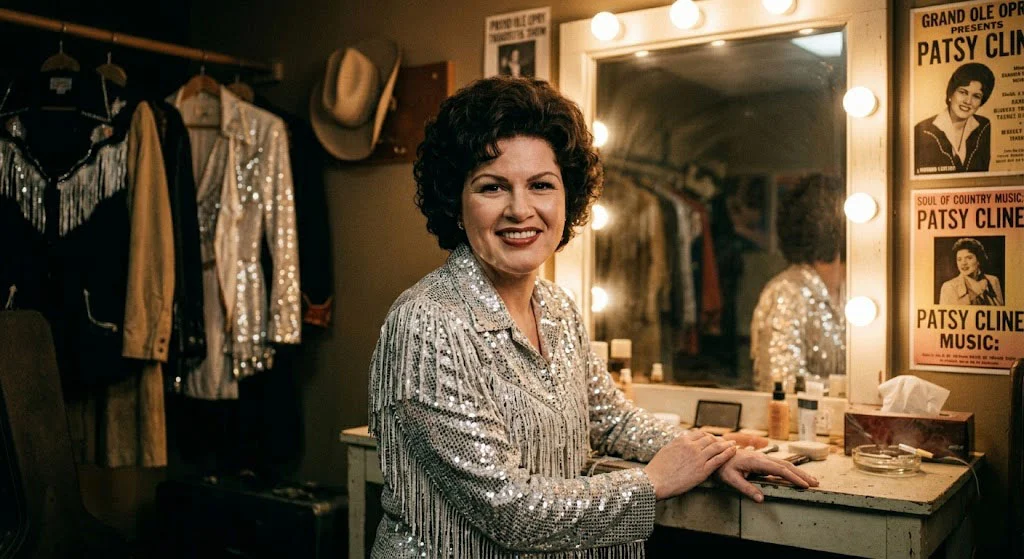
She did not scream or fight fate. She made arrangements. She gave away beloved stage dresses and jewelry to friends. She told loved ones exactly how much they meant to her. She named the songs she wanted the world to remember. Those gestures looked like exhaustion or sentimentality, not a warning.
Behind the crown, Patsy was already the most powerful woman in country music. Her rich contralto voice had crossed Nashville and pop radio, and hits like Crazy and I Fall to Pieces made millions feel understood. She had also become the first female artist to command a headlining tour, yet fame could not erase the scar on her forehead or the fear in her bones.
Dottie West never forgot that Kansas City goodbye. She carried it for the rest of her life, repeating it whenever someone asked about Patsy. Only later did Dottie understand that Patsy had not been asking for comfort. She had been preparing her friend for loss.
And Dottie was not alone in receiving that strange farewell. The night before, Patsy had spent time with Loretta Lynn. The two women had grown close while navigating a brutal industry together. Before leaving, Patsy handed Loretta a personal memento, then said she did not expect to be around much longer. Her voice was calm, and there were no tears.
The real story is not only the crash. It is the quiet heartbreak of a woman saying goodbye in plain sight while the people she loved were not ready to hear it.