
At first the radio made it feel like a celebration. Boots tapped. Shoulders swayed. A bright guitar line pulled listeners into a cheerful country groove. Then the words arrived like a quiet door closing on a man who could not stand.
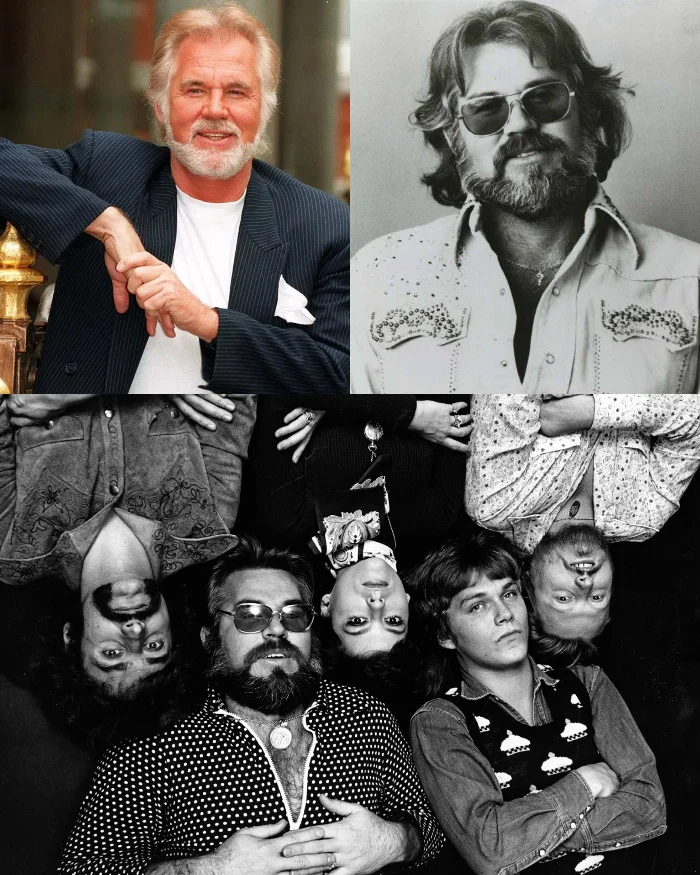
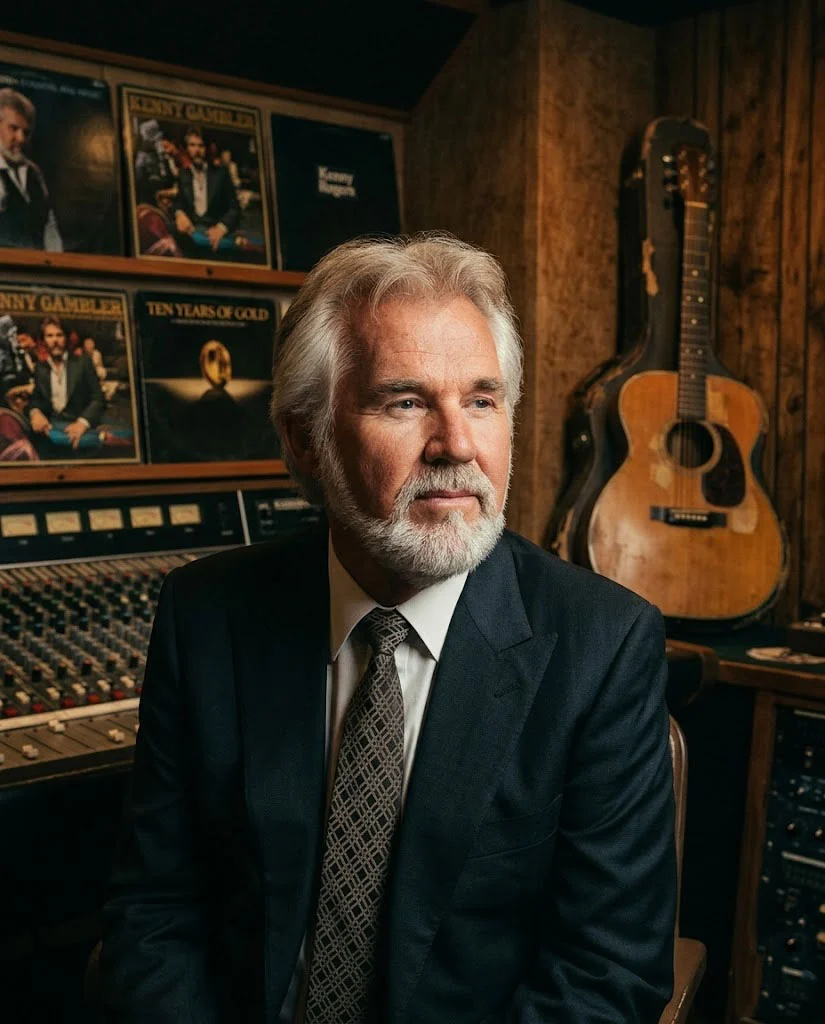
Kenny Rogers gave the world a trusted voice through classics like “The Gambler”, “Lucille”, “Lady”, and “Islands in the Stream.” He sold more than one hundred million records. He won three Grammy Awards. He earned a place in the Country Music Hall of Fame. His warm raspy baritone carried strength and storytelling that made millions feel understood.
With “Ruby, Don’t Take Your Love to Town” he turned that trust into a devastating illusion. The melody was lively and impossible to ignore. The story was a silent scream from a paralyzed veteran trapped in a dark living room.
He was broken by a distant war. He could only watch the woman he loved paint her lips, fix her hair, and walk toward the door. He knew where she was going. He knew he could not be the man she needed. He begged her to stay and offered forgiveness before she even turned the handle.
The true horror was not only that she was leaving. It was that his body was so broken he could not rise, block the door, or pull her back into his arms. He sat in the shadows, a prisoner of his own sacrifice.
Kenny Rogers did not just sing a hit. He forced a dancing nation to feel the invisible wounds of war, the quiet casualties that bleed long after the guns fall silent.
That contrast made the song unforgettable. The upbeat rhythm masked the agony of helplessness. The cheerful arrangement made listeners carry a wounded soldier’s plea into their homes without realizing it.
He proved that sometimes the most devastating heartbreak does not sound like a tragedy at all.
It sounds exactly like a song you cannot stop tapping your feet to.