
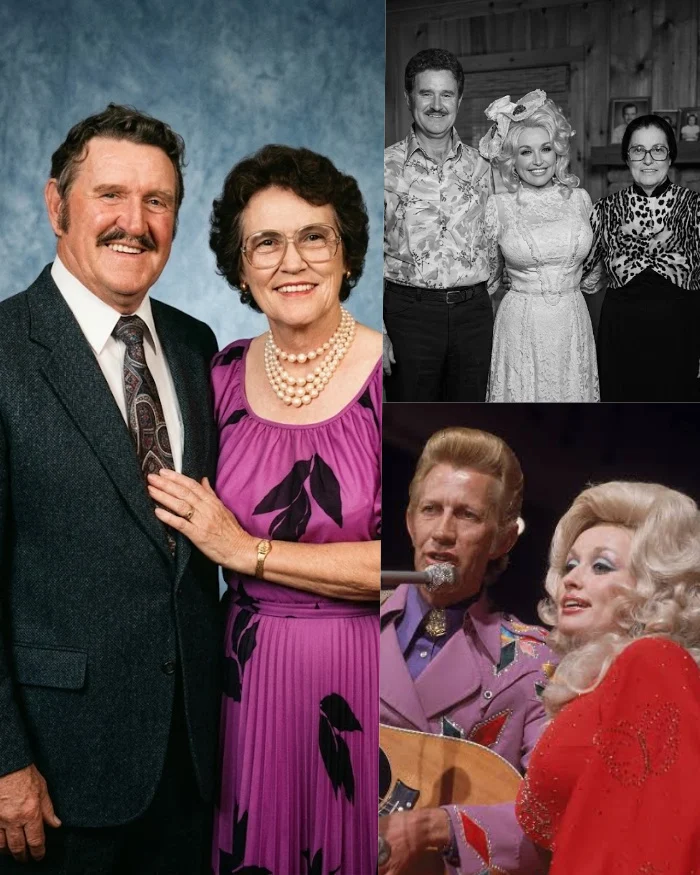
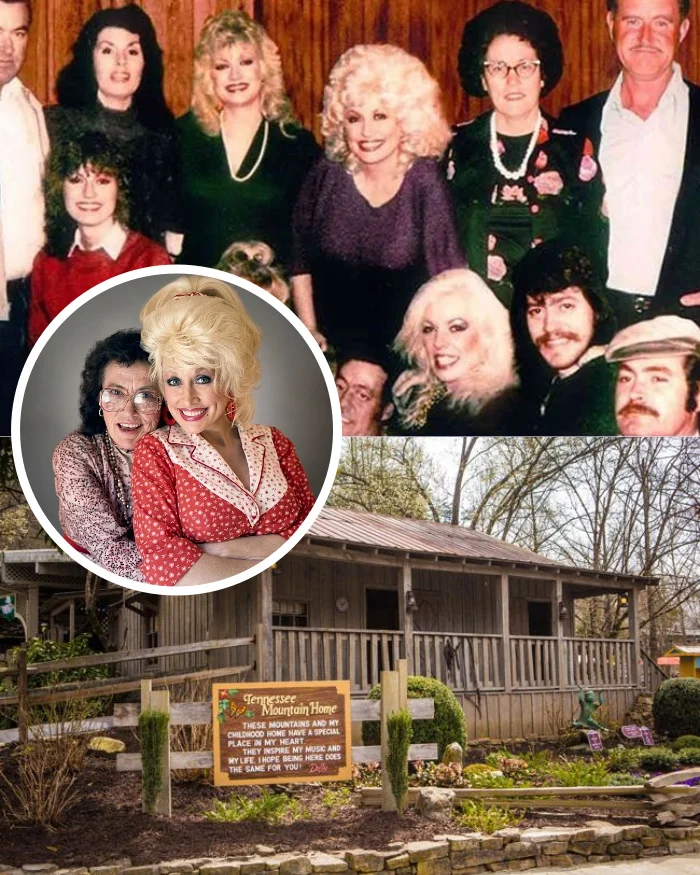
The first keys Dolly Parton wanted to hand over were not for a Nashville mansion or a sports car. They opened a warm mountain home for Robert and Avie Lee Parton in Sevier County Tennessee.
Her career changed in the late 1960s after she joined The Porter Wagoner Show. Audiences across America heard her voice, and her first major financial breakthrough arrived. Yet she did not chase luxury. She chased a deed that could erase the freezing drafts of her childhood cabin.
She traded platinum dreams for a furnace that could keep her parents warm.
For years her parents had raised twelve children in a one-room wooden shack at Locust Ridge. The home had no electricity, no indoor plumbing, and no central heat. Winter wind cut through the walls, and water had to be carried from a spring.
The new house gave them a permanent sanctuary large enough for the whole family during holidays. For the first time they could turn on hot water and rely on a furnace. Parton kept the home near the familiar ridges of the Smoky Mountains instead of moving them into an isolated wealthy neighborhood.
She wanted to lift their poverty without erasing their roots. The daughter once born on a bed of straw had become the protector of the family. Her medical bill was paid with a sack of cornmeal, and the new home answered a lifetime of scraping by.
Avie Lee sewed scraps into clothes while Robert fought through snowstorms just to put food on the table.
Adjusting to comfort was not simple. Avie Lee Parton declined hired household help and continued cooking, cleaning, and canning with her own hands. Robert Parton refused to adopt the wardrobe or habits of a wealthy man.
The family made a quiet rule. The money could change their address and warm their winters, but it could not change their mountain character.
That grounded home became the anchor behind decades of global fame. For Dolly Parton, industry applause meant little if it could not buy peace for the two people who sacrificed everything for her survival.