
Avie Lee Parton stood in a kitchen that had never belonged to her family before and turned a metal knob. Hot tap water rushed into the sink. For the first time in a life spent hauling water, scrubbing clothes in freezing river current, and cooking over a smoky wood stove, she quietly cried.
That single moment held the weight of a promise Dolly Parton had carried since childhood. When her first major royalty checks arrived in Nashville, she did not chase industry luxuries. She bought her parents a brick house with a hot water faucet.
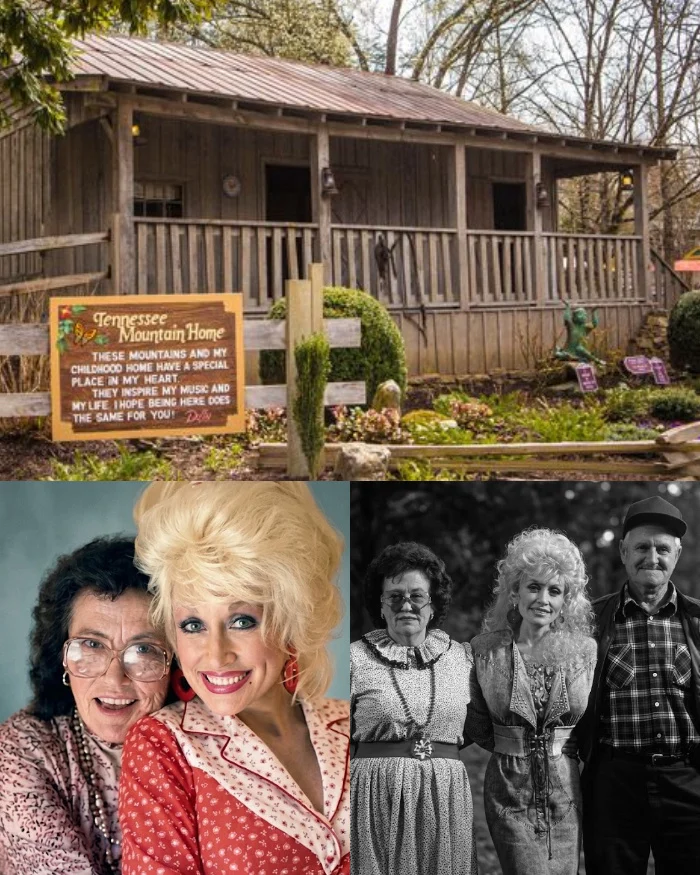
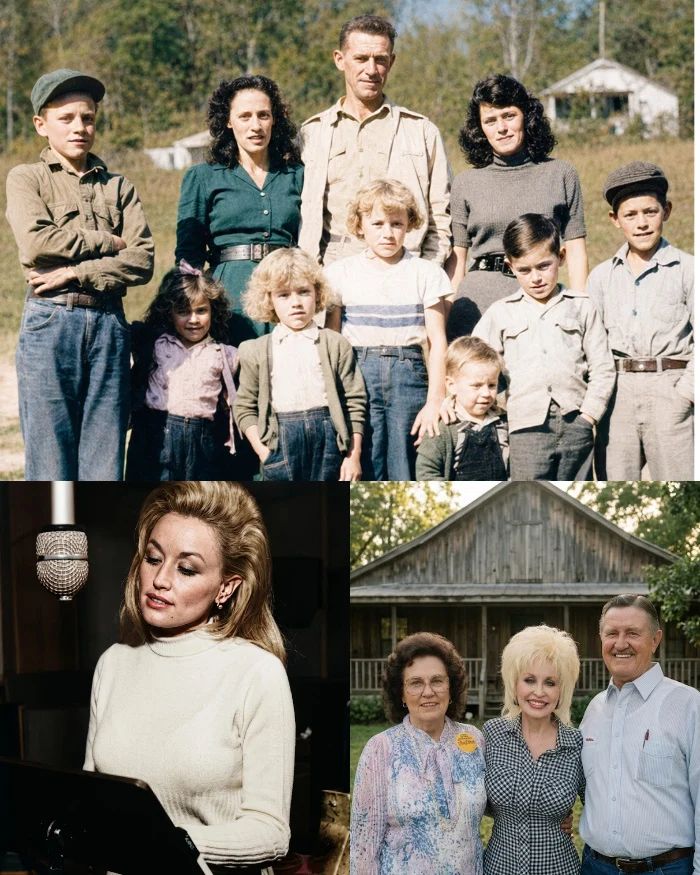
Robert and Avie Lee Parton had raised 12 children in a drafty, one-and-a-half-room wooden cabin near the Little Pigeon River. The home in Locust Ridge had no electricity, no indoor plumbing, and little shelter against bitter Smoky Mountain winters. Every warm meal, every bath, and every dry night demanded exhausting labor from both parents.
Her initial commercial breakthroughs came through hit singles and regular appearances on The Porter Wagoner Show after she accepted a permanent spot in 1967. The weekly salary, combined with rising record royalties, finally gave her the financial leverage to relocate her parents to a spacious permanent home on flat ground in Tennessee.
Alongside the deed, Dolly handed her father the keys to a brand-new truck. Robert Lee Parton had spent years walking miles or borrowing vehicles to keep his family afloat. He was a hardworking farmer who never learned to read or write, yet his children received his fierce love through constant labor. The new house and truck lifted a lifelong, invisible burden of guilt over the poverty they had endured.
The heaviest weight was lifted in the kitchen
Avie Lee had washed clothes for 14 people in freezing river water and managed a massive household without a single modern convenience. The new home brought indoor heating, a real bathroom, and a kitchen where water flowed from a tap instead of a bucket. Her tears were not about fame or size. They were about rest, dignity, and survival finally eased.
Years later, Dolly would build an entertainment empire with awards, sprawling estates, sold-out global tours, and platinum records. Yet no later purchase carried the same emotional gravity as that first brick house. Her voice changed her career, while that single act of family loyalty changed her parents’ lives.