
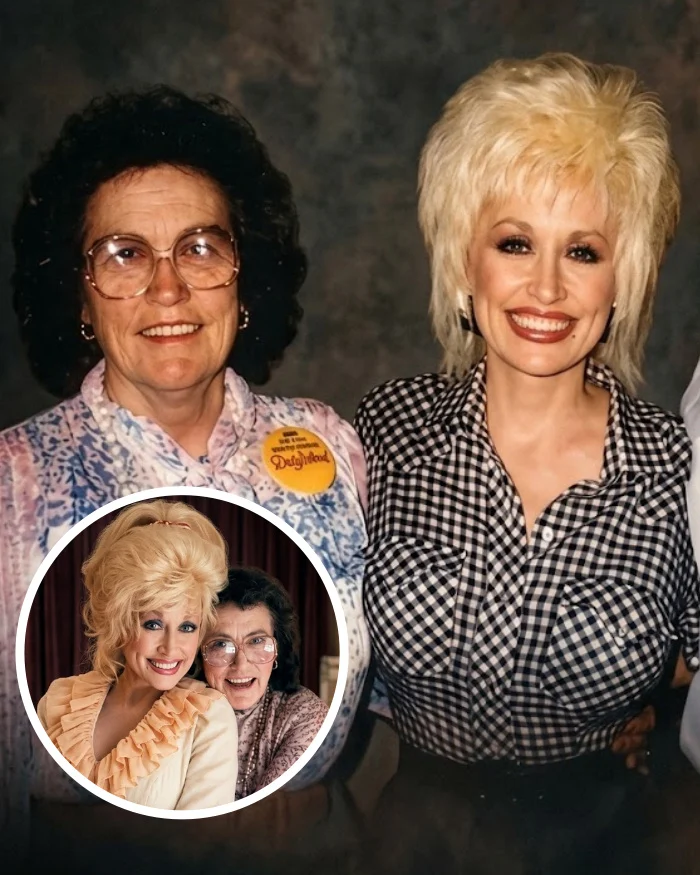
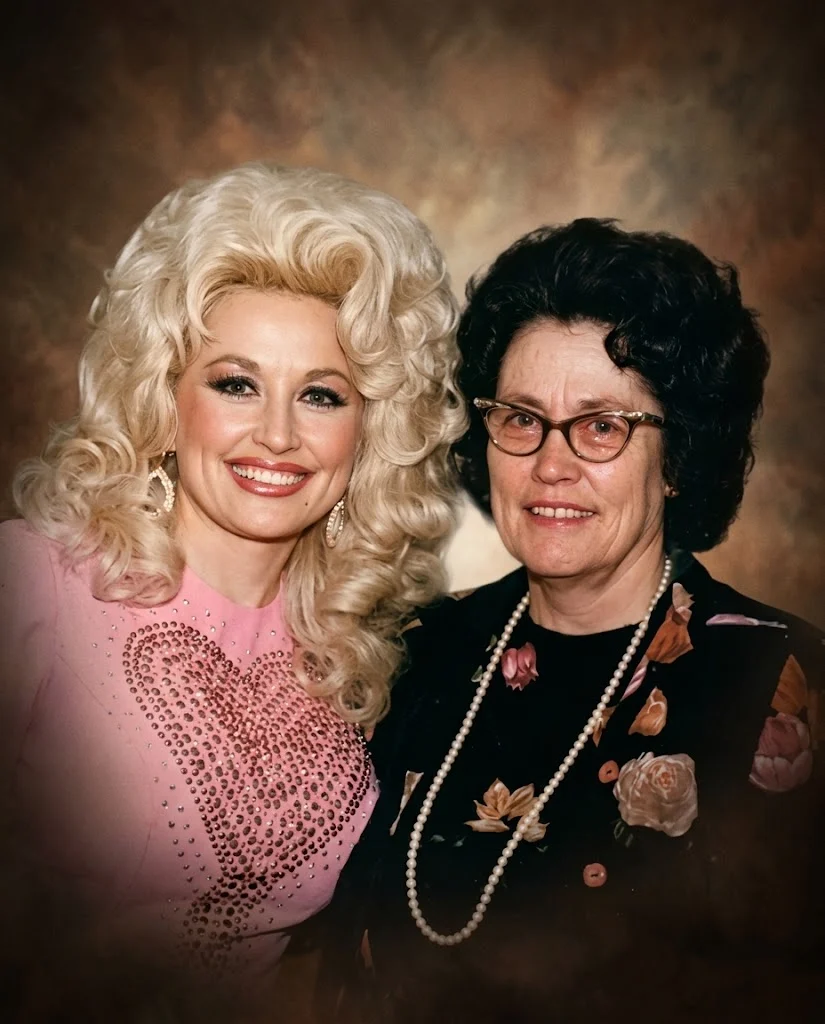
The playground tears came first. They came for a coat stitched from rags, a mother’s exhausted hands, and a little girl who believed she wore something precious. Years later, those same tears helped Dolly Parton write one of country music’s most personal songs on the back of a dry cleaning receipt.
In the fall of 1971, Dolly rode on a tour bus and felt a flood of childhood memories. She had no proper notepad, so she grabbed a dry cleaning receipt belonging to Porter Wagoner, her duet partner and boss, and frantically scribbled the lyrics to “Coat of Many Colors.” The song reached No. 4 on the Billboard Hot Country Singles chart and became the defining autobiographical anthem of her career.
The true story began long before Nashville. It began inside a drafty one-room cabin in the Great Smoky Mountains of Sevierville, Tennessee. The Parton family was destitute, with twelve children to feed and harsh rural Appalachian poverty all around them. As winter approached, Avie Lee Parton gathered a box of discarded rags and stitched a mismatched winter coat for her daughter from scraps of corduroy and cotton.
As she sewed, Avie Lee told Dolly the biblical story of Joseph and his coat of many colors. She wove that story into the garment and convinced her daughter the coat was priceless. Dolly walked into the schoolhouse bursting with fierce pride, believing she wore a garment richer than anything money could buy.
The laughter struck hard. Classmates mocked her, and the dirt playground became a place of humiliation. Her tears were not only about clothing. They were the shock of seeing the outside world look at her mother’s quiet sacrifice and reduce it to poverty. That pain changed how she understood class, judgment, and dignity.
“Her mother turned discarded rags into a shield of love, and Dolly turned discarded paper into a country standard.”
Fans later asked what happened to the coat. The original had been lost to time, worn down through daily use and repurposed into cleaning rags as part of the relentless cycle of poverty. Years later, while preparing exhibits for the Chasing Rainbows Museum at Dollywood in Pigeon Forge, Tennessee, Avie Lee Parton hand-sewn an exact replica from new fabric scraps. That recreated coat now sits behind museum glass, protected from weather and judgment.
Porter Wagoner recognized the weight of the song. He framed the original dry cleaning receipt and gave it back to Dolly, preserving the moment she finally found the words to defend her mother’s work. “Coat of Many Colors” shifted the definition of wealth for millions of listeners. It proved that family dignity cannot be measured by a price tag, and that a coat made of rags could outlast every rhinestone in Nashville.