
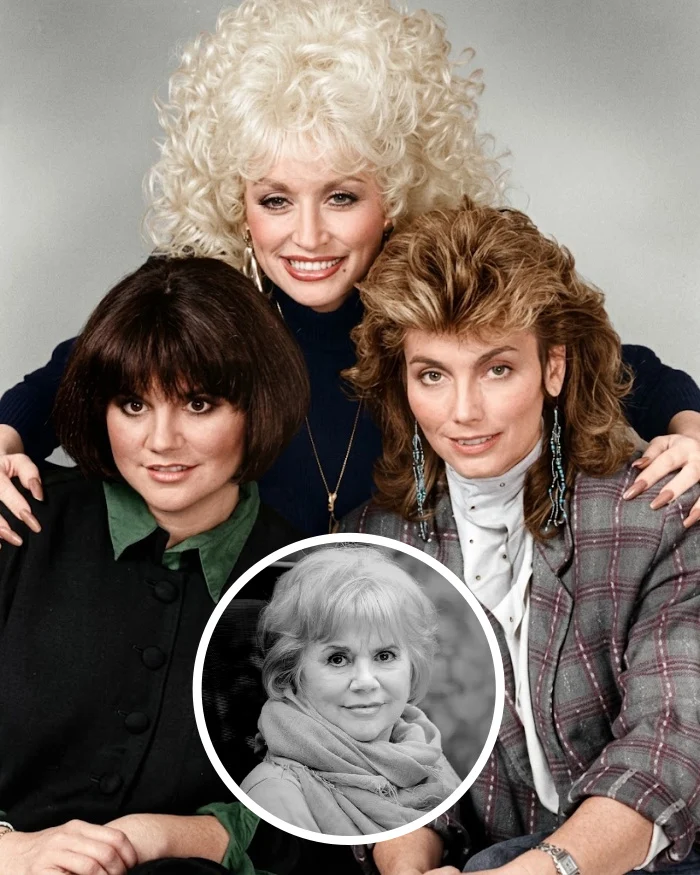

When Linda Ronstadt could no longer sing in 2013, the silence struck the world, but Dolly Parton chose to fill it with loyalty.
Dolly had spent decades under bright lights and global applause, yet the harmony that endured most was not found in a stadium. It lived in the steady presence she offered a dear friend when music became a memory rather than a daily gift.
Their story began long before records and awards. In the mid 1970s, Dolly emerged from the Smoky Mountains, Linda rose through California pop and rock, and Emmylou Harris reshaped progressive country. Three powerful voices arrived from different roads, yet they met around pianos, kitchen tables, and late night song circles.
Their sisterhood grew from simple singing. The three women loved three part mountain harmonies, and the joy they found together crossed genre lines and industry rivalry. They were not building a brand. They were recognizing family in sound.
Turning that bond into a landmark album took patience. An early attempt in 1977 stalled under conflicting contracts and relentless touring, but rehearsal tapes and unfinished arrangements kept the dream alive.
When schedules finally aligned in 1987, the trio entered the studio with producer George Massenburg. The result was Trio, a record that wove country, folk, and rock into a double platinum triumph and won two Grammy Awards. It proved that roots music could reach millions when carried by honest hearts.
The partnership deepened with Trio II in 1999. The albums became permanent touchstones, but the truest chapter would unfold away from consoles, charts, and spotlights.
In 2013, Linda revealed that progressive supranuclear palsy, a rare neurodegenerative condition, had taken her ability to sing. For listeners, it was a devastating loss. For Dolly, it became a call to stand closer.
At the Rock and Roll Hall of Fame induction in 2014, Linda could not take the microphone. Friends and peers carried her catalog into the room, and Dolly made sure her voice remained honored, remembered, and unmistakable.
The most powerful tributes were not televised. When Dolly traveled to California, she visited Linda in San Francisco without cameras. They held hands, shared ordinary moments, laughed, and let friendship speak in the quiet.
Those visits were not about platinum plaques or historic milestones. They were about two women who had known the weight of being pioneers in a demanding industry and who still chose presence over performance.
“A promise kept beside a friend can echo longer than any song.”
Years after the studio harmonies faded, the bond remained. Dolly continued to carry Linda’s name with reverence in interviews and appearances, refusing to let illness erase a legacy built on courage and artistry.
Their story is not merely a celebration of gold records. It is a portrait of sisterhood, patience, and love that outlasts silence. It lives in the quiet visits, the held hands, and the enduring promise that no friend should be forgotten when the music stops.