
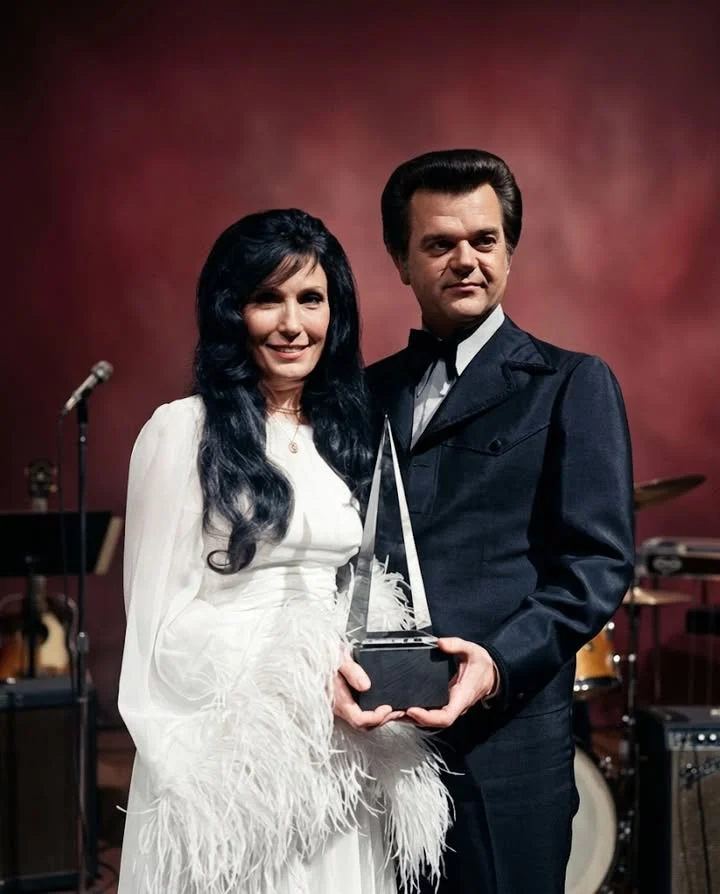
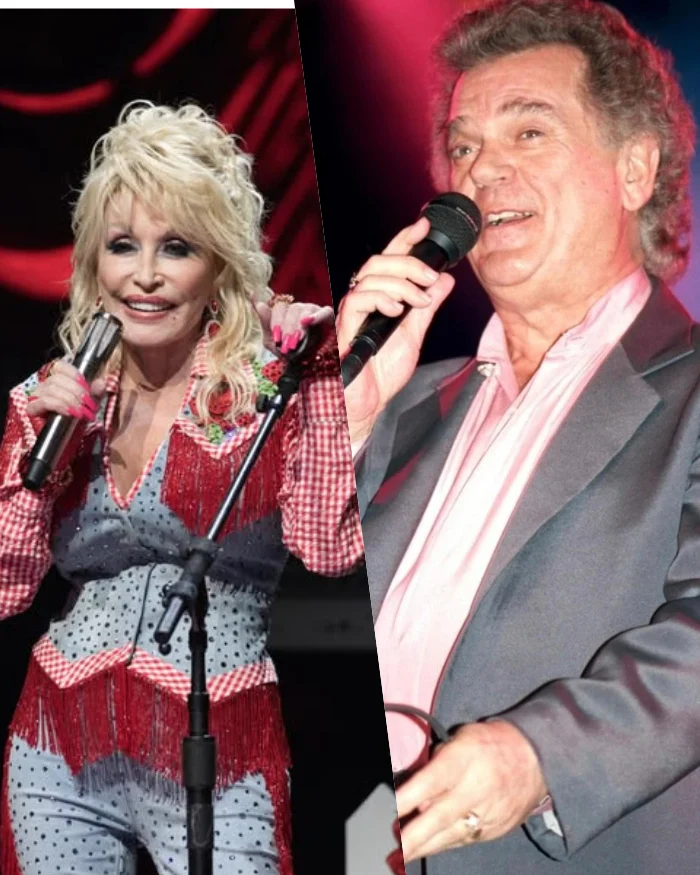
One humid Wednesday night in July 1973 turned a Myrtle Beach convention hall into a rare crossroads of country music history.
Dolly Parton and Conway Twitty shared the stage on July 11 at the Myrtle Beach Convention Center and the event captured two careers at the moment they began pulling apart.
Two Nashville titans stood on one stage for only a few hours before their paths raced apart again.
Parton was moving beyond the duet era that had made her a household name and was building the foundation for a commanding solo career.
Twitty was riding a record breaking wave of number one singles on the Billboard charts and proving his quiet vocal power could dominate country radio.
Each act was strong enough to headline a national tour on its own so seeing both names on one promotional poster felt almost impossible.
Regional promoters used their growing financial muscle to make the date happen.
They bypassed standard touring routes and negotiated separate flat fee guarantees plus a split of ticket revenue.
They bought exclusive dates directly from Nashville booking agencies and packaged Twitty’s steady star power with Parton’s rising solo momentum.
The business plan aimed for a total box office sweep during the peak of the summer tourist season.
Behind the scenes the show required two distinct road operations.
Coordinating Twitty’s backing band meant one kind of discipline.
Accommodating Parton’s expanding stage needs meant another.
The concert proved that regional markets could now bankroll massive talent that usually belonged to the biggest national tours.
When the lights went down the mechanics vanished and the crowd received a vivid contrast in style.
Conway Twitty stood mostly still at the microphone and delivered his songs with a quiet steady intensity.
His voice carried an emotional gravity that held the room captive without flashy movement.
Dolly Parton answered with bright Appalachian storytelling sparkling stage wear and high energy humor.
Her warmth made the cavernous convention center feel intimate.
They showed two ways to command attention.
Twitty used brooding magnetism.
Parton used radiant accessibility.
Because early seventies regional concerts were rarely filmed or professionally recorded for national broadcast the night disappeared almost as soon as it ended.
The setlists belonged to the people holding ticket stubs in South Carolina.
Today surviving promotional posters from that July date are treated as rare historical artifacts.
They remind collectors of a brief physical intersection between two monumental careers.
Parton and Twitty shared one humid evening delivered two different versions of country greatness and then continued their separate climbs into history.