
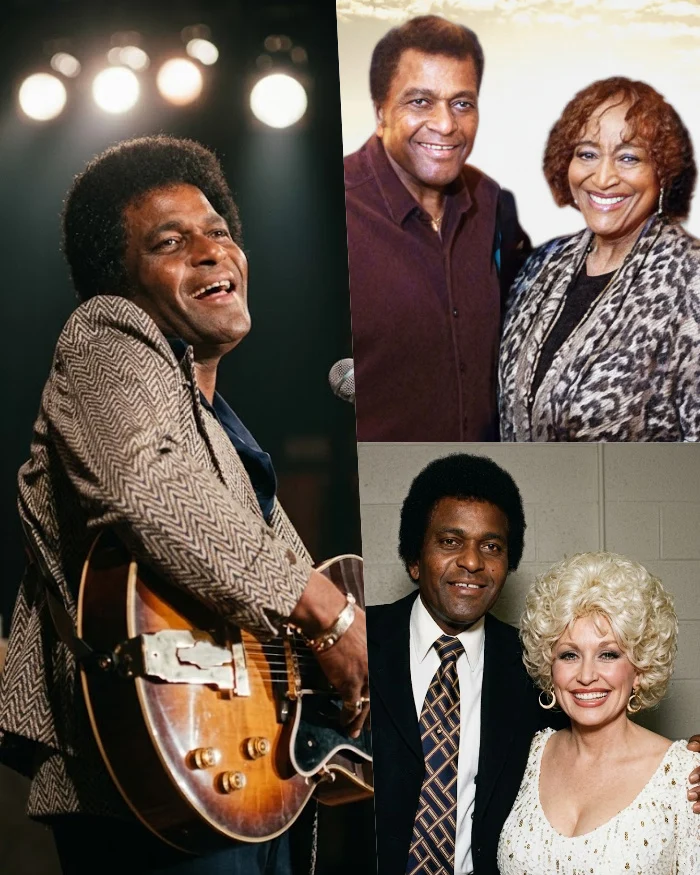
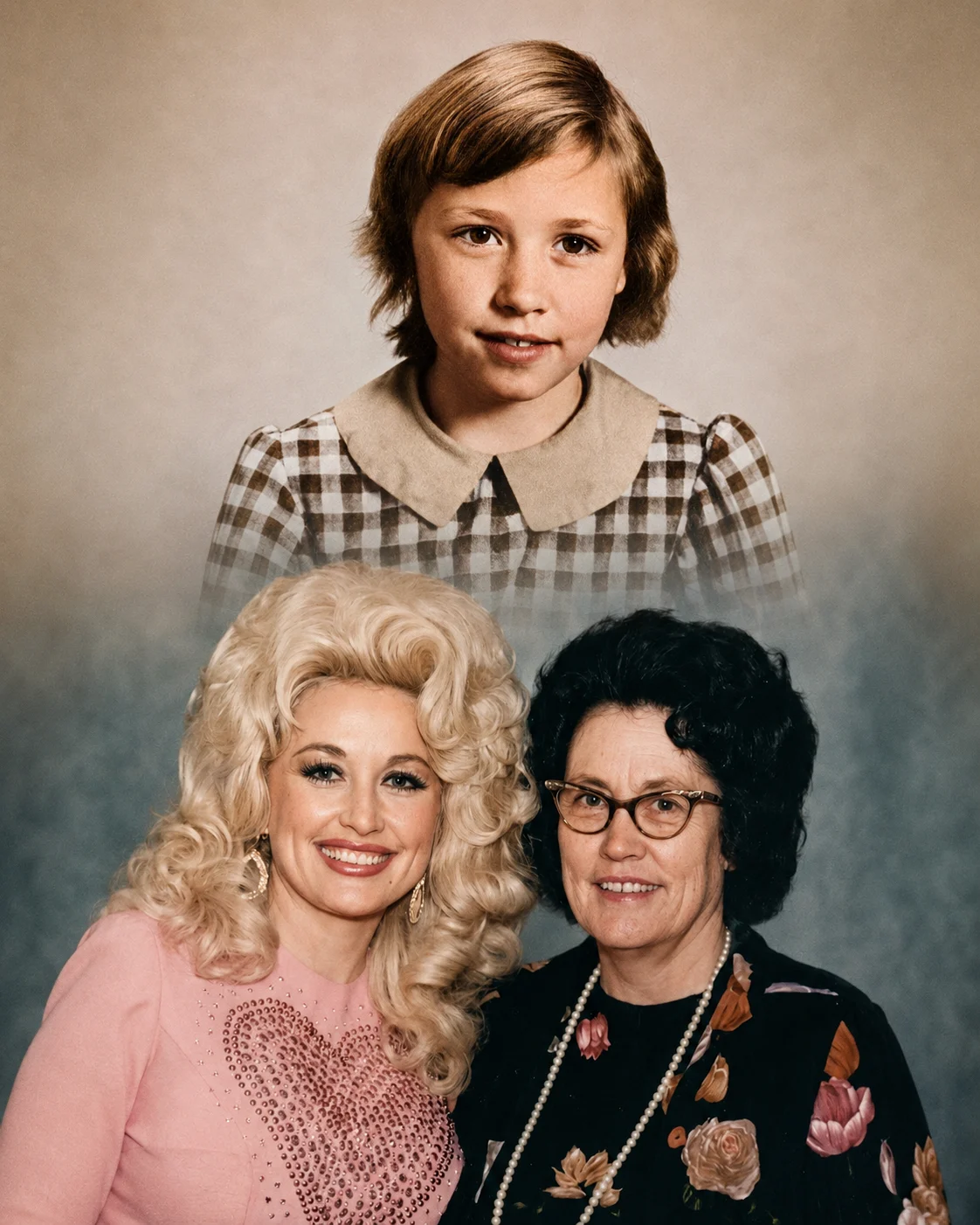
Two country music giants nearly missed a quiet gospel duet because one of them was too shy to ask for the song.
Charley Pride wanted to record God’s Coloring Book for his 2006 gospel collection Pride and Joy. Dolly Parton had written and released the song in 1977. Pride felt the track belonged on the album, but he could not bring himself to call Parton and ask for permission. His wife of more than fifty years, Rozene, understood how much the song meant to him. She called Parton for him.
Parton did not treat the request like ordinary paperwork. She refused to sign a clearance form and leave Pride to record her song alone. She gave Rozene one condition. She wanted to step into the vocal booth and sing the track as a duet.
Parton did not want a signed form. She wanted a shared mic.
The demand came from a friendship built far from the spotlight. Pride and Parton had known each other since the late 1960s. They had both faced Nashville in different ways. Pride was a Black man crossing a deeply segregated country stage, while Parton was an Appalachian woman fighting for control of her own music. They understood the loneliness of opening doors no one else had walked through.
When they recorded together in 2006, the session felt stripped of pressure. The arrangement stayed simple and direct. Producers did not chase radio trends or stadium size. They focused on the natural contrast between Pride’s grounded baritone and Parton’s bright voice.
Pride anchored the song with steady warmth. Parton lifted the chorus with her Appalachian tone. They did not compete. They listened. The acoustic instrumentation followed their lead, and the two pioneers made room for faith, memory, and respect.
The final duet showed that Parton’s request was not a business move. It was a personal statement. She wanted her voice beside Pride’s voice on a song that celebrated his enduring faith. The result became a quiet testament to a friendship that survived decades of fame, barriers, and silence.