
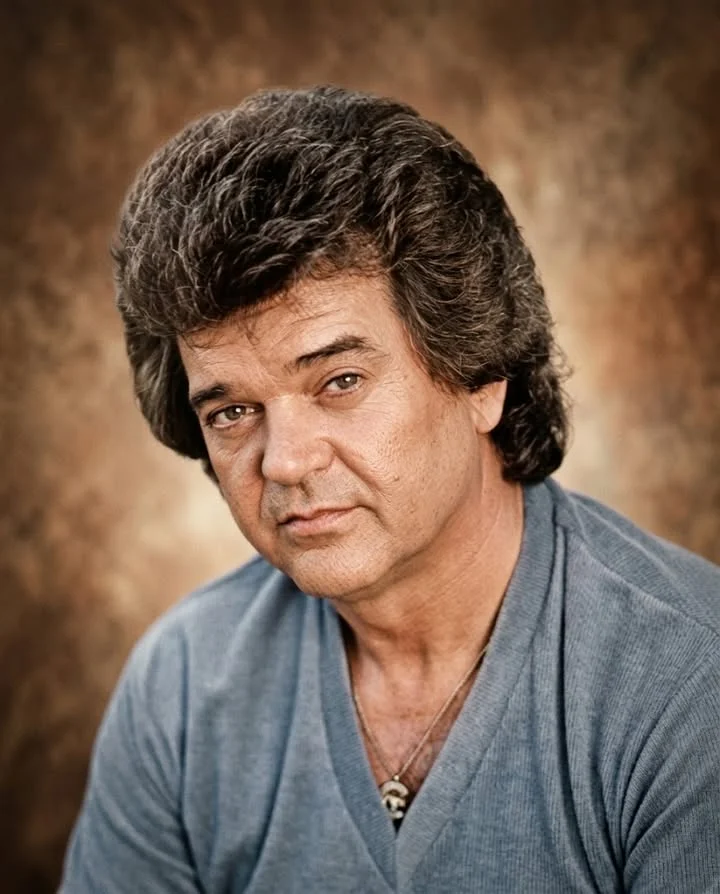
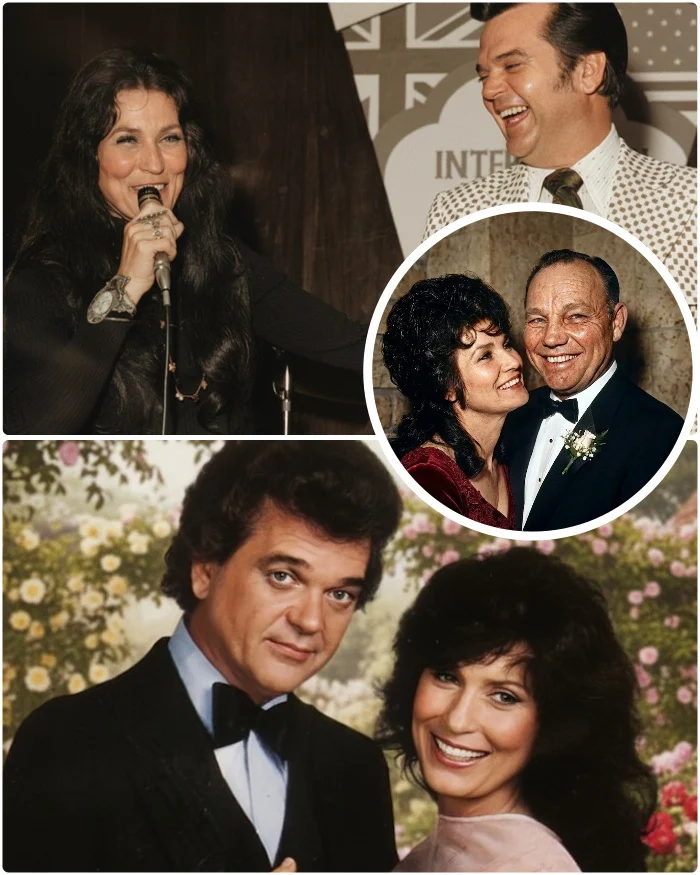
Five years after Conway Twitty died, his children fought to erase a cruel label placed on them by his estate.
The country music legend passed away suddenly in 1993. His vast estate fell to co executors who had once managed his books. They used thin internal records and recast years of a father’s support as commercial loans. They demanded tens of thousands of dollars from his children.
The case became a grueling five year courtroom war. Kathy Twitty was asked to return nearly $58,770. Conway’s elderly mother and his children were forced out of homes on the Twitty City compound. The estate later sold those properties at higher values and profited from renovations the children had paid for themselves.
In May 1998 the Tennessee Court of Appeals overturned the lower court ruling. The judges sided with the daughters. They found the financial summaries used by the executors lacked trustworthiness because of how they were compiled and because they were incomplete.
When Conway gave his children money, he acted as a protective father, not a bank.
That missing paperwork became evidence of generosity. It showed the money had been parental care, not a debt contract.
The emotional and physical toll was severe. Jimmy Twitty was too exhausted to appeal a smaller $3,279 judgment. The appellate ruling reduced Kathy’s demanded repayment to just over $1,500. It removed the debtor label from Conway’s children and restored his true image as a fiercely generous parent.
The children won a deeply personal victory, yet the remaining Conway Twitty empire still needed division. That empire included music publishing, royalties, and name and likeness rights.
Conway’s widow Dee and his four children could not agree on how to share these intangible assets. Dee advocated for an auction and equal split. The court chose an unusual path.
The family had to bid against each other for control of their own father’s musical legacy and name.
A private closed door auction took place between Dee and Conway’s four children. Pooling their resources, the children outbid the widow and won final control of the intellectual property.
The physical empire had already been dismantled. Twitty City was sold to a television network. The guitars were auctioned to strangers. The family homes were emptied.
Through a relentless legal war and a final bidding battle, the children protected the two things that mattered most. They protected his character as a father and brought his music back home.