
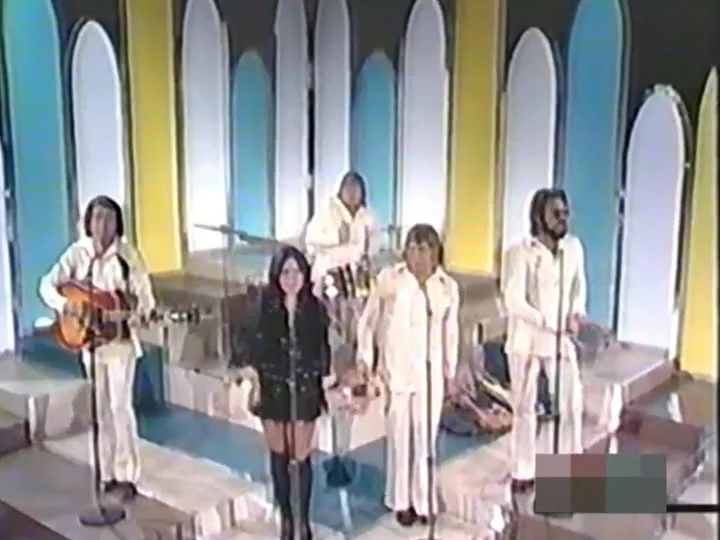
There are records that feel like a room opening up. “Heed the Call” is one of them. It sounds like late 1970, when a good chorus could take the place of a town meeting. A college class full of students born decades after the song first appeared once snapped to attention the moment the refrain arrived. They knew nothing about the album or the era. They still recognized the stance. Be present. Be useful. Do not turn away.
The song belongs to Kenny Rogers & The First Edition and came out on their 1970 Reprise album Tell It All Brother. That LP hit stores in November of that year, with Rogers producing beside Jimmy Bowen and Larry Cansler arranging strings in selected passages. Kin Vassy, sometimes credited as Charles K. Vassy, wrote the song. It also slid into the pop Top 40, a sign that it could travel far beyond a single format or region.
During that period, the First Edition was reshaping itself with impressive speed. They had moved from the psychedelic flash of “Just Dropped In” through story songs like “Ruby, Don’t Take Your Love to Town” and “Something’s Burning” into a new country rock steadiness. “Heed the Call” fits the arc neatly. It is sincere but never rigid, grounded in its era yet aimed at something broader.
The writing is where the song wins much of its power. Vassy found language that is banner-clear in its meaning and folk-hymn gentle in its rhythm. The hook does not shout at the listener. It leans closer and asks for company. That is a thin line to walk, and the group manages it without ever sounding forced.
The band also knows how to use its instruments. The drums push the song forward without trampling the voices. The electric bass plants each downbeat like a marker, rounded rather than hard. Acoustic guitars supply a steady grain, and tambourine flickers at the edges. If a mixer were shaping the mood, the drama fader would rest at medium. Nothing is timid and nothing is blown out.
Listen to the human center of the mix and you will find a harmony showcase. Rogers leads with a voice that blends sand and warmth, and the First Edition wraps around him in bright stacks of sound. The result feels more like a neighborhood choir than a frontman with backup. The voices meet at the middle of the song and make community feel audible.
Context adds another layer. Tell It All Brother sits between other First Edition releases from 1970 and 1971, a burst of work that showed how quickly the group could change. The album pairs the more personal confession of its title track with the wider invitation of this single. It is as if telling the truth comes first and answering the call comes second. The LP never turns into a concept album, but it has a quiet conceptual thread.
The recording itself has a tactile quality. The snare snaps like a page turning. The bass holds just long enough to give each measure a soft edge. Guitars keep their chords friendly and direct. Keyboards, when they arrive, support rather than shine. The reverb is careful, leaving room for the voices to breathe while still feeling intimate. The listener is placed a few rows back from the singers, close enough to feel a breath and far enough to sense the room.
Bowen brought a clear commercial ear, and Rogers understood how to shape a story. Together they made the parts serve the whole. The song’s space is what makes it feel inviting. You are not watching from a distance. You are in the gathering.
The lyrics carry urgency without dressing it in fear. Something is at stake, but the song stays calm and convincing. The verses describe the weight of the moment and the chorus opens a path forward. That makes it a summons instead of a lecture. In 1970, with alarms coming from every direction, that tone must have felt like a gift.
Try a listening experiment with good headphones. Notice the consonants in the group vocal. The “h” in “heed” lets out a small breath before the vowel opens, and the “l” in “call” lasts a beat longer than regular speech. Those tiny details give language a rhythmic pulse. That is where shared singing begins.
The group also shows unusual restraint. No solo breaks the spell. No instrumental run steals the focus from the melody. When a lead line appears, it exists to underline the harmonies. Because nothing pulls attention away, the song feels shorter than it is.
No one outside the session can verify exact studio details, but the credited team leaves clear fingerprints. Rogers and Bowen wanted the vocals understood and the radio dial happy. Cansler’s strings, where they appear, lift the track instead of weighing it down. The Top 40 run suggests that programmers heard an anthem that could fit between AM favorites without sounding preachy. That is a small marvel for a difficult year.
The song keeps proving itself in ordinary rooms. At a neighborhood fundraiser, it played behind a slideshow and strangers were singing harmony by the second chorus. A late night DJ saves it for snowstorm shifts because it gives the news a steady pulse. A classroom full of young listeners came alive as soon as the refrain landed. Some songs are made for gathering, and this one still does the job.
On a small living room speaker, the record sounds warm and balanced. Through a more detailed sound system, the harmonies and percussion step forward, especially in the upper mids. The analog age of the recording adds a human texture instead of a vintage haze. That is one reason it stays useful in playlists about community and hope.
“Heed the Call” is not a sermon from a pulpit. It is a hand on the shoulder from the front porch, a reminder that courage can become a neighborhood habit.
The porch image fits the song’s shape. The opening bars act like a front step with the light on. The verses feel like someone leaning in to speak, and the chorus keeps widening the circle. Each section is short enough to be a breath and long enough to include everyone. The single mix fades in a way that suggests the singing will continue after you leave.
Later compilations have tricked some listeners into thinking this is a solo Rogers record from the mid to late 1970s. It is not. The track belongs to the First Edition era and carries a group identity even as it hints at the poised presence Rogers would bring to his later work. Digital platforms often list it under “Kenny Rogers & The First Edition,” with Vassy’s name beside the song. That credit matters. This is the sound of a band with a leader, not a star with a faceless choir.
In my mind, “Heed the Call” works like a secular carol for the neighborhood. It does not mention a holiday or a season, but it extends the same invitation each time. Come together. Raise your voice. Remember what you owe the people beside you. In a musical world built on personalized playlists, the song suggests a larger table. The craftsmanship keeps that table from wobbling.
The instrumental palette stays simple. A steady strummed guitar anchors the harmony. Keyboard pads or occasional piano notes hold the seams. Drums and bass move with no wasted motion. No fill exists merely for adrenaline. If strings show up in your copy, they behave politely and widen the view. That kind of discipline is rare.
Anyone expecting the gambler’s wink or a dramatic story twist will find something different here. The song does not depend on a character or a reveal. It depends on the humble act of showing up. The literal harmonies become the message. When voices line up in thirds and fifths, they prove that cooperation sounds good.
“Heed the Call” has aged because it stays just abstract enough to enter new moments. Some songs are so tied to their time that they shrink with the calendar. This one keeps its shape and its warmth. It can sit on a modern playlist about solidarity or between late sixties and early seventies classics without sounding out of place. It may not be the loudest record of 1970. It might be one of the most useful.
Musicians will also appreciate how open the song is. The chords stay simple, the range feels comfortable, and the structure leaves room for improvisation. A solo singer can carry it alone, and a large group can make it bloom. It was designed to be passed around.
At the end of the day, a durable song can absorb new chapters without losing its center. “Heed the Call” does that. It holds its ground while inviting the present to walk in. When the chorus returns, the invitation still feels alive. Do the next useful thing, shoulder to shoulder with whoever has shown up. That is not nostalgia. It is quiet instruction, and it remains worth following.