
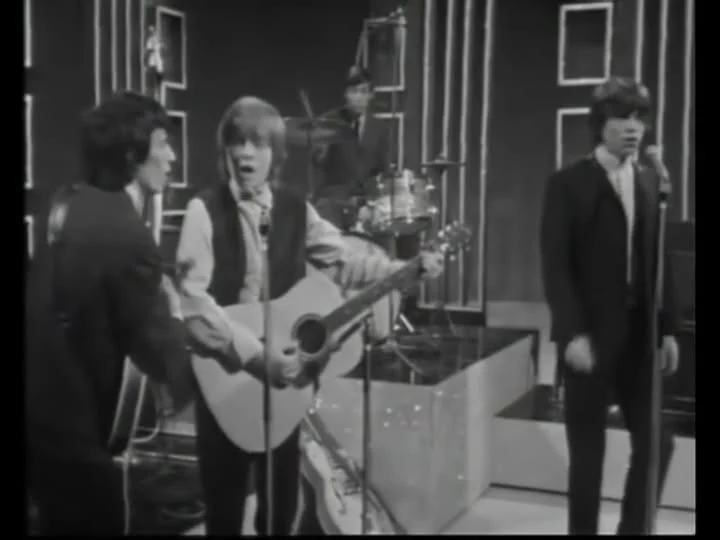
In the furious whirlwind of 1964, when the Rolling Stones personified snarling defiance and unkempt rebellion, a single track emerges as a startling anomaly. It is not a roar but a whisper, a moment of soulful surrender buried beneath the band’s carefully crafted persona of aggression and grit. That song is You Better Move On, a cover of Arthur Alexander’s 1962 soul classic that reveals a side of the Stones often overlooked: their capacity for quiet, heartbreaking vulnerability.
Released in the United Kingdom on The Rolling Stones EP in January 1964 and later in America on December’s Children (And Everybody’s), this recording stands as a crucial pause in the band’s sprint toward global domination. It is a testament to their deep respect for American rhythm and blues, a demonstration that beneath the unwashed hair and sneering attitude lay a profound understanding of emotional nuance. While their interpretations of Chuck Berry exploded like roadhouse brawls, this track feels like a late night vigil, intimate and laden with unspoken sorrow.
The Anatomy of Restraint
What immediately captivates is the control. The Rolling Stones, guided by producer Andrew Loog Oldham, approached this song with a delicacy that defies their later reputation. Charlie Watts’ drumming is hushed and deferential, likely employing brushes or mallets to create a gentle, swinging momentum. Bill Wyman’s bassline provides a subtle yet foundational anchor, keeping the tempo mournfully steady. The acoustic guitar work, likely Keith Richards, forms the sonic heart with a simple fingerpicked arpeggio pattern that runs continuously, a lonely cyclical figure that instantly draws the listener in. For anyone studying guitar lessons in blues and R&B, this track is a masterclass in how acoustic simplicity carries heavy emotional weight.
Mick Jagger’s vocal performance is one of his most understated from this period. He eschews the blues shout or rock sneer, instead delivering Alexander’s lyrics with a smooth, almost conversational intimacy. His voice sits high and slightly dry in the mix, a direct whisper of warning to a rival, or perhaps a plea to the woman. The lack of excessive reverb gives the vocal a vulnerability that would grow rarer as his stage persona expanded.
Brian Jones’s contribution is textural and vital. According to early mono mixes heard by UK listeners, his acoustic slide guitar adds a mournful, shimmering quality that evokes the deep South far more than West London. His playing creates a high, sustained, weeping tone—a masterclass in using the instrument for pure emotional color rather than rhythmic drive. This sonic lament gives the song a tragic depth, elevating it from a mere cover to a definitive statement about the band’s fealty to the blues soul tradition.
In a career built on glorious noise, this is the sound of the Rolling Stones finding strength not in explosion, but in eloquent, blues stained vulnerability.
Southern Soul and London Grit
Arthur Alexander’s original You Better Move On was a seminal recording that helped launch the Muscle Shoals sound. It is a plaintive, country tinged soul song about a man warning his rival to step away from the woman he loves—a masterpiece of passive aggressive resignation. When the Stones tackled this piece of music, they were establishing their credentials as serious interpreters of American black music. By choosing Alexander, an artist covered by both the Beatles (Anna Go to Him) and Elvis Presley, they planted their flag firmly in the soil of authentic Southern soul, setting themselves apart from the purely pop currents of the British Invasion.
The track arrived early in their career, before global self penned hits like Satisfaction cemented their image as rock gods. It is an artifact from a time when they were still translating, absorbing, and processing their influences, still honing the particular texture of their sound. The room feel of early Regent Sound Studios is palpable—you can almost taste the stale air where the recording was cut. The dynamic is subdued, lending an unsettling intimacy to the recording that remains striking even today.
Legacy of Restraint
You Better Move On serves as a remarkable contrast to the band’s public image in 1964. It shows that beneath the rock veneer was a deep reservoir of musical knowledge and taste. It also highlights the early role of Andrew Loog Oldham in shaping their identity. He understood the need for songs that displayed depth and vulnerability alongside raucous R&B. The decision to feature this delicate soul ballad on their first UK EP was a gamble that paid off, proving they could handle complex emotional territory.
This kind of dynamic range is why listeners who use studio headphones to critically evaluate early rock recordings consistently cite the Stones’ 1964 output as possessing surprising depth and clarity, particularly in the acoustic details and drum mic placement. That early soulful restraint paved the way for the blues ballast of tracks like As Tears Go By and the world weary country soul of Beggars Banquet years later. It is the sound of a band learning to whisper, knowing that sometimes the quietest moment is the most menacing.
Further Listening Tracks of Soulful Warning and Acoustic Blues
Arthur Alexander’s original version from 1962 remains the definitive cornerstone of the Muscle Shoals sound. The Beatles’ cover of Anna Go to Him demonstrates shared R&B roots. The Animals’ House of the Rising Sun shares the same atmosphere of solemn acoustic based melancholy. Otis Redding’s That’s How Strong My Love Is features a similar structure of subdued powerful emotional declaration. The Velvet Underground’s Pale Blue Eyes captures the same tender acoustic led resignation. And Elmore James’ Dust My Broom provides the foundational blues blueprint for Brian Jones’s slide guitar work, showing the direct lineage of his playing.