
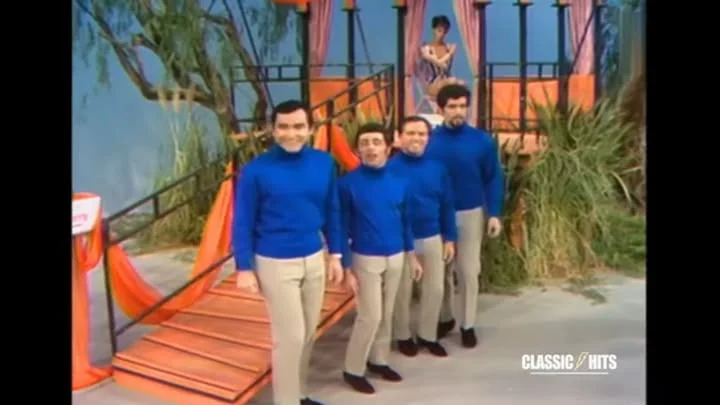
When Frankie Valli hit that first falsetto note, a generation stopped and listened. Released in 1962, Sherry wasn’t just a song—it was a sonic declaration that pop music would never be the same. The Four Seasons, with their impossibly tight harmonies and doo-wop roots, created a track that still feels as fresh and urgent as the day it topped the charts. But what makes this three-minute masterpiece endure? Let’s step inside the recording and find out.
The story of Sherry is the story of a band finding its voice. Before the single, The Four Seasons were a working-class group from New Jersey, blending doo-wop, rock, and pop into something entirely their own. Their debut album Sherry & 11 Others had hinted at greatness, but it was the follow-up Big Girls Don’t Cry—released in the fall of 1962—that sealed their legacy. With Sherry as the lead single, the album shot to number one on the Billboard Hot 100, holding the spot for five consecutive weeks. The song became an anthem of longing and youthful desire, a cultural touchstone that captured the spirit of early sixties America.
Sherry, Sherry baby became a rallying cry for a generation caught between the innocence of the fifties and the upheaval of the sixties.
Musically, Sherry is a masterclass in arrangement. The track opens with a signature guitar riff, simple yet electrifying, that hooks the listener instantly. The rhythm section—bass and drums—provides a steady, driving pulse, while the piano adds subtle harmonic depth. But the real magic lies in the vocals. Frankie Valli’s soaring falsetto weaves through harmonies delivered by the other members, creating a call-and-response dynamic that makes the chorus unforgettable. The bridge, where Valli’s voice climbs with increasing urgency, showcases the emotional intensity that would become his trademark.
The instrumentation tells its own story. The lead guitar punches through with rhythmic flourishes, the bassline remains unrelenting, and the backing vocals fill every gap with rich texture. It’s a sound that manages to be both polished and raw, a perfect marriage of pop craft and doo-wop soul. Every element serves the song’s central theme: the frustration of unrequited love, expressed not through complex lyrics but through sheer vocal power and melodic repetition.
Upon release, Sherry did more than sell records. It established Frankie Valli as one of pop music’s greatest vocalists and set the template for The Four Seasons’ future hits. Critics praised its catchy melody and innovative blend of genres, while fans couldn’t get enough of its infectious energy. It wasn’t just a commercial success—it was a critical one, and it paved the way for classics like Big Girls Don’t Cry and Walk Like a Man.
For those hungry for more sounds of the era, Sherry opens a door to a golden age of pop. Consider these companion tracks:
- The Four Seasons – “Big Girls Don’t Cry” (1962): A sibling hit from the same album, equally catchy and harmony-driven.
- The Crystals – “Then He Kissed Me” (1963): Phil Spector’s wall of sound meets irresistible melody and lush orchestration.
- The Beach Boys – “Surfin’ USA” (1963): Surf rock meets the harmonic brilliance that defined early sixties pop.
- The Shirelles – “Will You Love Me Tomorrow” (1960): A quintessential girl group track with stunning vocal interplay.
Today, Sherry stands as more than a nostalgic artifact. It’s a testament to the power of simplicity executed with precision. The Four Seasons didn’t just make a hit; they made a piece of music that continues to resonate because it speaks to a universal emotion—the ache of wanting someone who doesn’t want you back—wrapped in a melody that refuses to fade. Whether you’re discovering it for the first time or hearing it for the hundredth, Sherry captures the spirit of an era and the timeless craft of a band at the peak of their powers.