
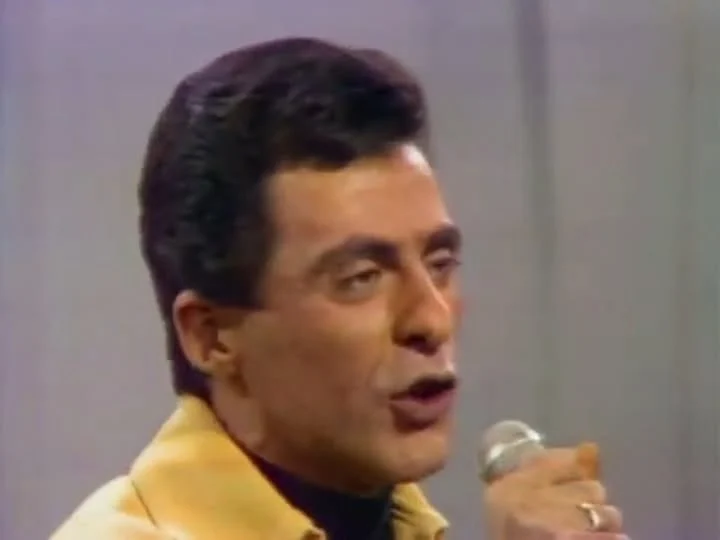
Let’s hang on to what we’ve got, don’t let go, girl, we’ve got a lot
That desperate cry, delivered in Frankie Valli’s unmistakable falsetto, still sends shivers down the spine more than half a century later. Let’s Hang On isn’t just a song from 1965. It is a raw, urgent plea for love that refuses to fade, wrapped in a wall of harmonies and brass that sounds as fresh today as it did when it first crackled out of transistor radios across America. This track captures the very essence of the 1960s pop explosion — the optimism, the heartache, the sheer energy of a generation discovering rock and roll.
To understand why this piece remains essential, you have to step inside its sound. The guitar riff that opens the song is immediate, almost aggressive, setting a pace that never lets up. Behind it, a bassline that grooves with purpose and a drum pattern that feels like a heartbeat under pressure. Tambourines and handclaps layer in like old friends joining the chorus. And then there’s the piano, subtle but crucial, weaving through the verses like a thread holding everything together. This isn’t just pop music. This is a sonic architecture built for maximum emotional impact.
The Four Seasons were already giants by 1965. They had given the world Sherry, Big Girls Don’t Cry, and Walk Like a Man. But with Let’s Hang On, they proved they could still evolve. The song first appeared as a single and later became part of the album Enter The Hit Factory, a collection that showcased the group’s ability to blend doo-wop roots with rock urgency and pop polish. That album wasn’t just a greatest hits package. It was a statement that the band could swing with the changing times while keeping their signature harmonies intact.
What really lifts the track into legend is the vocal performance. Frankie Valli’s lead is a masterclass in controlled emotion. He starts with a plea, builds to a roar, and lands on a note of fragile hope. The backing vocals from the other members lock in tight, creating a wall of sound that feels both intimate and massive. And then the brass section arrives, punching through the chorus like a burst of sunlight, adding a dramatic flair that turns the song into a miniature epic. This is the kind of arrangement that makes you lean in, tap your foot, and then suddenly find yourself singing along at full volume.
Lyrically, the song is universal. It’s about refusing to let a relationship slip away, about fighting for something precious. That theme of perseverance resonates across generations. Whether you’re a teenager in the 1960s or a parent in the 2020s, you know the feeling of wanting to hold on tight when everything seems to be falling apart. The words are simple, direct, and honest. They don’t need fancy metaphors. They just need that voice and that beat.
If you want to build a playlist around this energy, start with Frankie Valli’s own Can’t Take My Eyes Off You — another powerhouse of orchestrated emotion. Then add I Saw Her Standing There by The Beatles for that same driving rock feel. Build Me Up Buttercup by The Foundations brings the joyful bounce, while Sugar, Sugar by The Archies delivers pure bubblegum euphoria. And for a perfect harmony match, Happy Together by The Turtles offers that sweet, nostalgic warmth. These songs share the same DNA — catchy hooks, rich vocals, and an irresistible pull toward the dance floor.
What makes Let’s Hang On truly timeless is how it balances power and vulnerability. The instrumentation is punchy, almost aggressive at times, but the message is tender. It’s a song that understands that love is worth fighting for, even when the odds feel stacked against you. That duality — strength wrapped in softness — is what lifts it beyond mere nostalgia and into the realm of classic art.
So whether you’re revisiting this track for the hundredth time or hearing it for the first, let yourself be pulled into its world. Let the guitar riff grab you, let the harmonies wrap around you, and let Frankie Valli’s voice remind you that some things are worth holding on to. This is more than a piece of music history. It is a living, breathing reminder of why we fall in love with songs in the first place.