

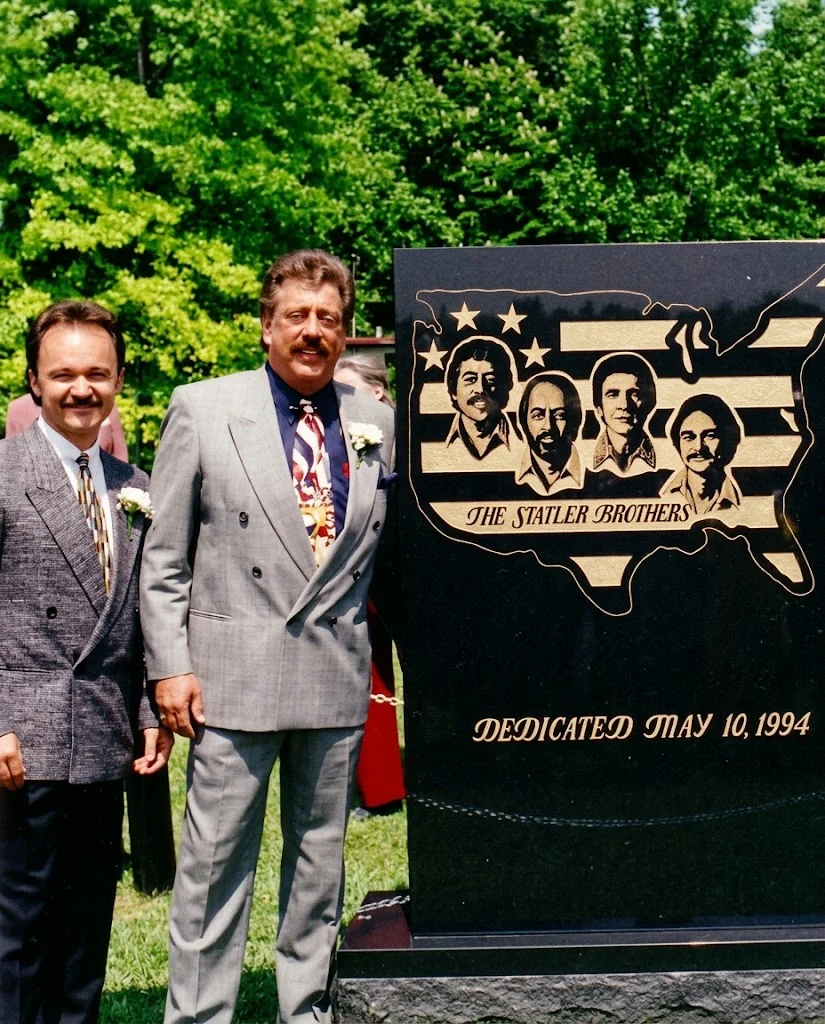
The year is 1972, and a song is about to change everything. “The Class of ’57” by The Statler Brothers didn’t just climb the charts—it struck a chord so deep it earned them a Grammy. But this wasn’t a celebration of the American Dream; it was a raw, honest portrait of what happened when that dream quietly faded.
Written by brothers Don and Harold Reid, the song broke away from the typical country music narratives of outlaws and drifters. Instead, it turned its lens on the ordinary lives of post-war middle-class America. The lyrics painted a picture of a wife working a supermarket register and a husband who traded his grand ambitions for a steady factory job. Through their signature four-part harmony, The Statler Brothers captured a cultural shift that resonated with millions.
“The Class of ’57” was a mirror held up to an entire generation, proving that the most enduring stories are often the ones happening quietly right down the street.
The track’s emotional weight came not from tragedy, but from the gentle dignity it gave to unfulfilled dreams and broken marriages. Listening felt like sitting in a dimly lit theater, watching the slow passage of time happen to old friends. The song’s quiet reassurance confirmed that a compromised life still possessed its own kind of grace.
This breakthrough earned The Statler Brothers the 1973 Grammy Award for Best Country Vocal Performance by a Duo or Group, solidifying their place as more than just a backing act. They became musical historians, setting a new standard for multi-narrative storytelling that generations of country writers would later study and try to replicate. “The Class of ’57” wasn’t just a hit record; it was a profound voice for the silent endurance of everyday people.