
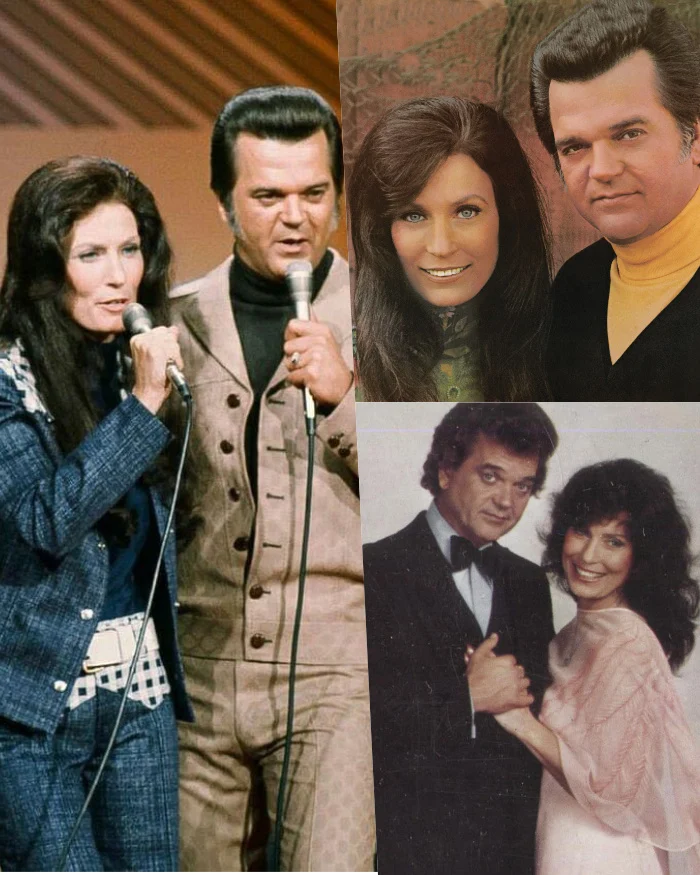
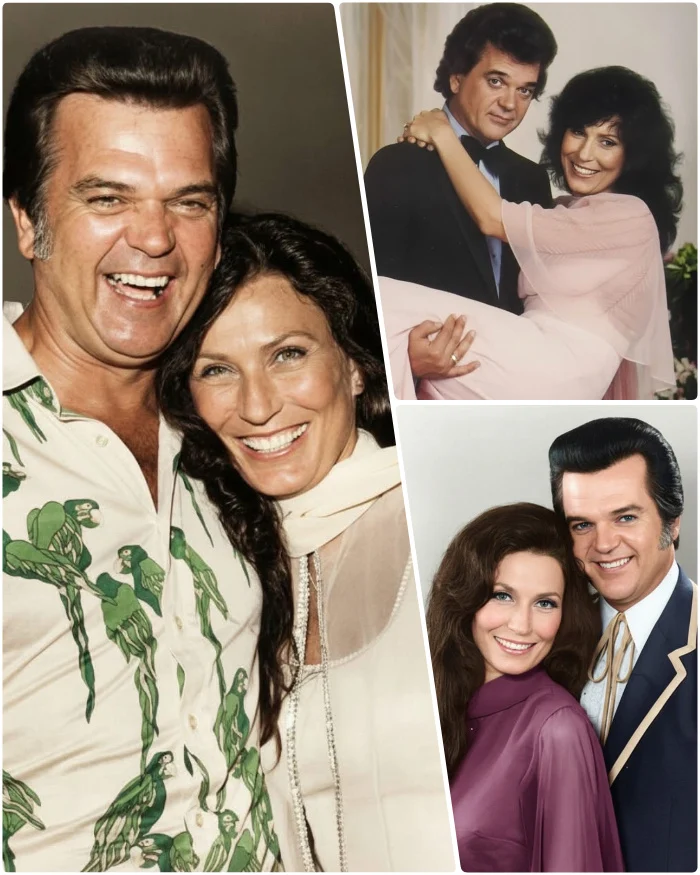
The emergency room doors at Cox Medical Center South swung open on a warm June night in 1993. A stretcher rushed through, carrying a man who had just given his all on stage. But the woman who looked up from her husband’s bedside could not believe her eyes. It was Conway Twitty, her longtime duet partner, fighting for his life.
Just hours earlier, Twitty had stepped onto the stage at the Jim Stafford Theatre in Branson, Missouri. It was a Friday evening in early June, and the 59-year-old country legend was a consummate professional. Behind the bright lights, a quiet medical crisis was already unfolding. Throughout the performance, he was reportedly experiencing severe physical pain. Instead of stopping the show, he pushed through the setlist, offering no outward sign of distress. He delivered the familiar melodies with the same steady warmth he had always brought to the microphone.
After taking his final bow, he boarded his tour bus for the long overnight drive home to Hendersonville, Tennessee. Before the bus could clear the Branson city limits, Twitty collapsed. The driver immediately abandoned the route and rushed him to Cox Medical Center South in nearby Springfield. It was a frantic race against a ruptured abdominal aortic aneurysm, a catastrophic medical event that left his family and crew with no time to prepare.
In that sterile, brightly lit corridor, all the accolades faded away. He was simply a husband and a father fighting for his life. But fate had an extraordinary twist in store. The most important musical partner of his life happened to be inside that exact same building. Loretta Lynn had not traveled to Missouri for a performance or a public appearance. She was there keeping a quiet, anxious vigil for her husband, Mooney ‘Doo’ Lynn, who was recovering from recent heart surgery in a hospital room upstairs.
When the emergency doors parted, Lynn reportedly looked up to see her longtime friend and collaborator being rushed down the hall on a stretcher. For two decades, Twitty and Lynn had shared the biggest stages in country music. They had collected Vocal Duo of the Year awards side by side, traveled the same grueling highways, and recorded a catalog of music that became a cornerstone of the industry.
Now, the roaring applause of the arenas was replaced by the hushed, heavy tension of a midnight waiting room. Upon realizing what was happening, Lynn immediately stepped away from her husband’s bedside to find Twitty’s wife, Dee Henry. There were no microphones, no backing bands, and no public farewells. There was only Lynn holding Dee through the darkest hours of the night. She provided a deeply familiar presence, standing as a pillar of support for a family facing an unimaginable and sudden tragedy.
He gave his audience everything he had until the very last curtain closed.
Twitty passed away in the early hours of June 5, 1993. He drew his final breath with his wife by his side, while the woman who had shared his greatest musical triumphs waited just down the hall. His departure sent a shockwave through the Nashville establishment, abruptly ending the career of a man who had never stopped working, never stopped touring, and never stopped singing.
But his final night was a testament to the way he lived both on and off the stage. When the arena lights finally faded, his exit was marked by the quiet, enduring loyalty of the people who stood by him when the music stopped.